


Kaizen Health and Wellness
Spotlight Series
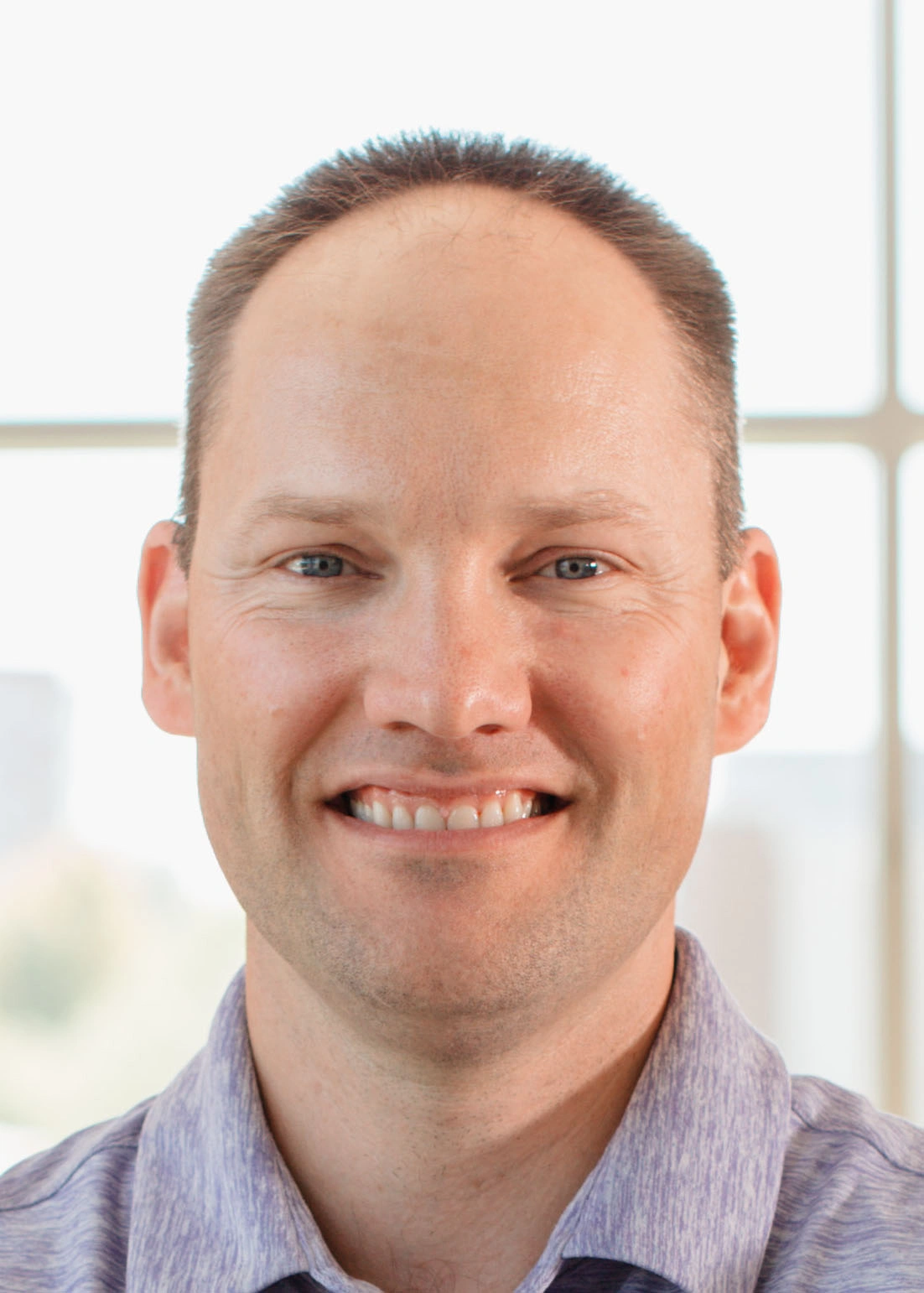
Spotlight Series Topic: The Truth About Healthcare Costs in Orthopedics
Guest Name: Dr. Todd Peterson
Guest Credentials: DO
Discussion Details: In this in-depth interview, Dr. Todd Peterson, a Des Moines-based orthopedic surgeon, discusses the complexities of healthcare costs, the realities of orthopedic surgery, and the latest trends and misconceptions in sports medicine. Gain insights into cost control strategies, the impact of new technologies, and how patients can navigate their treatment options effectively.
Benefit of Watching
- Healthcare cost disparities between hospitals and surgeons
- Strategies for reducing surgical costs and overhead
- Misconceptions about orthopedic surgery and sports medicine
- Emerging trends in outpatient surgery and technology
- Effectiveness and hype around regenerative medicine and PRP
Address of guest’s business:
12499 University Ave
Ste 210, Clive, IA 50325
Dr. Todd Peterson: Yeah, thanks for having me, Brian. This is fun. I I love talking about all this stuff.
Dr. Bryan M. Ladd: Yeah, absolutely. I’m excited to to dive in here and learn a little bit more uh about you and then uh we’ll get into some fun topics, I’m sure.
Dr. Todd Peterson: Perfect. Well, hopefully I don’t disappoint. I’m not the typical orthopedic surgeon. I come from zero doctors in my family. My family’s a bunch of painting contractors here in the Des Moines area and I did that to help put myself through medical school. So maybe I come with like a little bit of a different perspective. Yeah, I’m a big cheapskate and so a lot of this like medical cost as a patient I couldn’t believe. That’s kind of one of my passions. So anyway, that’s that’s my general overall thought process towards orthopedic surgery.
Dr. Bryan M. Ladd: Yeah. Well, I like that background because it does give you kind of some insight into what the everyday person goes through and um yeah, several discussions I’ve had um from recent podcasts have been on price and transparency has been a big part of that as well. So, yeah, let’s let’s hop into it. So, health care costs as we know are out of control yet uh some surgeries can be done dramatically cheaper outside of the hospital system. Why is that?
Dr. Todd Peterson: So that’s honestly this is one of my passions and what I f I mean this is this is all my opinion but you know the American Medical Association and the American Hospital Association have a pretty big presence politically and the you know the government has made certain laws if you will bills in Congress that have allowed hospitals to charge more and they justify it and by saying and I’m not pointing fingers but they justify it by saying hey well we have to stay open 24/7 seven. We have emergency services. We got to keep people on call. So, our costs are more expensive. So, we should be justified to charge more. However, you know, I if me as an individual surgeon goes to an insurance company said, “Hey, I I’ll do this exact same surgery, the exact same everything that the hospital does, and I’ll do it.” And they’re like, “Well, sorry. You don’t you’re not a big enough player for us, so we’re not going to give you any special contract.” But I said, “Well, I can do it for a third of the cost because I don’t have all the overhead the hospitals do.” Yeah. And all that. So, I mean, that’s one of the biggest things. And so, you take the insurance companies would be loving this because if I can do a uh, you know, let’s just say any sort of joint replacement or an ACL or something for literally a third to a fourth of the cost, that’s they they would be jumping all over that. but they’re not because the insurance companies and the hospitals, you know, they they like to keep their costs where they are because that’s how they’re they’re making money. So, right, we we’ve had to we’ve gone through a lot. I mean, we’ve even been through obtaining our surgery center and our certificate of need to serve patients just as physician owners, not at a hospital system coming in and being half owner of the of the place. We were, you know, we the lawyers for the hospitals came after us and they tried to keep us from getting that. It was really interesting. And this was about seven, eight years ago that we did that. So, yeah. But no, I’m very proud that we’ve established this and and it’s it’s a way to give cheaper costs because we are we have less overhead expenses and the insurance companies, just to be honest, won’t pay us as much. So, it’s to the patients advantage.
Dr. Bryan M. Ladd: Yeah. Yeah. It’s so interesting even from the physical therapy side, you know, the hospital system physical therapies doing the exact same thing.
Dr. Todd Peterson: Yep.
Dr. Bryan M. Ladd: We’re coding the same thing, but they’re getting paid more. And to your point, you know what, from a preventative side, like we could save insurance companies a ton of money by preventing these big injuries or even in some cases the need for surgery, but they don’t want to pay for that preventative side. So,
Dr. Todd Peterson: or they want to pay for it when it’s not needed when they make me do like, you know, six weeks of physical therapy, you know, no offense, but if they make my patients do physical therapy before they even get imaging.
Dr. Bryan M. Ladd: Yeah. Yeah. Six weeks of PT before that MRI that we already know is necessary.
Dr. Todd Peterson: Exactly. Exactly. So, I don’t know. I I don’t understand that and that’s been a big frustration for me. So, that this whole impetus made us go out and just kind of do do our own thing. And I will brag a little bit. We are the only wholly physician surgery center in the entire metro area. Every other practice is is half or slightly more than half owned by a hospital system. So, to me, that’s gives us an advantage because we can lower costs. We we don’t charge those elevated prices that hospital systems do.
Dr. Bryan M. Ladd: Sure. Yeah. That’s really interesting. I didn’t realize that. Along those lines, what’s something most people completely misunderstand about orthopedic surgery and sports medicine
Dr. Todd Peterson: is that I think one of the things I always see is like if you go and see an orthopedic surgeon, that means you’re getting surgery. Absolutely not. I mean, I I that’s one of my tools that I use to help people. But if you want to come and just get a good diagnosis, I mean, you probably know this too. you just get sent someone by uh you know a primary care doctor or some other physician that says hey they have shoulder pain and you’re like okay well you kind of do your evaluation and you’re like well it could be this or it could be this and and it may help your your treatments are great but if they have some sort of a a tear or something of whatever it may be or arthritis you know doing PT may not do a whole lot and they need a good diagnosis so I see so many people that that have come to me you know months and months after they’ve gone through all these treatments and maybe they’re scared to see the surgeon or maybe they, you know, for whatever insurance reason they had to do PT first or whatever as we were saying, but yeah, I just see so many people that I come and like, hey, if you would have seen me right away, we could have been done with this already, you know, and we’re kind of wasting patients time, but that that may be the, you know, you kind of have to advocate for yourself as whether it’s with your own physician or your uh, you know, your therapist, you you advocate for the patients and a lot of times you’ll say, “Hey, your your shoulder is something hurting you a lot or your your knee or whatever it may be, you need to see a surgeon on this just to see what it is. Um and because I mean we both don’t want to be wasting our time for the patients. We want them to get better. And so that that may be the one thing that people don’t understand is you you have to advocate for yourself and your choice in your own care. It’s not your doctor’s choice. It’s your choice. So patients need to stick up for themselves and say, “Hey, I want to see this person or I want to see this person.” and and and if you know that you’re going to get good care by doing that, go for it.
Dr. Bryan M. Ladd: Yeah. Abs. Absolutely. I completely agree with that. Now, do patients even realize they have options when it comes to where they get surgery as far as I mean, obviously at different locations or different different businesses, but hospital system versus, you know, your own surgery center.
Dr. Todd Peterson: I don’t think that’s I don’t think they know that there’s such a huge cost difference. Uh for sure we have had people that have like called our surgery center and they say hey I like your surgery center idea and and you have prices and everything but like my doctor doesn’t go to your surgery center or my doctor’s not credential at your hospital and so that’s a limiting a limiting factor but I think you know part of it is the the big health systems are starting to employ more and more physicians because that means that the physician is to some extent under their control. So they have to operate as an employed physician at one of the hospital systems facilities. So that and that’s why they hire the doctors because they want to control the flow of money into the practice and into their hospital system. And you know I mean they get if a hospital comes in and buys a physical therapy practice for instance all of a sudden the value of that practice has quadrupled because the hospitals can charge more for it. So a lot of physician groups are seeing dollar signs and so they want to get bought up by these to be employed physicians for a hospital group or a system and they they don’t realize that that’s increasing the cost for all of us because these big health systems and groups are charging more.
Dr. Bryan M. Ladd: Yeah. Now what are ways that or or strategies that you guys have used to control those costs in your own center?
Dr. Todd Peterson: So I mean there are this is just an example but so when we do a a joint replacement you know we put metal implants into people and those things are very expensive and we as physicians negotiate directly with those companies to get a lower price for you. Uh and to be honest we have to because we’re not paid the same amount of money as a hospital is for the exact same procedure. So, if we get paid a third as much as the hospital system does, well, can we let’s negotiate because I can’t pay uh you know the price that you pay for these implants thousands of dollars because then I’m not going to make a profit and I can’t stay open for my surgery center. We got employee costs and all that. So, we have that’s one of the examples. We have less staff because we we know how many staff we need and those staff are only focused on the patient. So, we don’t need all the ancillary staff that a hospital would and the 247 and all that stuff. We still have all the same things from surgery, all the same anesthesia equipment, all the same emergency equipment for the surgical process, but we don’t have the stuff that we don’t need. And that’s that’s a big cost savings.
Dr. Bryan M. Ladd: Now, one thing I’ve heard people talk about before is, you know, they they have their surgery, their insurance covers their surgeon, but anesthesia in the room wasn’t covered. they’re out of network or someone else was in the O and that’s out of network and so now they got this excess charge. Is that something that that you guys are that well yeah constantly thinking about I’m sure you are but
Dr. Todd Peterson: well yes because we control our own anesthesia you know these aren’t two separate groups the work with us directly but it’s that’s happened to me my wife I think got some dermatology thing and the dermatologist was in network but then when they biopsied it and took it and sent it to the pathologist the pathologist was out of network and we were charged like $2,000 for this pathologist to look under a microscope and see this little tiny thing. Yeah. And and then normally insurance pays the pathologist 200 bucks, but since we’re out of network, that’s just their they raise the price. So, absolutely, we we have a bundled cost. So, when you come to our surgery center, this is your cost. Now, whether it’s pathology or anything, all that stuff is included. So, those prices are included. So, when we quote you the cost before the surgery, that’s your cost. And you know, heaven forbid something goes wrong or something like that where there’s an extra charge, but we tell you all that stuff ahead of time because I I hated that as a patient. I you go to the doctor, do you do you ask you ask everybody, hey, how much is this going to cost? And like, well, I don’t know. It’s up to your doctor’s, you know, billing criteria, right? So, we we tell you ahead of time and you will go in knowing the in full cost beforehand.
Dr. Bryan M. Ladd: Yeah. Yeah. And uh to your your point there too, it’s not like you pick the pathologists and who you know.
Dr. Todd Peterson: Exactly.
Dr. Bryan M. Ladd: Right. Yeah. This is who they use and then you’re kind of in trouble cuz I didn’t think that I needed to call the pathologist and say, “Hey, are you in network with me?”
Dr. Todd Peterson: Right. You know, yeah. No one thinks about And the average person wouldn’t even know. They have no idea. Exactly.
Dr. Bryan M. Ladd: Right. Right. It’s one thing for a physician, but even then, like, how does that know, you know? It’s it’s impossible. You can’t do that. So, yeah. I’m glad you brought up the the bundled pricing too cuz that’s something I wanted to ask you and and see if that was something that uh you guys did because I think it’s it’s interesting. It’s that transparency that we talked about too. You know, it’s upfront people know exactly what they’re getting, what the price is going to be. There’s not a it’s that like surprise bill three months later, right, that no one wants.
Dr. Todd Peterson: Correct. Correct. There’s no other industry that no other service industry that you go into a process that you have to pay for that you don’t know ahead of time what are the costs. I mean you get estimates from your contractors. You know how much a gallon of gas is. You know how much uh you know you’re going to pay when you go to the store to buy something. Yeah. But that’s not the case. Even Even me as a doctor, I understand insurance and I still have no idea how much stuff costs because every insurance cost is different. Each insurance is charged differently. I charge different insurancees differently. It’s it’s impossible. So, how can that how can that be a legit thing? Yeah. You know, not to get into politics, but even the the politicians that said this is not fair for uh you know, for our our constituencies to get their procedure done and then get this massive bill. It’s not fair at all.
Dr. Bryan M. Ladd: Yeah. I did a podcast with uh Dr. Van Der Veer from Exemplar Care and that was
Dr. Todd Peterson: Yeah. He was in my med school class of mine.
Dr. Bryan M. Ladd: Yeah. Yeah. Yeah. So, he used the same example. A patient of his asked him, you know, what’s this? I can’t remember a lab, you know, what’s this lab going to cost me? He’s like, I don’t know. No clue.
Dr. Todd Peterson: And he he was a pioneer of this in the Des Moines. I’ll give him props for this because I even send my wife and and my kids over there to get labs drawn because he had his own thing right there and he’s like seven bucks, you know, for like a basic CBC or something. And then where you get medicine, it’s like three bucks. and you go to the pharmacy down the road and it’s 50 bucks for the medicine and 200 for the lab. So I give him props for for that.
Dr. Bryan M. Ladd: Yeah, that’s a well this could apply anywhere in healthcare too. But, you know, I’m going to use my insurance, it’s going to cost X amount. But if I just say, oh, I’m cash pay. Well, now the price is completely different in lower most.
Dr. Todd Peterson: Yeah. I say oftentimes significantly cheaper, especially in the far case of pharmacy. Like, usually it is. So, and you can negotiate those costs. You can say, well, I’ll pay you Medicare rates instead of your insurance rates. And they’ll say, okay. And it’s hundreds of dollars less, right?
Dr. Bryan M. Ladd: Yeah. It’s is interesting for sure. Where would you say insurance companies help? And where do you think they make things worse?
Dr. Todd Peterson: Um, I think well obviously insurance companies help when there’s a massive disaster. If you have a car accident and you know you go you you have to go to the hospital and you’re in the ICU and it’s literally $100,000 a day for your ICU bill. I mean, that’s debatable whether it should be that much, but still that’s where insurance companies help because they negotiate those prices and can help you as a patient and and help pay for those costs that no one has. Yeah. that catastrophic coverage. Right. Exactly. But unfortunately, that’s what we’re all paying for. I mean, we we pay I mean, I don’t know what exactly mine is this year, but I paid over $20,000 in premiums for my family for throughout the year for just just to be covered. And we use it like five times a year to go see the doctor. And the total bill would be, you know, $500. Yeah. But I’m paying 20 grand uh for that catastrophic coverage just because I have to have insurance. Yeah. It’s not like it used to be when we were 22 and go get our insurance and it was 90 bucks a month and it covered everything. I mean, that was literally what it used to be, right? Maybe I’m aging myself, but I think we’re about the same age, but still.
Dr. Bryan M. Ladd: Are there injuries you’re seeing more of now compared to 10 to 15 years ago?
Dr. Todd Peterson: I think lots of younger sports players, you you’d probably know, you probably say the same thing, just these these kids that are training incredibly hard at an incredibly young age in the same sport. And I think all the research shows that those kids, you know, if you are just a one sport athlete, that is not good for the athlete themselves, whether it’s in their development mentally or physically. Um, I see lots of kids, especially around the time of puberty where their bodies are maturing and they still have bony growth plates, you know, they’ll have growth plate injuries or, you know, tendon avulsions because they’re out, you know, benching 200 pounds and they’re 13 years old and they’re taking their, you know, BPC-157, you know, uh, protein aminos or whatever. And all this I’m like, “Oh my gosh, this guy’s like a machine and he’s he’s 13 years old.” So I I mean you you’d say the same thing, wouldn’t you? You see that too?
Dr. Bryan M. Ladd: Oh yeah. Before you even said it, I was thinking specialization for sure. I mean, we just had a patient in here with uh he was probably 12 or 13, but little league shoulder and and just pitching like crazy. And you tell him to take a break and their dad or mom, well, he’s got tournaments, you know, how are we supposed to do this? And the kids was sitting there kind of with his eyes open like, I’m not sure I want to play. You see it on their face. But yeah, that is 100% that’s 100% how this uh particular patient and the the interaction with the parents went.
Dr. Todd Peterson: Yep. NIL dollars. I mean, I’m telling you that the parents are preparing their retirement on these kids.
Dr. Bryan M. Ladd: Yeah. Right. Right. Yeah. It is. It’s it’s something else. What you you kind of spoke about a little bit more towards pediatrics, but peptides is is a big topic. People ask me about it all the time. So, what are your thoughts on peptides, GLPs, you know, that whole kind of realm?
Dr. Todd Peterson: Yeah, I mean, you you kind of said it. It’s you have to you have to sift through all of this data that’s out there because anyone can Google or use AI to get a good uh, you know, understanding of this. And that may be a good thing for AI because it can get a lot more data together than you can if you look up all this stuff. I would say the the peptides and kind of the hormone replacements, we’ve seen lots of those. Uh, I’ve seen a lot of my younger men and middle-aged men use those around their time of surgery. In my opinion, I guess according to the American Academy of Orthopedic Surgeons, the AAOS, those really don’t have much of an effect, at least that we know of yet. It’s still a new thing. And some of that stuff, I mean, none of it’s regulated by the FDA, right? So, you can go and get this BPC-157 stuff and you you don’t know if it’s real or not. I mean, same with the GLPs. I think there’s all these pharmacies compounding this stuff and at some medicines would work great for others and then they get another injection does nothing. It could just be saline. It’s hard to say but right in all the things that I’ve read about it I’m not saying it doesn’t work but I don’t know that it does work. So I think that’s yet to be determined. I think the old adage in orthopedics is don’t be the first one to use something but also don’t be the last because then you’re behind the curve.
Dr. Bryan M. Ladd: Yeah. Yeah. Got to jump on that train at the right time, right? What do you think about the stuff? Do you think it’s uh it’s similar to that? Yeah, I would agree. And I think most of uh you know, I’ve had some other people on the podcast, other surgeons on the podcast, and they’ve all basically said the exact same thing. Yeah. And that’s kind of what I tell people, too. You know, it’s just we get patients that come in here and they, you know, one will rave about it and the next one will say, “I didn’t do anything.” And so, you just it’s all over the board. And so, so hard to to say whether it has a positive effect or not. And like you said, it’s not regulated. So what are we actually getting?
Dr. Todd Peterson: Yeah. Well, the the one thing actually now that is can be regulated, the the GLP ones that basically really help you lose weight. Those have actually been very interesting to me because there’s lots of new orthopedic joint replacement literature that shows that those benefit our patients not just in the weight loss everything because you know if you’re over a 40 body mass index and have a joint replacement you’re at an incredibly high risk of getting an infection whether it’s a hip or a knee replacement. So bringing your weight down actually minimizes that risk. So the GLPs have really been a powerful tool to help people lose weight to get their joint replacements. Not only that, but the GLPs also kind of have this overall body inflammatory de-inflammatory response. So, it kind of calms down inflammation throughout your body. So, people can feel really good with those things. And we’re looking at how those medicines benefit uh patients during the perioperative period in in joint replacement because they could be a very valuable tool.
Dr. Bryan M. Ladd: Yeah. Do GLPs have an effect on bone density?
Dr. Todd Peterson: To my knowledge, no. But once again, they’re still a relatively newer medication. So I I don’t know the answer to that one yet, but I have not heard of any good literature showing that it has.
Dr. Bryan M. Ladd: Sure. Sure. I know one one topic in the physical therapy world with GLPs is just a loss of muscle mass and how that’s going to affect people long term. And so I think that’s something that that we’ve been watching and just kind of watching and waiting, I guess, to so to speak. Y don’t know.
Dr. Todd Peterson: Sure. That’s a that’s a big I mean they’re they’re they’re eating a lot less calories and when you don’t eat enough calories and protein what do you start to lose fat and then after you start losing fat then you start losing muscle and that’s the big thing and so uh one interesting thing about that we have seen a there’s a correlation in orthopedic just one example between GLP-1 and weight loss as well as peroneal nerve palsy. So they lose a lot of weight. All of a sudden the peroneal nerve starts draping over more over the fibular head and then they start to get a foot drop. And I’ve done probably five or six surgeries in the last couple years on patients who have lost a lot of weight and then they start developing this tingling numbness on the top of their foot and they start developing this foot drop. So we have to go in and do this peroneal nerve release and then things improve. But that’s a we’re actually doing a study on that right now me and a medical student at the University of Iowa on that exact topic. So, it’s it’s kind of interesting. I mean, a lot of these things will come to light, but you just want to prepare your patients for when they take that and what the the next step is, right?
Dr. Bryan M. Ladd: Yeah, that’s really interesting. I I hadn’t heard of that. So, I’ll be looking forward to that.
Dr. Todd Peterson: Exciting, I’m telling you.
Dr. Bryan M. Ladd: It’s interesting though, for sure. Yeah. Um, aside from GLPs and peptides, is there anything in the orthopedic surgery realm right now that you think is mostly hype?
Dr. Todd Peterson: Yes. And I’m probably going to be crucified by my profession for saying this, but I think PRP is a ton eye. All these PRP injections, you know, if you look at the literature, and this is one powerful tool of AI, if you go and say, hey, show me all the evidence for platelet-rich plasma injections in arthritis. And it will show you that there really is not a whole lot. Compared to placebo, it like does the same thing. What our like the American College of of Rheumatologists and Arthritis says they recommend against PRP for arthritis. The AAOS uh it’s kind of interesting, but you know, we do lots of those injections. So, they’re a little bit less negative on it. They’re like, well, we’re not sure if it works, but you could use it on mild arthritis and it may have a short-term benefit, which at the most positive, that’s what it is. And what is benefit? Well, they use like this this BAS pain score system. I don’t know if you ever seen that. has like a happy face which is one like a really angry face that’s a 10 and then patients circled the number and that’s the benefit. the people with PRP circled like a five and the people with the uh saline injection circled like a 6.5 or something. And that’s I mean that to me that’s horrible evidence like what that’s a circling. I mean it’s sunny outside. Hey, I’m going to circle a six instead of a five because I feel better, you know? So that in my experience any arthritis injection for PRP really doesn’t do a whole lot and it’s expensive. It’s out of their pocket. Typically, it’s around $800 to $1,000, I think, is the average price around the metro area. And there’s even there’s a lot of hype to it, right? They use it as advertising. You don’t need surgery. We’ve seen all these commercials on the radio and television for this stuff. It’s just unfortunately if it actually worked, I think we’d all be doing it. And it’s the cost of some of these things is outlandish. So it does work on the other hand on things like patellar tendinitis and like the lateral epicondylitis tennis elbow. It can work with those things and maybe even potentially save surgeries on those things. So that’s one thing that it’s it may be worthwhile in some of these tendinopathies. But as far as arthritis, in my opinion, it’s it’s just a money-making tool for a lot of the surgeons.
Dr. Bryan M. Ladd: What about when you have things like ACL or rotator cuff? Does it have a place with those surgeries?
Dr. Todd Peterson: Yeah, I think a lot of surgeons use PRP to augment those repairs like rotator cuff. They’ll do the repair and then they inject some PRP. In my experience, especially for talking about rotator cuff repairs, I think it’s just an added cost. And so, a lot of in a lot of physicians or the surgeons will charge, you know, work comp. They’ll do it for work comp because somehow work comp pays for that and it’s like 1,500 bucks and it’s just a way for them to get more money. Um, and then but uh and I don’t think there’s any good literature that shows that PRP really helps the repair in if you do a good rotator cuff repair. So I’m not sure that that’s needed, you know, um, if you’re using an allograft, you know, a cadaver tissue or something like that. And I’ve heard of of docs like soaking the graft and the patient’s blood beforehand or getting some PRP and rolling it in that. Yeah. But I mean, if you’re using an autograph and you’re drilling into their bone, like that’s PRP for me. Like, give me I’ll rough up the bone surfaces and put that graft right in there. That’s going to grow in so nicely. So, I think to me it’s a it’s an added cost and I’m not sure that it benefits in any of those. I don’t know that there’s anything wrong with it, but it’s just an added cost.
Dr. Bryan M. Ladd: Sure. Yeah. What are new techniques or technologies that deserve some attention?
Dr. Todd Peterson: Oo, that’s a that’s a really good question. Can I maybe start with what doesn’t deserve our attention?
Dr. Bryan M. Ladd: Absolutely. Let’s do it.
Dr. Todd Peterson: I I you know because I’ll just I’ll preface this whole discussion with you know new technologies are great. We have to have innovation but new technologies are really expensive and they tend to come from industry and industry makes money on new technologies because they sell it to the docs. The docs use it and uh they sell it to hospitals. One of those as an example is robotic surgery. that is a huge, you know, hey, I use a robot, you know, I’m I’m really technologically savvy. It makes you better. It’s less invasive. Well, that is absolutely not true. There is no benefit that any study has shown, at least any legit study has shown that there’s any benefit between an instrumented total knee, which is just a standard way we do things, and a robotic total knee other than cost. Because you have to pay for that robot. Most of these robots are over a million dollars. So, the hospital or the surgery center will buy that. Then they have to pay like a $10,000 monthly fee for upkeep of the thing. And then every surgery they do, there’s disposable. It’s like a big plastic thing that’s sterile that goes over the top of the robot. And then that company that sells you that robot, you have to use their implant. So, they’re making money off of you for that, too. So, you know, if it show and I still use it every now and then on the right person, but it’s maybe been a year and a half since I’ve used it because I do hundreds of joint replacements every year. And my partner, Dr. Fish, he always says, “Do you need a GPS if you’re going to the grocery store down the road?” Like, in other words, we do knee replacements and hip replacements all the time. And I’m not saying I’m perfect, but we’re pretty good at doing that. So, I don’t need to use the robot when I’m just going down the road. But if I’ve got some really big deformity that is a non standard surgery, a robot could could help you with that. But it’s certainly not needed on every case. So that’s the the technology I think that doesn’t need to that we don’t need to focus on. Maybe I would say the the trend that maybe we should focus on uh and it kind of gets back to the earlier topic is outpatient surgery. I think outpatient surgery in general, not doing surgery at a hospital, but going to a surgery center and doing it and going home the same day, even Medicare has has just I mean a ton of orthopedic surgeries have now gone onto the outpatient surgery only list. So shoulder replacement, hip replacement, knee replacement, all these you go home the same day and you do it at a place where healthy people are, not where a place where sick people are at the hospital. Right? So that is a huge trend. There’s more surgery centers coming up across the nation. uh even hospitals are opening surgery centers with physician partners because they see that trend going so they don’t want to you know lose money out of it. So yeah, uh that’s maybe the trend as far as like I don’t know. I’m thinking of other like sports related things or other joint replacement things, but that I would just say there there’s a lot of hype out there for a lot of new technologies, but you know, the proof is in the pudding and the research and the time. I mean, there’s there’s like ACL repairs now instead of ACL reconstructions with using these special types of things. I’m not sure that there’s anything in that. There’s stem cells. There may be some cool stuff in the future, but that does not bear out in orthopedics yet, but that that has negative evidence against it. Yeah, there’s bone marrow aspirates where you take and inject into joints. So, a lot of this regenerative medicine, I think, there is some promise, but the promise is not results. Uh maybe there will be results. Uh so, just be cautious if you’re getting into some of that stuff. If any of the listeners uh will recommend that stuff, uh it’s just it’s an excess cost and you may not get good results from it.
Dr. Bryan M. Ladd: Yeah. Yeah, that seems like a a big money maker nowadays. There’s a lot of kind of independent groups popping up even here in Des Moines that that offer those services.
Dr. Todd Peterson: Every few years there’s a new one that comes in because you know that we’ve I’ve seen multiple of these kind of PRP injection regenerative stuff come in and they’re all owned by big private equity. That’s the interesting thing. And they hire these local doctors to come and work for them and they charge, you know, thousands of dollars for these injections and it’s it’s a money maker.
Dr. Bryan M. Ladd: Yeah. How do patients separate out the good information from just marketing?
Dr. Todd Peterson: That’s that’s a I mean that’s hard for me to do sometimes to be honest.
Dr. Bryan M. Ladd: Absolutely.
Dr. Todd Peterson: All the companies coming to us and selling us their you know certain types of stimulation things to increase blood flow like what is real, what is not. Sure. I think um I mean you have to be incredibly careful when you’re reading the research because like who wrote it, who did it, that study may be true for those people at that time at that institution and what are their motivations, you know, is it is it by the company that made this product that’s probably not a good study or was that company paying someone to do the research for them? That’s you got to be careful with. I think one of the more important things is trying to find finding a surgeon that you know and trust that can see through some of that, you know, for sure. And maybe getting multiple opinions on it, too, because I think we we probably have similar ideas on those things, but you know, you may have some experience that I don’t have. And I I like to ask other professionals about, hey, what’s your experience with this stuff or or with this product?
Dr. Bryan M. Ladd: Yep. Absolutely.
Dr. Todd Peterson: It’s a hard there’s no easy way to do that.
Dr. Bryan M. Ladd: Yeah, it is. It’s it’s confusing too. Um I mean like you said just even for for people like us that are in healthcare and we’ve been in it for a while when it’s confusing for us like how’s the average Joe going to wade through that information? They’re not going to know how to read a study and actually tell is this a good study is this not you know I know it’s a confusing world for sure. Yeah. Yeah. Absolutely. What has changed the most in orthopedic surgery since you started practicing?
Dr. Todd Peterson: Oo that’s a that’s a good one. I think, you know, from my first uh surgery that I did in 2009, just the time spent in the hospital is probably one of the biggest changes. Just as an example, a knee replacement might spend three or four days in the hospital when I first started doing knee replacements. And uh there’s more blood clots, more infections because people were just sitting in this dirty hospital room for 4 days. Uh, and then they would go to a rehab center or a nursing home is the better way to put it, and just get sit there and rot basically. Yeah. Uh, you know, and I still can’t believe it, but I mean, we do these surgeries. They start at 7:30. Uh, they’re out of the O at 8:45. They start walking at 10:30 and they go home at 11:30 after a joint replacement. It’s unbelievable nowadays. And people do so much better. And I’m so proud of that that we do that. But that took a lot of I mean, that’s near 20 years now of innovation. And COVID drove a lot of that too because you couldn’t do surgery or anything in the hospital during that time. So that pushed everything to surgery centers. And then we found our research showed that that these people did better. The patients were happier, less cost, less infection risk. Patients in their own bed. They weren’t being woken up to take their blood pressure all night and all that stuff. So that’s interesting. Truly, that’s one of the most probably that and maybe even the longevity of our joint replacement implants now. When I first started, they’d say maybe 15 years. And now they’ve really honed the quality of the plastic and the metal and the ceramic that we put into people, and those things can last 30 plus years now. So,
Dr. Bryan M. Ladd: Wow. Yeah, that’s amazing. Are there surgeries being done today that you think we’ll look back on in 15 years from now and question?
Dr. Todd Peterson: Absolutely. It’s uh it goes back to medical school and they’re like the first day of medical school, they sat us down. They’re like, “We know that 50% of what we teach you right now is not right. The problem is we don’t know what that 50% is. So, I mean, I think I don’t know. I’m just I’m trying to think of a specific surgery that I think is maybe questionable, but I I also think there’s probably surgeries 10 years from now that we will do that we are not doing now. I don’t know. There’s there’s several different examples. Um, just trying to think of one. I think one of the one of not necessarily a surgery, but like it’s more like how we treat patients. I think I just think back to COVID when I had like a 92 year old guy that I fixed his hip after he fell and broke his hip and they would not let patients in the room or their the patient’s family in the room to go over the discharge stuff for this patient. And so he’s 92 years old, totally demented and they were telling him how to discharge and he did they wouldn’t let family in the room. Wow. So that that goes back to this transparency stuff, right? I mean you like include the patient, include the family, include everybody, explain things, discuss things. I think that’s this transparency of the entire process and and the relationship of the surgeon and the institution to the patient. I think that is changing and that will continue to develop.
Dr. Bryan M. Ladd: Yeah. Yeah. I love it. Well, Dr. Peterson, I want to be mindful of your time. Is there anything that we haven’t talked about that you’d like people to know?
Dr. Todd Peterson: I I will let me ask you a question. I mean, I want to throw that question back to you. But from what what from you tell me about your experience with with us as orthopedic surgeons like how could we communicate better with our physical therapists. What what do you see us doing that’s good and what would you want us to increase or do better at?
Dr. Bryan M. Ladd: This is a great question. I’m I’m not just blowing smoke here. I don’t know if it’s capitals. I don’t know if it’s your EMR your system or maybe you just have an SOP on this or what. But I know when I send a patient to you guys, I’m going to get I’m going to get feedback right away. You know, the note, there’s often times Reynolds, for example, he’ll text me and say, “Hey, this is this is what’s going on with this person.” 5 minutes later, boom, I’ve got the note. Or or we’ve had it where, you know, 9:00 a.m. I get the note from the patient. 10:00 a.m. they walk in. Oh, hey, I saw the doctor. I’m like, I already know. Like, yeah, I already know. He said this, this, and this. And they’re like, how do you know? I’m like, they already gave me everything. Um, but the communication with Capital is is so amazing. I don’t, you know, we’ll send Plan of Cares to doctors elsewhere and eventually we’ll get them back. But yeah, everything’s so quick and I just I know exactly what’s going on with those patients because it’s already been communicated and, you know, everyone’s in the know. It’s it’s great.
Dr. Todd Peterson: I appreciate that. I mean, we we I haven’t tried to do much marketing. I haven’t even said capital yet, but yes, I work at Capital Orthopedics and you know, I didn’t want to take advantage of your platform, but we we that’s what we pride ourselves on. We are not a big group. We’re not 30 physicians with that with 250 employees that that your message to the doctor has to go through 10 people first. No, like it comes right to either my nurse or me and we communicate and we go right back out and we we try to do that for our patient and that is our niche. I know that’s how we do well with our patients. So, it’s nice to hear that. But tell us how we need to improve. Tell you got to get to the brass tax here.
Dr. Bryan M. Ladd: Goodness. How can you improve?
Dr. Todd Peterson: Like any of our orders that we send to you or that when we send you a rotator cuff, you know, we try to be specific like, hey, I repaired the subscapularis. Make sure that you limit external rotation, you know.
Dr. Bryan M. Ladd: Yeah. I always I always appreciate that. I like it’s nice when it’s, you know, hey, I’m not going to give you this set protocol and you have to go box by box. I appreciate when it’s like, hey, you’re you’re the expert. you do the rehab, but I don’t want them doing forward flexion past 90 degrees until this date. Like, okay, I can do that.
Dr. Todd Peterson: Sure.
Dr. Bryan M. Ladd: So, it’s it’s nice to know like, hey, maybe there’s this surgery was a little bit more involved. There was something that we saw once we got in there that we didn’t know ahead of time. And so, I I think that’s very very beneficial.
Dr. Todd Peterson: Do you like it when we say, hey, I did this surgery, you know, I I may send a protocol, but part of it is just like, hey, I if I know and trust you, like you know what you’re doing, go for it. The problem is if I don’t know the the physical therapist then I’ll try to send him a protocol and communicate as best as I can. But yeah, what what do you prefer in that?
Dr. Bryan M. Ladd: Yeah. Yeah. I feel like I’ve been doing this long enough so I kind of like it. And I was in the Navy before this and I guess I’ll give one story here like when I was a brand new physical therapist um I don’t even remember the I think it was like a MACI procedure. I walked over to the the orthopedic surgeon and said, “Hey, like what do you want me to do here?” like you know I I was used to used to all the protocols on the civilian side from my my clinical rotations and used to just the surgeons saying you got to do this this this. So I get in the Navy and I here I’ve got a patient sitting in front of me. I’m like I don’t know what to do cuz they didn’t tell me what to do. So I walk over and talk to the surgeon and he I remember I just clear as day I remember him spinning around in his chair and just looking at me and he goes, “You’re the expert. Figure it out.” And he he was like, “What do you want me to do, guys?” He’s like, “I can Google a protocol. You want me to Google it?” And I was like, “No, no, no.” Like, “No, sir. I I’ll take care of this.” But so that’s kind of the environment I was raised in as a physical therapist was just like, “You’re the expert. You figure it out.” And so I I kind of appreciate that. You know, for sure if there’s set things that you don’t want done, I want to know that. But otherwise, if it’s like, “Hey, you’ve got free reign, like do your thing. Let’s go.” I I kind of like that.
Dr. Todd Peterson: But and you don’t have to use names or anything, but give me an example of like how different doctors will say completely different things for the exact same procedure.
Dr. Bryan M. Ladd: Oh, yeah. I mean, um, if I’m I’m sure it happens within Capital as well, um, you know, a rotator cuff from, um, from a certain surgeon at Capital is going to look completely different from a surgeon at DMOS. And and like I said, it could be uh it could be any group really. And it’s so different between surgeons sometimes. So, um, not all not all rotator cuffs look the same. Not all I mean, no surgery is the same, right? But some of those protocols look pretty different afterwards. So,
Dr. Todd Peterson: do you think that I mean, do you see uh good and bad protocols or things? Give me an example of one thing you would change about a rotator cuff protocol.
Dr. Bryan M. Ladd: Yeah. Um, I think there’s pro there’s probably pros and cons to all of it. I I prefer, you know, getting people in here early, getting them moving versus letting them sit for 6 weeks. Or we have had the opposite of that, too, where we get people um they’ll they’ll give them the green light to come in, but then they’re so limited on what they can do here. It’s like, well, kind of burning through your authorized visits from insurance when I can’t really do anything. So, it’s like, do you need to be here at this point? Like, I don’t know. So there’s kind of a happy happy balance of that I think of, you know, allowing them to do some stuff but not doing too much and and obviously that’s going to depend on what that rotator cuff looked like when they got in there for the surgery.
Dr. Todd Peterson: But yeah, I’ve I mean I’ve had some that have just been completely blasted and you have to put anchors in and then you want to let those people sit for six weeks because you’d rather have it heal than get them moving too fast and just the stitches rip out of everything, right?
Dr. Bryan M. Ladd: Yeah. Exactly. Yeah. Perfect. Well, if people want to learn more about you or find you, how can they do so?
Dr. Todd Peterson: Sure. There is uh I mean you can go to our our practices website. It’s Capital Orthopedics and Sports Medicine, but our website is DSM like Des Moines. DSMcapital.com. And then if you want to look at our surgery center, it’s Advanced Surgery Center. That’s in West Des Moines. You can you can just Google that and and all of it comes up in there. So right now we’re we’re working on posting all of our prices directly online. So like let’s say you do have a a knee replacement or you do need a a rotator cuff, you can look and just see the exact cost for the entire process right there online. Yeah, that’s amazing. Same at Capital Ortho. We’re doing the same thing and we’re trying to be as transparent as possible because I’m also a, you know, a patient and it drives me crazy when I can’t, you don’t know what things are going to cost.
Dr. Bryan M. Ladd: Right. Right. Absolutely. Dr. Peterson, this has been amazing. Thank you so much for taking time out of your busy schedule to be here.
Dr. Todd Peterson: Yeah, happy to do it. Thanks for having I had a great time talking to you.