

Urbandale, IA · Services
One standard of care. Thirteen ways in.
Every service on this page runs through the same evaluation, the same Doctor of Physical Therapy, and the same plan with an endpoint. The service is the tool; the standard is what doesn’t change.

Most people don’t arrive already knowing which of these thirteen they need. That’s fine. Deciding is our job, not yours, and it happens at the evaluation, not on this page. Every visit starts the same way regardless of which service you eventually land on: a cause-first evaluation with a Doctor of Physical Therapy, one-on-one, that finds the reason for the problem instead of guessing at the symptom.
From there, care moves through four named phases, Pain, Prime, Perform, Prevent, and every one of the thirteen services below exists to do a job inside that plan. Physical therapy is usually the foundation, the service most people start and finish on. Dry needling, manual therapy, and the other hands-on tools below get brought in when the plan calls for them, never sold as a separate errand or a standing weekly ritual. Sports rehab is what the plan becomes once the pain’s handled and the goal shifts to getting back out there, or staying out there longer than you did last time.
Guessing which service you need on your own tends to cost you a few wasted weeks: a tool tried in isolation that changed nothing, a strength program aimed at the wrong joint because nobody tested the one above and below it first. An evaluation skips that guessing. It also means you’re never signed up for a service in isolation. Nothing on this list happens without a plan around it. Every service on this page answers to the same plan, the same doctor, and the same endpoint, whichever door you happen to walk through first.
The index.
Thirteen doors into the same standard. Read the summaries, or skip them; the evaluation decides either way.
Physical Therapy
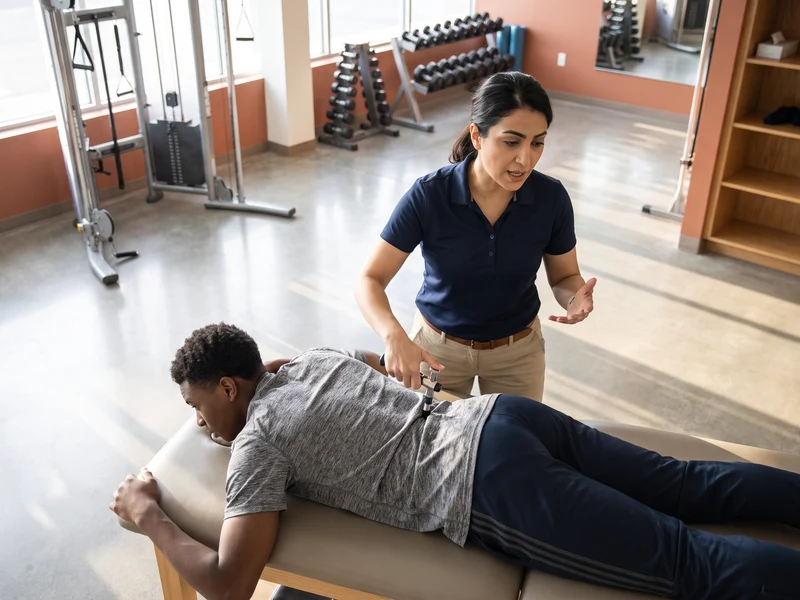
Hands-on, cause-first care for pain that’s overstayed its welcome. This is the foundation nearly everyone starts on, and for most people it’s the entire plan. Your evaluation finds the actual source of the problem, not just where it hurts, and treatment begins that same visit. From there you move through Pain, Prime, Perform, and Prevent at your own pace, with a Doctor of Physical Therapy running every session personally. No referral required to start, and no guessing about when it ends: the endpoint is named at evaluation and reviewed with you at every phase.
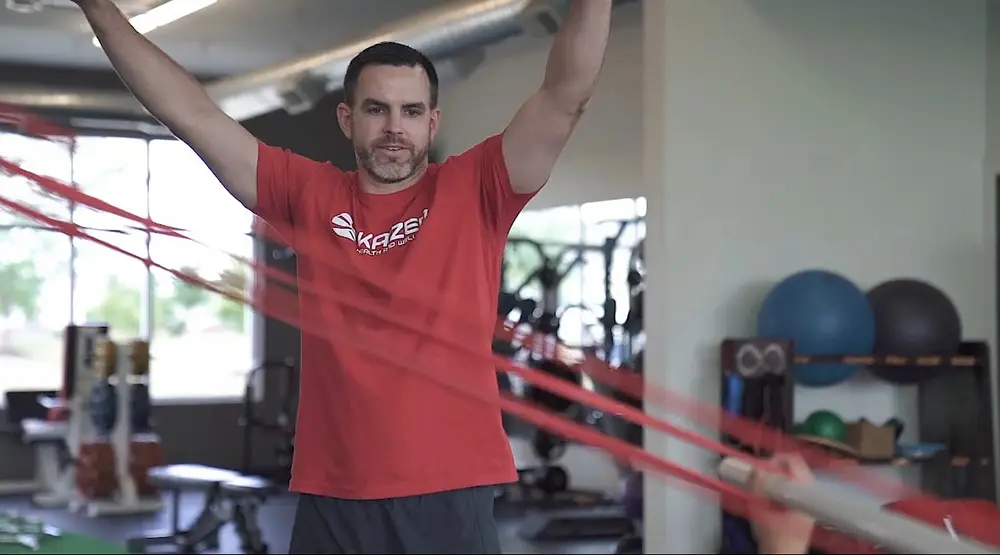
Sports Rehab
Return-to-sport testing you have to pass, not a date circled on a calendar. Sports rehab picks up where general recovery leaves off: strength, agility, and sport-specific movement rebuilt against clearance standards, not a calendar count. You don’t get cleared because six weeks passed. You get cleared because you hit the numbers your sport actually demands, tested by the doctor who’s been tracking your progress the whole way. Built for the athlete who wants back on the field, not back on a waiting list, and built to end the day you’re actually ready.
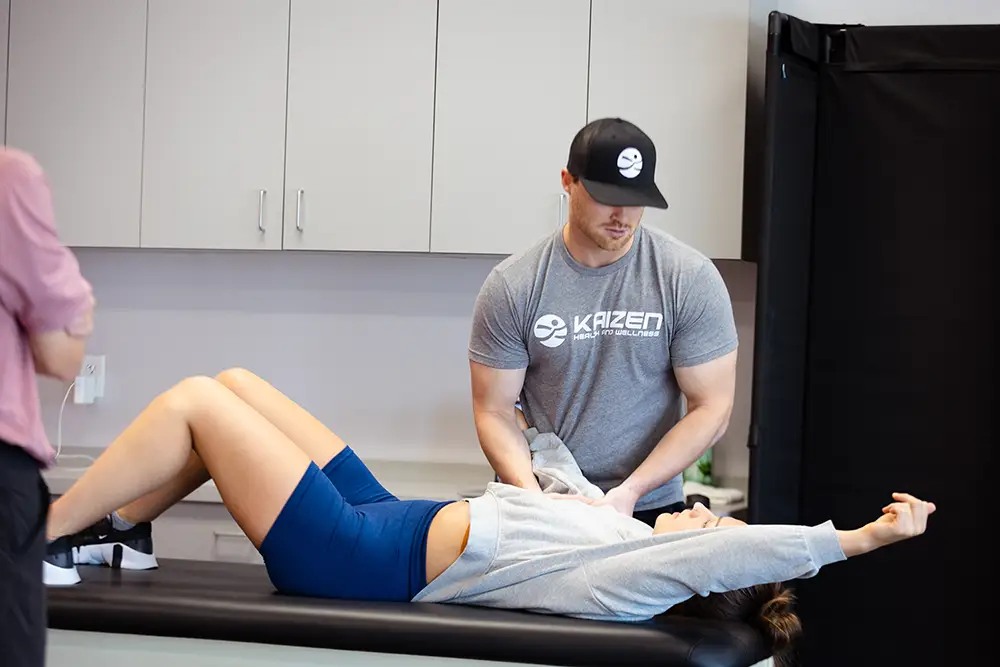
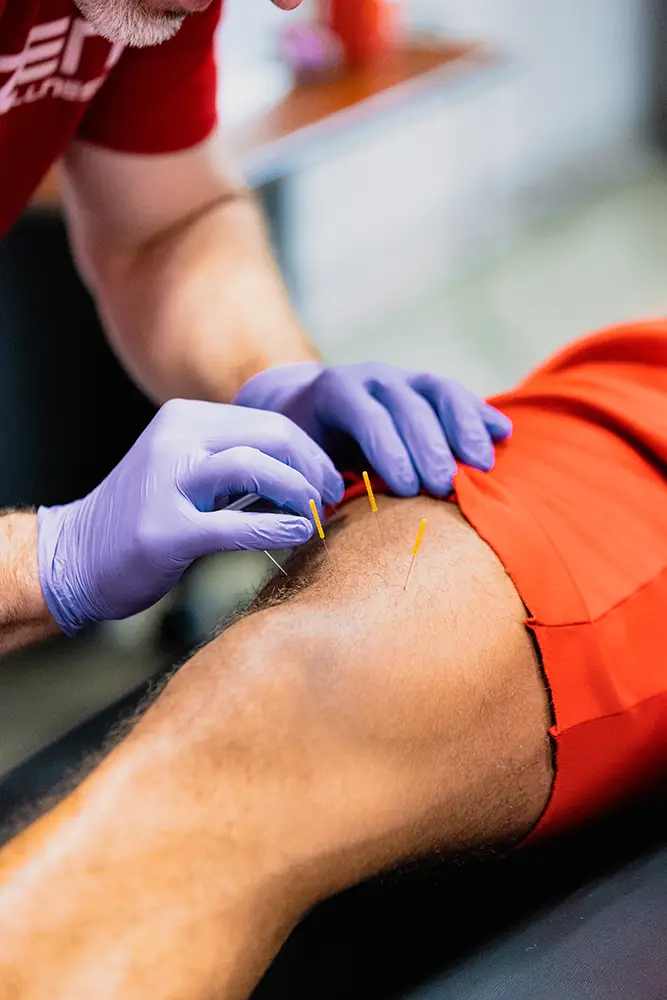
Dry Needling
Precise, targeted work for the knot that’s set up permanent residence since spring. Dry needling uses a thin filament needle to release the muscle tissue and trigger points that stretching and time alone haven’t touched. It’s a tool inside a larger plan, not a standalone appointment: your Doctor of Physical Therapy uses it when the evaluation points there, alongside the manual therapy and exercise doing the rest of the work. Most people feel a change in the treated area within the same session, with results building over subsequent visits.
Orthopedic Therapy
The broad umbrella for joint and soft-tissue problems that don’t fit a narrower box. If your ache touches more than one area, or hasn’t earned a tidy name yet, this is usually where it lands. The same cause-first evaluation, the same Doctor of Physical Therapy, one-on-one, hands-on, for the full hour, and the same four phases, Pain, Prime, Perform, Prevent, moving you toward a named endpoint instead of an open-ended string of visits. You don’t need imaging or a diagnosis walking in; that’s what the evaluation is for.
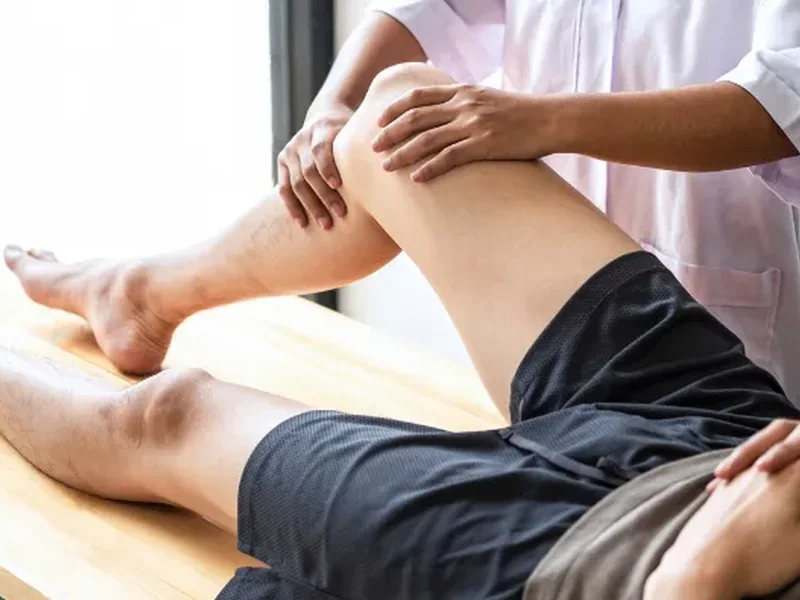
Manual Therapy
Hands-on joint mobilization and soft tissue work, the connective tissue running through nearly every plan here. It’s not a standalone appointment: it shows up inside your cause-first evaluation, applied exactly where the exam points, in the same visit as the movement and strength work it’s meant to unlock. Whichever service brought you in the door, your Doctor of Physical Therapy’s hands are on the joint or tissue that needs them, every visit, across all four phases.
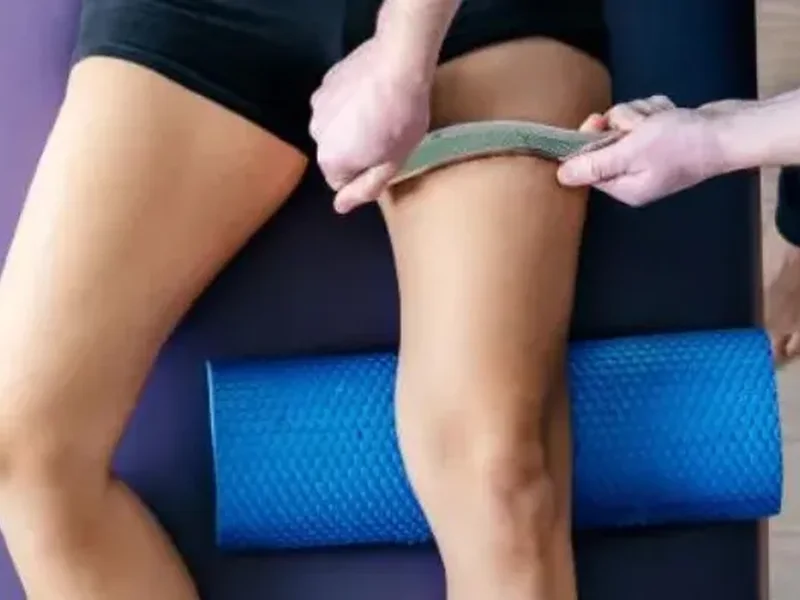
IASTM
Instrument-assisted soft tissue mobilization: a smooth-edged metal tool that finds and treats fascia, scar tissue, and chronic tendon restriction that hands alone can miss. It’s aimed at the specific, not the general: the tendon that’s been cranky for months, the surgical scar that still pulls, the thickened patch that stretching never quite reached. Scheduled inside your evaluated plan, in Pain and Prime, to break up restriction before the loading work that follows it.
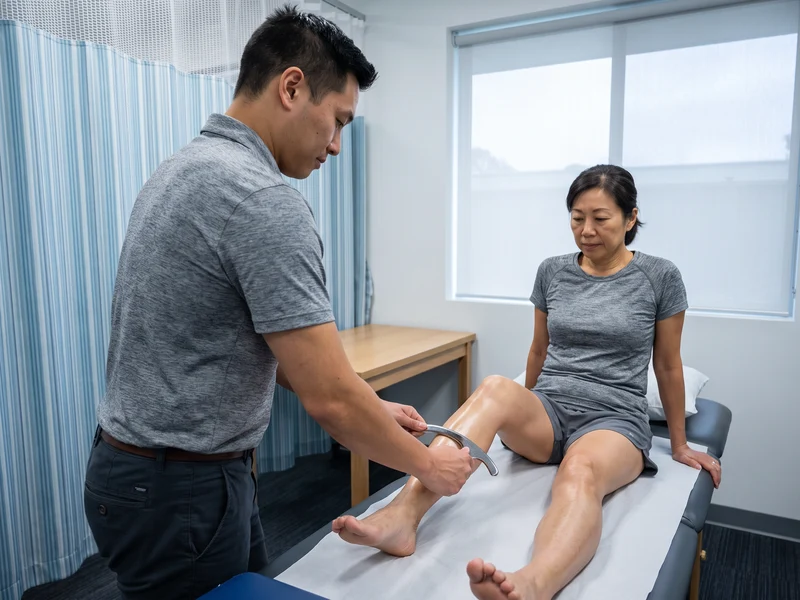
Body Tempering
Deep tissue tool work for the tissue that’s gone rigid from overtraining or chronic guarding. A weighted steel tool, rolled and pressed across large muscle groups, changes tissue quality and calms an overactive nervous system before harder training or loading work asks more of it. It’s a tool inside the plan, used early in Pain and Prime, never a stand-alone appointment or a substitute for the strength work that finishes the job.
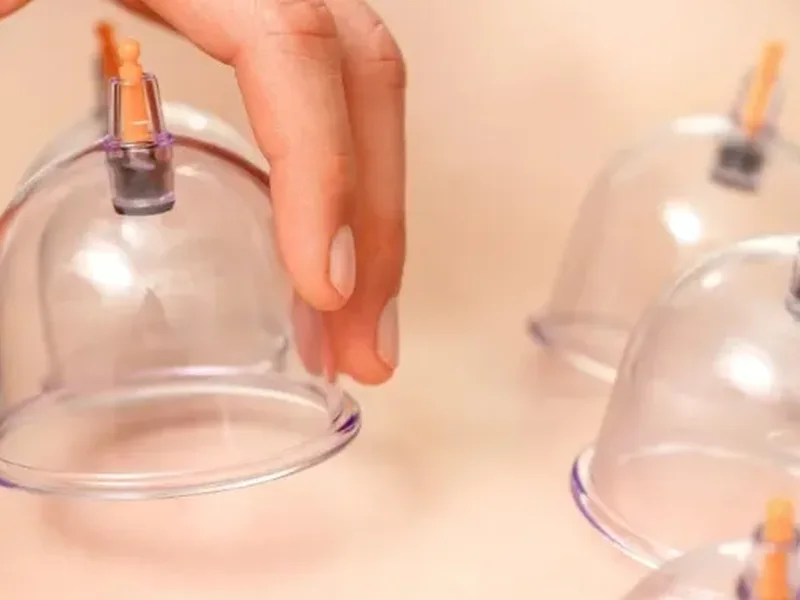
Cupping
Suction-based soft tissue and myofascial work, the same technique you’ve seen on elite athletes, used here for what it actually does well. Cups lift skin and fascia away from the muscle underneath, reaching restriction that direct pressure alone doesn’t always move. Scheduled inside your cause-first evaluation, usually in Pain and Prime, when tight fascia is limiting the mobility work coming next, not sold as a stand-alone wellness ritual.
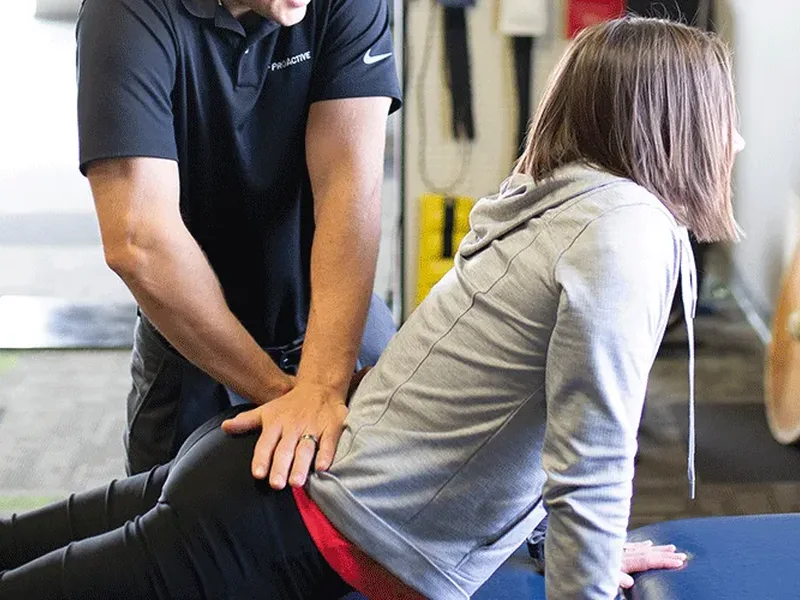
Spinal Manipulation
A targeted, quick adjustment for a specific spinal joint that’s lost its normal motion, mainly relevant to the neck and low back. Your Doctor of Physical Therapy identifies the exact restricted segment at your evaluation, then applies the adjustment to that joint directly, not the spine broadly. It earns its place early, in Pain, before the movement and strength work in the rest of your plan takes over.
Blood Flow Restriction
Personalized strength training under partial blood flow restriction: real strength gains at a fraction of the load. Built for a joint or tissue that isn’t ready for heavy weight yet, early after surgery or protecting an injury that can’t tolerate the stress of normal training. Your Doctor of Physical Therapy sets the cuff pressure and the exercise personally, usually in Prime and Perform, as a bridge until the joint can handle full load again.

Vestibular Therapy
Specialized care for the balance system, the inner ear and its connections to your eyes, neck, and brain, when it stops sending or processing signals correctly. That’s what shows up as dizziness, unsteadiness, or a gait that’s started to feel unreliable. The evaluation tests eye movement, head position, and balance directly, one-on-one with a Doctor of Physical Therapy trained in vestibular rehabilitation, moving through the same four phases toward a named endpoint.

Compression Boots
Pneumatic compression that speeds recovery between harder sessions, used as a tool inside your plan, not a treatment on its own. Sequential pressure moves fluid and eases heaviness after exertion or injury, added onto the end of a visit when training load is climbing or post-surgical swelling is lingering. It supports the plan; it doesn’t replace the hands-on treatment and loading work actually changing your tissue and your strength.

Workers' Comp
Medical treatment and return-to-work coordination for a workplace injury, run through the same cause-first evaluation and the same four phases as every other plan here. Your Doctor of Physical Therapy documents your function at every visit, in the detail your claim or your employer typically needs, working toward a real return-to-work endpoint, full duty, modified duty, or something in between. Needing that documentation is a legitimate reason to be here, not an inconvenience to the visit.

Not sure which one is yours.
Here’s the honest version: you don’t need to know. The people who end up on this page usually aren’t trying to self-diagnose between thirteen services, they’re just trying to stop guessing and start somewhere. That’s exactly what the evaluation is for. Talk to a specialist, describe what’s going on in your own words, and your Doctor of Physical Therapy routes you to the right service, or the right combination of two or three, before you’ve spent a dollar guessing on your own.
A rough starting point, if you want one: pain that’s new or that’s been nagging for weeks usually starts with physical therapy. An old injury or a return to a sport starts with sports rehab. A single stubborn knot that hasn’t responded to anything else is a dry needling conversation. But treat that as a guess, not a diagnosis, the same way we would; the evaluation is what actually decides it; the paragraph above is just a place to start the sentence when you call.
If you already know your symptom better than the service you need, start on What We Treat ⟶ instead and work backward from there.
Put it in writing.
Five short questions. A real person calls you back, usually within two business hours, with times that fit your week.
The people who end up filling this out are rarely in the worst pain of their life. They’re just done working around it, done picking the errand that doesn’t require the stairs. If that’s the stage you’re at, this is the part where you stop researching and start.
Consider it filed.
A real person will call you back, usually within two business hours, with appointment times that fit your week. Keep your phone nearby.
Can’t wait? Call (515) 207-2450 ⟶Easy to find. Easy to park.
In the neighborhood, with parking by the door. Come see the place before you commit, if you like.
The clinic · Kaizen Health and Wellness
Get Directions ⟶Opens in Google Maps