


Kaizen Health and Wellness
Spotlight Series
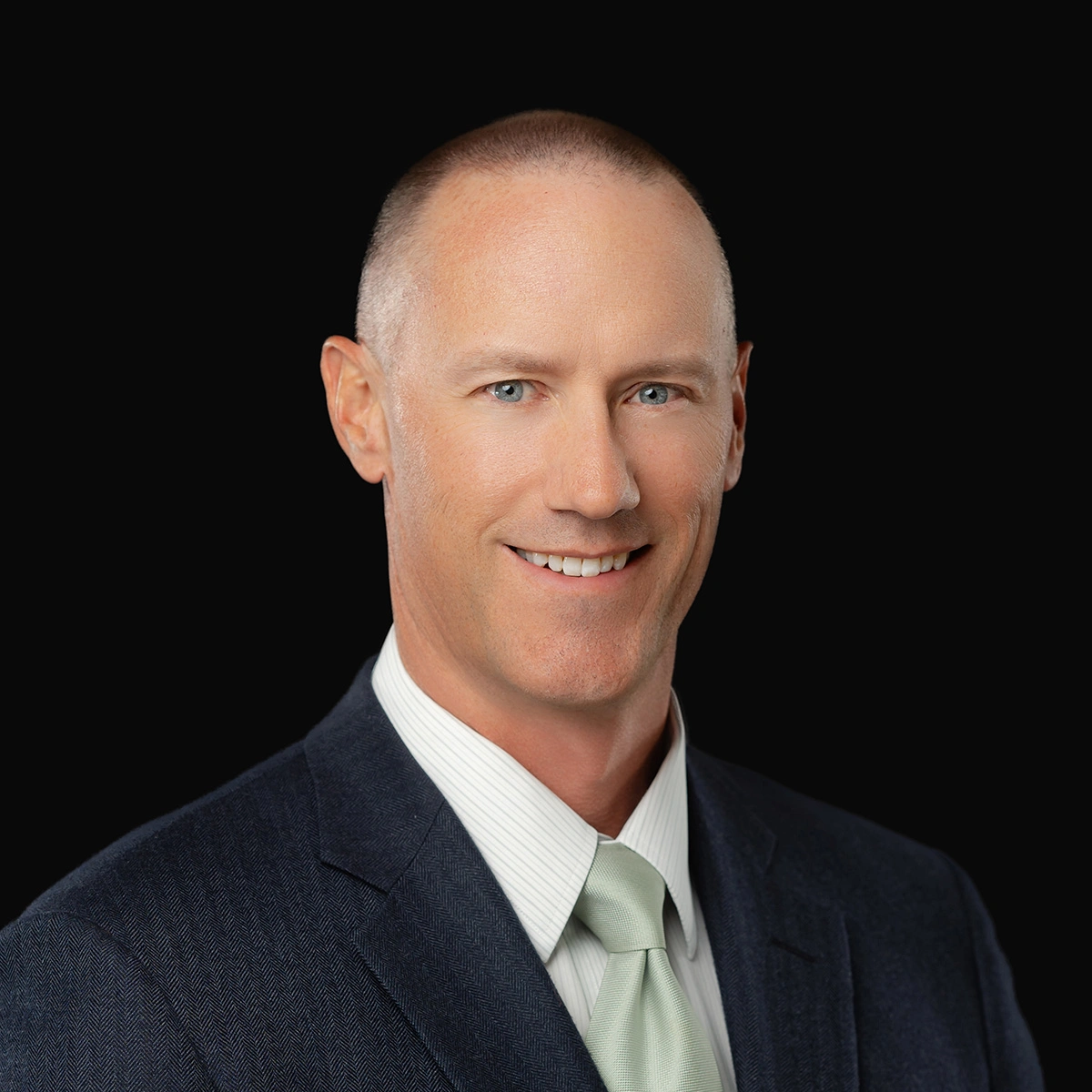
Spotlight Series Topic: Injury prevention, surgical techniques, rehab strategies & the latest advancements in ACL and shoulder surgeries.
Guest Name: Dr. Timothy Vinyard
Guest Credentials: MD
Discussion Details: In this episode, Dr. Timothy Vineyard, a top sports medicine orthopedic surgeon in Iowa, shares insights on injury prevention, surgical techniques, rehab strategies, and the latest advancements in ACL and shoulder surgeries. Perfect for athletes and active individuals looking to stay in the game long-term.
Benefit of Watching
- Advancements in ACL reconstruction techniques
- Importance of early injury detection and treatment
- Role of physical therapy in recovery and injury prevention
Address of guest’s business:
5300 NW 86th St
Suite 500, Johnston, IA 50131
Dr. Timothy Vinyard: Thanks for having me. Really thrilled to be here.
Dr. Bryan M. Ladd: Absolutely. I appreciate you taking time out of your busy schedule. I know you’ve got a lot going on, both with your family and a work schedule, so I really appreciate it.
Dr. Timothy Vinyard: Happy to be here.
Dr. Bryan M. Ladd: So yeah, let’s let’s dive in. Take us back a little bit. Uh I I’ve kind of read through you were a multiport athlete at Coe College, which is a feat in of itself. I played I played one sport in college and two is that’s a lot. So take kind of take us back through that and like what made you want to go into medicine?
Dr. Timothy Vinyard: Yeah, let me let me get through all that. So first of all, I born and raised grew up in Ottumwa, Iowa. I guess my like a lot of I think of us that end up going in the field of medicine, physical therapy, you know, anything that involves that realm. A lot of times our first experience were as a patient. That was certainly true with me. Uh had an unfortunate knee injury my senior year of high school playing football. Didn’t get to finish my senior year. Didn’t get to play basketball. And then actually my last play of college football ever was a broken ankles. Uh I uh I kind of went into school um knowing I wanted to do something I think in the medical field. Uh I considered physical therapy. I mean there’s there’s a lot of great obviously specialties. The the cliche joke is you know everybody says they want to help people. It’s it’s a cliche for a reason. And I think you and I both we just we get a lot of uh satisfaction out of you know taking people are injured and uh walking them through that process helping them whether it’s surgery whether it’s non-surgical whether it’s through physical therapy or really just kind of any means possible uh I did go to Coe College I was fortunate enough to play two sports football and baseball there’s a smattering of parents in the band and maybe a few uh undergrads that couldn’t find their way home from the bar the the night before or something like that but it was you know it was just it you know there’s no scholarships obviously no NIL truly kind of playing just for the love of the game. I did, you know, some people might recognize the name Coe College might remember. I did get to play I played with some phenomenal athletes. Uh guy by the name of Fred Jackson. He went on to have a, you know, great career in the NFL. He’s here in Ankeny now and just just a wonderful, you know, human being. I played football with Seth Wallace. He’s the associate head coach and linebackers coach now at the University of Iowa. So, there are a few, you know, it was a great school for me. It’s a small school, but obviously it was much more focusing on academics and then the sports part kind of came second, which is, you know, a little different than some of, you know, these higher level schools certainly these days. Um, from there I did my medical school and residency at the University of Iowa. So, I lived in Iowa City for 9 years. Great, great school, phenomenal training uh at at, you know, the University of Iowa, their orthopedic program has traditionally been kind of a top five, top 10 program in the world. So very fortunate to train there under some phenomenal you know kind of legends in the field. From there I spent a year up in the Twin Cities doing what’s called a sports medicine fellowship. So it’s kind of a extra year of subspecialized training. I worked alongside the doctors for the Vikings, the Twins, the Wild, the Timberwolves. So it was a super fun experience. Got to, you know, fly in the plane and be in the locker room and, you know, just kind of really see what it is, what the, you know, the quote unquote professional athlete experience is for patients. And I’ve been in Des Moines now for uh 14 years all with Iowa Ortho. I’m tremendously happy there. Uh I’ve kind of taken that knowledge. I I really try to provide patients with the the professional uh athlete experience or at least we talk about this is what we would be doing if you’re a professional athlete. Some people are on board with that. Not everybody is. And I I get it. And we try to, you know, dial that down into everybody’s specific situation, specific needs. Uh been with Iowa Ortho. I got a great family, a 19-year-old who’s uh playing football at the University of Northern Iowa. I’ve got a 17-year-old who’s a junior at uh in high school and I got a 13-year-old. A lot of sports in our family. Uh obviously, I love my job. I really do. Also, it’s allowed me to have a reasonable work life balance. I’ I’ve been able to coach a lot of my kids sports. I’ve been able to volunteer for some great organizations like the House of Mercy and help start uh Northwest Youth Football Programs. Uh that that stuff’s kind of been important to me, too.
Dr. Bryan M. Ladd: Yeah, that’s that’s is
Dr. Timothy Vinyard: it hasn’t always been easy. And God bless my wife. She’s been very supportive and very understanding and uh really helped me along through that whole process.
Dr. Bryan M. Ladd: Yeah, absolutely. Tell us about kind of the residency like what made you choose orthopedics and sports medicine and then kind of tell us a little bit more about the fellowship and what what all that entailed.
Dr. Timothy Vinyard: Sure. So, uh orthopedic residency it’s a 5-year program. Most programs you kind of get so so maybe I’ll back up a little bit. The field of orthopedics has become very subspecialized. So maybe 30 years ago if you saw an orthopedic surgeon he did everything right. He did saw kids and did spine surgery and did joint replacement that has dramatically changed to the point that most of us are very sort of subspecialized. So in my practice I’m a sports medicine specialist. I focus on arthroscopic knee and shoulder surgery. So ACL injuries, meniscal injuries, multi-ligamentous knee injuries, advanced cartilage procedures, rotator cuff tears, labral injuries, sort of things like that. What we found is in the orthopedic field is if we subspecialize, if we just focus on, you know, maybe 10 to 15 different surgeries, guess what? We tend to do better with those surgeries. Our patients tend to do better. And that’s ultimately what it’s about. Now, there are some downsides to that. Obviously, I will see some patients that, hey, I know you’re checking out my shoulder. Can you check out my foot or can you check out my back? And I obviously try to help them out as best I can, but what I’ll often tell them is that, you know, that’s really not my area of expertise. Let’s try to get you into the specialist. And that so that’s kind of what the fellowship is a year. So the the five years of training, uh, you get kind of exposed to everything. And about 95% of current residents once they finish that, they do a year of subspecialized training, whether that’s in spine surgery or foot and ankle surgery or sports medicine or hand surgery. And that’s where you kind of really hone in your surgical skills. And it’s usually with a different program. So you kind of get them exposed to maybe a slightly different way of doing things, maybe uh more of an academic setting, more more of a private practice setting. So you really kind of hold in that in that year of expertise. And that’s that was certainly my experience at Trio Orthopedics in the Twin Cities. I had a phenomenal experience. I just did a lot of the same surgeries I do now. I got I got this wonderful, you know, athlete kind of experience as well. That was great. And uh at Iowa Ortho, we’re a big enough group where we really have kind of every subspecialty covered. So we’ve got doctors that just do knee and hip replacement surgery. I just do arthoscopic knee and shoulder surgery. Doctors that just do spine surgery, foot and ankle surgery, hand surgery, and you know, it’s kind of list goes on and on. So hopefully that uh kind of answers your question there.
Dr. Bryan M. Ladd: Yeah, absolutely. Was there something in particular that drew you to like knee and shoulder? Was it your like experience in sports or what?
Dr. Timothy Vinyard: Couple different things. So yeah, obviously my my experience in sports, I really like taking care of athletes. And I say athletes of all ages. Al I’ve seen 11 and 12 year olds with sports injuries. I’ve seen uh 85 year olds that are still, you know, consider themselves young and active and and kind of everywhere in between. Uh and it does create sometimes a little bit of a challenge or headache that maybe not all orthopedic surgeons love dealing with. I’m being honest with you. I don’t mind. So, usually we talk about here’s your injury, here’s what’s going on, here’s what we’re going to do to fix it, here’s here’s, you know, kind of the general discussion we all have and then there will be sometimes a separate discussion like all right, but how does this apply to my sport, my goals, what I’m trying to do? So, I do take care of a lot of um high level high school, collegiate, even you know, some professional athletes. And especially a lot of these kids in high school, it’s a very critical time, you know, their their sophomore, junior, senior year. Many of these kids have aspirations of playing at the collegiate level, wanting to earn a scholarship, and now it’s more than just scholarship. There’s there’s sometimes a significant amount of money involved, too. So, okay, we’ve talked about this. How is this what are we going to do next? What’s the next step? How are we going to optimize this? You know, my goal is to earn a power four division one scholarship. So, what’s what’s where do we that’s great. We’re going to do the surgery. What are we going to do after that? And that’s where a lot of times phenomenal physical therapists like you come in. All right. We’re going to get you in working with a physical therapist. Some of these kids already have a personal trainer. Okay, great. We’re gonna we’re gonna the physical therapist is going to direct your therapy. I make that very clear. If your athletic trainer wants to talk to the physical therapist, your physical trainer and wants to, you know, augment what they’re doing, great. But that’s so there there is a bit of an extra part of taking care and I don’t mind. I actually enjoy doing that. I live in that world. My kids are in that world. So, I kind of like that added layer of complexity, so to speak, and not everybody does.
Dr. Bryan M. Ladd: Yeah, I was going to say it’s it’s kind of wild even from I don’t feel old, but even back in my day, you know, we didn’t have all the things that athletes have nowadays. Like, we’ve got patients here that they’ll come from their doctor’s appointment to rehab. They’ve got a personal trainer that works on speed and agility and strength, but they’ve also got a skill coach that helps them with specific position uh drills. Like, they’ve got so many resources that I didn’t have access to. It’s just it is a different world.
Dr. Timothy Vinyard: But it is. Yep. That could be a whole different discussion. It is. And and I’m sure you know obviously you live in that world. You deal with that too. Sometimes it you know when there’s so many different voices inside your patient’s head or or people kind of pulling them in different directions. You know their physical therapist might be telling them one thing, their surgeons telling them one thing, their trainers telling them one thing, their coach is telling them another thing. Some of these kids have agents who are Yeah. telling them a whole different thing. So, it does add sometimes, you know, some complexity and, you know, there’s times where I just I’m like, “Hey, let’s all get together on one phone call. Let’s let’s hammer this all out. I’m just I’m going to give you my opinion. I’m going to tell you what I think and then it’s up to you to decide what you want to do with that.”
Dr. Bryan M. Ladd: Yeah. And then you got the people who are like, “Well, I saw this Facebook post and it said this and I Googled this. What do you think about XYZ here?”
Dr. Timothy Vinyard: Man, I get a lot of Look, I love I love that, you know, I’m holding my phone here. We have all the world’s knowledge in our hand. I think that’s great. I like my patients to be educated. I really do. I’m not trying to pull anything over on them, you know, or anything like that. But there’s a lot of good information out there and there’s a lot of not so good information out there. And then it’s uh you really have it takes time to kind of understand how to, you know, just just understand research studies and how they’re done. If you’ve never been involved in designing a research study or doing that yourself, there’s a lot of nuance to it that I think unfortunately a lot of people who’ve never had that experience don’t really understand. Uh, you know, for example, I do a ton of ACL surgery and it’s very easy to go onto Instagram, Tik Tok, whatever you want to call it, and you’ll you’ll type in ACL surgery. You’ll get a million videos, these little short snippets telling you this is the way to do it, this is not the way to do it, this is crazy. Uh, in reality, there’s, you know, probably 20,000 research articles involving ACL surgery that get p published every year, probably even more than that, to be honest with you. So, you really need to have some advanced training or knowledge to be able to take that information and kind of cipher through it and kind of decide what’s what’s good information, what’s not good information. There’s so much out there that there’s going to be conflicting data. Well, this says this is the best and this says this is the best and how how do you, you know, kind of rectify all that? It it it can be a daunting task if you haven’t kind of had that sort of training and expertise.
Dr. Bryan M. Ladd: How would you recommend for for patients out there? You know, ACL is a perfect example because there’s different techniques and one surgeon might recommend one technique, one might recommend another. Like how does a person even figure out where they should go or who they should see for that?
Dr. Timothy Vinyard: Great question. And uh this is something I could talk about for hours, so I’m I’m apologize. cuz I hopefully I don’t kind of drone it on here, but uh number one, ACL, very important ligament, very common injury. When you tear it, most patients choose to have surgery. Some patients don’t and and and I don’t typically recommend that, but I don’t typically fight it on them fight them fight them on that either. The surgery has gotten tremendously, you know, it used to be a really big surgery. uh you’d spend several nights in the hospital and we’ve we’ve gotten so much better to the point that most of the time I’m just doing it through small arthoroscopic incisions, minimally invasive surgery. Um and and the recovery we’ve got the recovery process better. Patients are starting to work with a physical therapist right away. Um probably the biggest question I get is about the graft. You know, what what are you going to use to reconstruct my ACL? I heard this one’s better. I heard this one’s better. I heard this one’s better. I’d say currently there’s kind of four good options right now. There there’s the patellar tendon option. That’s the one we’ve done for years. Some people refer to it as a gold standard, although that may or may not be changing. Hamstring tendon was the second one to come along and uh has a lot of years of data, good data on that. Quadriceps tendon is kind of the newer one. We actually used to do that years ago. It kind of fell out of favor. It’s starting to come back in favor and then I think u at least in some circles it’s kind of fallen out of favor again. and then allograft or a donated ligament. Somebody who’s died who’s fast in their tissue. Real briefly, I’m a I do a lot of hamstring ACL reconstructions. That’s what I think in my hands is the best. That’s what I typically recommend for patients. That’s what I would want for my own uh child if they tore their ACL. Here’s we talk about this a lot. It’s probably the least important part of the surgery that you can have great outcomes with using any of those graphs. I will say the allograft that’s the one that I typically reserve for for my a little bit older less demand patients maybe those beyond the age of 35 or so the reason being is studies show those younger patients going back to what we call level one sports like basketball or soccer they have a higher risk of retaring older less demand patients not going back to those type of sports have a a much lower risk of retaring and it’s just a little bit less surgery it’s a little bit less pain I’m 46 years old if I tore my ACL tomorrow I’d probably used to So, I would probably choose to go with a donated ligament just cuz it’s a little bit less surgery, a little bit easier recovery. So, that’s that’s probably the question I get asked about the most. And uh again, lots of lots of different ways you can go there. I will say there there’s a new if not to diverge off topic here but in the realm of ACL surgery there’s a newer well maybe not a newer procedure there’s something called a lateral extra-articular tenodesis and it’s starting to gain some more traction certainly in our orthopedic world it’s not a new procedure it’s or at least a similar type procedure has been around for probably 10 or 15 years just it unfortunately sometimes in orthopedics things are slow moving I know I’m very hesitant to recommend something or kind of change what I’m doing unless I can feel pretty confident I’m doing the best thing for my patient and not causing them harm. This uh this thing called a lateral extra-articular tenodesis, it’s a small incision on the side of the knee. It’s taking a thin strip of what’s called the IT band. It’s looping it underneath what’s called the fibular collateral ligament or the lateral collateral ligament, basically suturing it back onto itself. So, it’s not a ton of extra surgery. It’s no extra implants. And the rationale behind it is this. So the the ACL when we reconstruct it, we do a pretty good job of the an what’s called the anterior translation of the knee and that’s the main function of the ACL. But there is also a rotational stability component to it as well. And we haven’t always done a great job of restoring that rotational stability. We think by adding in this procedure that we dramatically improve the rotational stability of the knee. And the real kicker, so what I consistently tell patients, this is true for any studies, is after ALCL surgery, no matter how hard you work, no matter what what you do, no matter how good of an athlete are, no matter how good your physical therapist or your surgeon is. Historically, there’s about a 10 to 15% risk of retaring your ACL. And that unfortunately seems to be a little bit higher in our younger patients than our older patients. There have been three recent studies where patients the most at risk group of patients have added in this they the surgeon has added in the lateral extra-articular tenodesis procedure and they have seen a dramatic reduction in their retear rate. Two of the studies actually had a 0% uh retear rate and that’s almost unheard of in uh ACL surgeries. I’ve started off from that to my patients. I’ve probably been doing it for about uh nine months or a year now. I’m just guessing on that. I don’t remember, but uh and it’s early obviously, but I’m knocking on my wood desk here, but I have not had a single patient retear since I’ve started adding in that procedure. So, that’s something I’m excited about and uh we’ll see what the future holds.
Dr. Bryan M. Ladd: So, so that’s added in with the graft, correct?
Dr. Timothy Vinyard: Yes, the traditional ACL surgery regardless of graph. Now, I tend to offer this to my younger patients where I’m doing an autograph using their own tissue anyway. And uh you know, patients that I’m offering an allograft to, usually a little older, lower demand patients, their risk is already so low that we’re typically not adding it’s not really worth it to add in that procedure because we’re probably not reducing further reducing their risk. Their risk of retaring is already close to zero anyway.
Dr. Bryan M. Ladd: Okay, gotcha. Yeah, that makes sense. I mean, it’s it sounds very promising. It makes sense.
Dr. Timothy Vinyard: It does. Kind of ingenious to me. I think Yeah. When I hear that race that low, I get a little, you know, sometimes you hear things that just sound too good to be true, right? And and usually it is, right? I’m always very skeptical in those situations. So, if it was just one study, but there there’s now been multiple studies, high level studies, nonbiased studies, not, you know, uh you always got to look at where some of the funding comes for these studies because unfortunately that does play a role.
Dr. Bryan M. Ladd: Sure. Sure. Can we backtrack just a little bit? Can you explain to people that are listening that might not know what what exactly does arthoroscopic mean and what does that entail?
Dr. Timothy Vinyard: Yep. Great questions. Uh, you know, years ago when we did surgery, we had no way to do it other than to make a pretty large incision, right? And you had to cut through the muscles, detach muscles sometimes and uh obviously much bigger surgery, much more assault on the joint and just a longer recovery process. Somewhere along the line, there’s some very ingenious doctors who said, “What if we could just what if we could just stick a camera inside the knee?” And some of the the wild things they did early on were are worth looking up. I I I can’t really talk about them right now, I guess. I just don’t know all the details, but they’re really kind of wild to look up. Uh where we’ve progressed to now where there’s so many things we can do what’s called arthoroscopic. So, what it really means is with use of a camera usually, especially for knee or shoulder surgery. So a lot of knee surgeries I can do just through two small poke holes in the knee. One for this uh you know 4K camera that I insert into the joint. It allows me to look all throughout the joint. And then we have all these you know special instruments that allow us to do the surgery. And there’s these, you know, there’s things that we can use to grab and grasp things, things we can use to cut tissue. We have these shaving devices that suck uh diseased tissue into it and it’s got an oscillating blade that removes it. We have these special drills that we can drill into the bone and create these sockets. Um it’s it’s really kind of impressive uh how how quickly that field has developed. I mean, you know, probably within the last 25 years or so, it’s it’s uh maybe uh maybe 30 years or so, but it’s it’s really advanced in that uh time frame.
Dr. Bryan M. Ladd: Can you talk a little bit about um like questions we get all the time or about arthritis? What things can we do for arthritis? Is PRP going to help? Is cortisone just an a band-aid for us? You there’s different uh fat transfers that
Dr. Timothy Vinyard: Yeah.
Dr. Bryan M. Ladd: we’ve talked about. Can talk about different options for that? I think that’s a big thing that that we see in the rehab world.
Dr. Timothy Vinyard: So arthritis is kind of like the scourge of my life and my my practice and I’m I’m guessing yours too as well. It’s it’s such a frustrating problem to have. So I spend a lot of a lot of time a lot of the surgeries I do a lot of the things I do a big part of that surgery is to try to either treat cartilage damage or try to prevent the onset of osteoarthritis. Maybe I’ll take a step back. So all of our joint so all of our bones are joints especially like our knee and our shoulder there’s a thin covering on the end of the bones what’s called articular cartilage and uh it has no nerves in it. It’s avascular. It literally provides a cushioning on the joint. And that’s why it doesn’t hurt every step we take. And it’s so precious. It’s so important because over our lifetime, it just kind of starts to wear away. And uh eventually you kind of tip the balance into where the lining of the joint produces this fluid and these enzymes that starts to cause more damage and then the the knee joint just rapidly deteriorates. And that’s when we say you have osteoarthritis or kind of endstage osteoarthritis. And that’s typically when patients choose to have a knee replacement. And I don’t do knee replacement surgery. So, I’m also invested in trying to help these patients. Just try to avoid that. It puts it off for as long as possible. And there are there are several things you can do. So, there’s kind of the tried and true things. All right. So, step one, avoid injury to your joint. And that’s easier said than done, right? Things just happen. But we know people who tear their ACL even with successful surgery, patients who are in a car accident, unfortunately, uh they are much more likely to go on to develop arthritis than somebody who hasn’t had that injury. uh keeping your weight at a reasonable level. Again, easier said than done, but some studies suggest you put up to, you know, 3 to 10 times even your body weight with certain activities. So, if you think about if you have an extra even just an extra 5 to 10 lbs, that can be a significant force on your knee, for example, every step you take. Uh if you’re really interested in preserving the nature of your joints, do do your best to keep your weight at a reasonable level. We are now we are finding out that in uh that genetics play a bigger role than than maybe we might have previously thought. And that’s really frustrating to hear because I do have patients that quote unquote do all the right things. Other patients who quote unquote do all the wrong things. And uh you know sometimes those patients do all the right things still get arthritis and the ones that do all the wrong things don’t. Obviously avoiding smoking. There’s studies showing that increases your risk of arthritis. And then we get into you know kind of you know things in sort of my realm. So Arlich doesn’t like abnormal pressure. So if you have an injury to your joint or something that is putting abnormal pressure on the cartilage, I would argue it’s in your best interest to try to treat that, especially from a surgical standpoint. So probably the main thing I see see that is with a torn meniscus. So uh I think probably most of your patients or most people listening know this, but you have uh there your knee has a medial meniscus on the inside part of your knee, a lateral meniscus on the outside part of your knee. These are basically shock absorbers for your knee and they have a very poor blood supply. So, it’s very common to develop tears and because of the poor blood supply, they don’t heal. They usually slowly get bigger over time. And I will see a lot of patients that have basically this big flap of tissue that wants to flip back and forth and get pinched in the joint. Well, if that’s putting abnormal pressure on the joint, it’s probably going to speed up the arthritic process. So, that’s what we’re talking about. It might be worthwhile going in there arthoscopically for very simple surgery to just remove that torn piece. While we’re in there, we smooth out any cartilage damage. We remove any inflamed tissue. Again, we try to do what we can to slow down the arthritic process. Kind of same thing with an ACL, too. If you’ve torn your ACL, you’re going to either have micro or macro instability in your knee. That puts abnormal pressure on the cartilage as well. That’s another reason to consider surgery. But, as we talked about, even with successful surgery, you’re probably still headed towards arthritis and a knee replacement surgery. There have been some there’s a ton of different injections that we have tried. So, so why don’t we start with the three I’ll start with kind of the three main injections that I currently offer in my practice and I I’m aware there there’s a ton other of those too. Cortisone injection these anti-inflammatory injections been around for years relatively inexpensive at least compared to some of these other injections great for treating inflammation but there are studies showing that if we do these especially over and over they probably cause more harm than goods. Uh I I do way less cortisone injections now than I did 10 or 15 years ago. And certainly I don’t think a great option to just keep doing these over and over unless we’ve found that’s the only thing that works for you. The the other injection that’s been around for a long time are what called these viscosupplementation injections or hyaluronic acid injections. There’s lots of different brand names. It’s kind of like a synthetic joint lubricant for your knee. Goes in, fills the joint up. We talk about it kind of being like a motor oil or a gel for the knee. We think it helps everything glide back and forth. We think it helps restore the normal synovial fluid or fluid inside the knee. We think it helps a little bit with inflammation. Studies are mixed just like they are for all of these injections as to whether they truly work or not. And again, we’re aimed at reducing patients symptoms, buying them some more time basically until they’re ready for their knee replacement. Um, they are more expensive. We typically have to get authorization from your insurance company. They take longer to kick in the cortisone, but they also tend to last longer and tend to be uh safer uh to do on more of a repetitive basis. The one that probably get asked more about more than anything is what are we call these PRP injections. PRP stands for platelet-rich plasma. Essentially, we’re drawing blood out of your arm. We’re spinning it down in a centrifuge. We’re pulling out the platelet parts. We’re injecting it to an area where we’re sort of trying to stimulate a healing response. Now, I was very excited about these injections when we started doing them probably like 15 maybe 20 years ago, but the studies have been a bit mixed on whether they truly work or not. Uh I think they’re very safe. Uh it’s a very natural. to your own natural blood products. I’ve had patients find these injections to be very helpful and I’ve had patients that haven’t and that that seems to be pretty typical experience uh amongst my my colleagues as well. One of the kickers is insurance companies really don’t like to pay these. They consider them to be investigational. The the price for these even for the same injection can vary. Currently at Iowa Ortho, we charge around $700 for one of these injections. There are some other places and groups that charge a much higher amount. We try to keep that cost low intentionally because honestly I I don’t want patients to feel like I’m trying to sell them on something that might work and might not work. To be honest with you, I get asked a lot about stem cell injections. There are truly I wouldn’t say there’s truly any uh thing a stem cell injection in the United States. So you’re technically not allowed to separate out the stem cells from other tissues in the United States. There are true stem cell injections in Europe, South America. I have had patients travel to those countries to get a true stem cell injection. closest thing we have is what’s called a bone marrow aspirate where we drill into the bone, pull out the bone marrow, inject it into a spot where we’re trying to stimulate a healing response. Uh, a lot of studies suggest that roughly 1 to 20,000 to one in 30,000 of those actual cells is actually a stem cells. Calling it a stem cell injection is probably a little disingenuous. So, those are probably, you know, a quick and dirty kind of the the injections that we most typically get asked about or offer through.
Dr. Bryan M. Ladd: Yeah, I would say that’s that’s pretty typical for what people ask me about as well. And like you said, it’s it’s kind of hard because I think everyone wants that like magic bullet, like the one thing that’s going to get rid of their arthritis and going to get rid of their pain. And so, like you said, some it might help, it might not. And so, it’s it’s hard without trying, but it is it can be very expensive.
Dr. Timothy Vinyard: One other plug I’ll put in is if you truly want to do everything you can to avoid your risk of arthritis, find a good physical therapist. Uh like like Dr. Ladd here. It really So, making sure your muscles are in balance, making sure everything is working the way it’s supposed to. Making sure you have good ergonomics, good mechanics when you’re exercising when you’re working out. It’s amazing how much that can reduce your risk of injury, reduce stress on your joints, improving your flexibility. A lot of my patients are very, very tight. And obviously, if your joints are tight, you’re probably putting more pressure on the cartilage, and that’s probably going to speed up the arthritic process as well.
Dr. Bryan M. Ladd: Yeah. Yeah. And it doesn’t have to be complicated either. I mean, just daily walking, getting enough steps in, I think is a a great place to start.
Dr. Timothy Vinyard: Couldn’t agree more.
Dr. Bryan M. Ladd: Yeah. Okay. I love the knee, but shoulders are my favorite. So, let’s let’s jump up to the shoulder and let’s talk about that a little bit. What do you what’s your favorite thing to treat there? And what are you seeing in your practice?
Dr. Timothy Vinyard: Yeah. So, probably the most common shoulder surgery I do is a rotator cuff repair. So, my my patient population, most of my younger patients tend to be more knee injuries, so ACL tears, things like that. Although I will see some older patients with some degenerative meniscal tears. My shoulder patients definitely tend to be an older population. So the rotator cuff is a group of four muscles and tendon, especially the two on top kind of meld together in this sort of cuff of tissue. That’s why it’s called the rotator cuff. It’s a very important group of muscles and tendon. So you have the the ball and the cup that that makes up your shoulder joint. The rotator cuff tendons actually pull the ball to the cup and pull it down. So they allow the power muscles to be more efficient in what they’re doing. That unfortunately it’s another area that has a very poor blood supply. A lot of these tears slowly develop over time. Once patients develop a full thickness tear. So once the tendon tears away from the bone, it’s almost unheard of for that tendon to reattach and heal on its own. So in fact, usually that tendon that tear slowly gets bigger over time. It starts to retract away from where it attaches. And if you let it go on for too long, the tear can get so big and the tissue gets out so unhealthy that it’s it’s it’s very very hard to do a repair and get it to heal. So that’s definitely an injury I wish people would maybe recognize a little bit earlier on. And I get it. There’s uh now it you’re paying money every time you go to the doctor, every time you’re you’re getting a X-rays or an MRI. There’s a there’s a cost involved with that. But it’s truly it’s a way better injury to be treated early on in the process than later in the process. So that that’s the probably the most common surgery I do. It’s probably my favorite shoulder surgery to do. I will see younger patients, football players that dislocate their shoulder and we go in there and repair their torn labrum uh or do what’s called a capsule where we’re pulling the capsule and ligaments uh back together. I’ll see some young patients that uh maybe working out a little too hard. They tear their their pec tendon. I will see uh some a lot of middle-aged males that will retail their their biceps tendon, their distal biceps tendon where it attaches down in their forearm. That’s another injury that uh it’s nice to recognize early on in the process. It’s a much simpler surgery, much easier recovery if we get to it kind of within the first couple weeks of injury. So, those are probably the most common upper extremity or shoulder surgeries uh that I see and do.
Dr. Bryan M. Ladd: I want to hear your take on CPMs. Well, you I guess we could talk about that for the knee and for shoulders cuz we see we see patients from, you know, all different ortho groups here in Des Moines and some of the protocols afterwards are just wildly different. You know, sometimes we’ll see a shoulder immediately after, sometimes it’s 6 weeks later and they’ve been using a CPM and so I just want to hear your thoughts on on that.
Dr. Timothy Vinyard: Let’s so so just uh for for maybe people listening, CPM stands for continuous passive motion. There’s uh these probably I think these started with knee devices in the uh probably in the total joint worlds. Patients undergo knee surgery. There used to be a lot of pain. It used to be hard to get patients moving. So we’d have patients in these CPM machines and it’s it’s basically a big brace that you put on your knee. It slides the knee back and forth. It helps the patient bend it back and forth. And we thought that reduced the risk of getting like a stiff knee. Unfortunately, studies haven’t really supported that. That’s why a lot of these uh insurance companies stopped paying for these after surgery. and uh they’ve kind of they’ve kind of gone away at least in in my world. I will still it’s very rare for me to prescribe uh a CPM either for the knee or the shoulder. There are ones for the shoulders these kind of chairs that you sit in kind of move their arm back and forth. First with knees, I’m a big fan for my knee injuries of getting them started with a physical therapist right away. So plenty of studies show those benefits. I might say, “Hey, take a day or two off if you need it just to recover, but let’s get you in working with a physical therapist right away.” So ACL surgery for example, uh that new ACL I put in the knee at the time of surgery is roughly twice as strong as their normal ACL. So it’s safe to put weight on it. It’s safe to start bending. It’s safe to start working with a physical therapist right away. Basically the sooner they start, the quicker those muscles wake up and ultimately really helps with that early recovery period. So I like active range of motion for these patients as opposed to passive range of motion. Especially for my knee patients that there occasionally we’ll talk about a CPM if I’ve done like an advanced cartilage procedure. There are still some studies showing that some gentle range of motion, passive range of motion can help in terms of stimulating new cartilage growth, but that that’s kind of few and far between. I’m a big fan of active range of motion right away for the vast majority of my patients. Shoulders is maybe a little bit different. So, these uh these rotator cuff tears, especially these big ones, when you reattach them, there’s there’s I like to think of it as there’s kind of a sweet spot that we’re shooting for for the patient, both as a surgeon and the physical therapist. So, if they’re in a they’re almost always in a sling. If they’re in a sling and they don’t move at all, that’s actually great for healing, but there’s the risk of that they’ll get too stiff. If they get too stiff, that creates all sorts of other problems. Whereas if they start doing too much and move too soon too early, they reduces the risk of stiffness, but then you worry about too much motion at the tendon bone interface and increasing the risk that the tear won’t heal. So I I kind of set that expectation based on how big the tear is. So smaller tears, I’m having them start some passive range of motion exercise on their own. We’re typically getting in with a physical therapist within one to three weeks after surgery, but ma still mainly focusing on even the physical therapist doing what are called passive range of motion exercises. Bigger tears, I might say, “Hey, we’re just going to give this six weeks where you’re just going to do just some very simple range of motion exercise on your own. You had the biggest tear possible. You have what’s called a massive tear. I’m worried about it’s not healing. You’re going to need a ton of physical therapy anyway. Let’s give this 6 weeks to give it a good chance to heal. Yes, you’re going to get stiff. Yes, your muscles are going to get weak, but then we’re going to get you in working with a physical therapist uh right away after that and get that get get the motion back, get the strength back, and because you have such a big tear, this is kind of what we have to do to get it to heal. So, that’s probably in a nutshell at least kind of my current thinking when it comes to CPMs and physical therapy, both for knees and shoulders.
Dr. Bryan M. Ladd: Gotcha. And and for the listeners too, that that 6 weeks is that physiologic healing time or the time the body needs to be able to repair that tissue and make sure it’s solid.
Dr. Timothy Vinyard: Correct. That’s correct.
Dr. Bryan M. Ladd: Yep. So, really is the most important part after after surgery.
Dr. Timothy Vinyard: Yep.
Dr. Bryan M. Ladd: Yep. So, yeah, we we’ve seen, like I said, we’ve there’s a lot of variance and nuance in it, right? Is it big tear? Is it a small tear? What’s their age? What’s their activity level? There’s a lot of different things that go into, you know, what that person’s specific protocol is going to be. Um, we have had a couple patients recently that are on these Facebook support groups and they’re like, “Well, you know, I saw this person post this or this.” And and I kind of have to tell them that like, “Hey, that might be correct for that person, but you don’t know their medical history. You don’t know their surgical history. You don’t know what they what the doctor saw or the surgeon saw in surgery, what they see once they got in there.” And so, there’s so many different nuances and and variables that that go into it. And so, it’s not it can’t be cookie cutter, right?
Dr. Timothy Vinyard: Yeah, I will say obviously and I want I I want to stress the importance of this. I I’m a big fan of physical therapy. I find yourself a really good physical therapist. It’s it’s a really important part of the recovery process. If you’re if you’re going to invest the time and money and pain and suffering that comes with surgery, you’re really worth investing in working with a physical therapist. I I’m amazed at how many patients tell me, “Ah, I really I don’t have time for physical therapy. I yeah, I want to do the surgery, but I don’t want to do the physical therapy afterwards. And I kind of look at them like they’re crazy. I’m like, what are you talking about? Like, this is, you know, if you’re going to do the surgery, you really need that to invest time in the physical therapy. Um, I always say, you know, it’s body parts aren’t car parts. You can’t just unbolt one and bolt another on and you’re good to go. Like, it doesn’t work.
Dr. Bryan M. Ladd: I like that. I’m going to steal that from you, I think.
Dr. Timothy Vinyard: And uh you know I’m also I think maybe there was a time where the orthopedic surgeon wanted to kind of like micromanage every step of physical therapy. And maybe there are some guys out there. I’m not like that at all. You know, I I trust the physical therapist that I send my patients to. I trust that they’re going to do the best thing for my patient. And just like there’s different thoughts. Orthopedic surgeons have different thoughts. Different physical therapists have different thoughts. So, I know you’ve always done a great job with my patients of saying, “Hey, you know, this is kind of a general protocol that we have, but we’re going to we’re going to dial it in for you. We’re not going to just do kind of what a a cookie cutter kind of one size fits, you know, most patients. We’re going to find what works best for you. If this exercise is getting the job done, great. If not, if it’s causing pain or issues, we’re going to pivot to something else. And, uh, you know, if you’re if you’re doing great, we’re going to move you ahead in sort of this protocol. If you’re struggling, we’re going to dial things back a little bit. if you overdo it or have a step back, we’re gonna, you know, we’re gonna kind of reel you in. So, it’s it’s uh and that’s almost impossible to do on your own. Find yourself a good physical therapist if you’re having surgery.
Dr. Bryan M. Ladd: Yeah, absolutely. I’d echo that, too. Especially athletes. You know, there’s there’s good physical therapy out there, there’s bad physical therapy, but there’s definitely a difference between people that work with nothing nothing against older adults, but there’s a difference between people that primarily work with older adults versus athletes. And it’s just there’s a lot there’s a different skill set that it takes and so finding someone that knows how to dial that in for the athlete is crucial I think.
Dr. Timothy Vinyard: Couldn’t agree more. Couldn’t agree more.
Dr. Bryan M. Ladd: So yeah. Well, Dr. Vinyard, this has been great. Uh I don’t want to keep you too long. Is there anything we haven’t talked about that you would like to talk about or you want people to know?
Dr. Timothy Vinyard: I don’t think so. No. I I I it’s been a great conversation. Thanks, Skim, for having me on. Hopefully uh the listeners to this podcast got something out of this. Obviously, if you if you’re have questions, especially from an orthopedic standpoint, you know, I think we’ve got a great system at Iowa Ortho to try to get those questions answered. Obviously, if you want to come in for an evaluation, we’ve got just about everything covered, and we’d be more than happy to take on any patients and help you out. And uh again, find yourself a good physical therapist. They’re going to do wonders for you both before, during, and after the uh recovery process, especially when it comes to surgery.
Dr. Bryan M. Ladd: Love it. If people want to find you or they want to learn more about you, how can they do so?
Dr. Timothy Vinyard: I would go to our website uh this [www.iowaortho.com](http://www.iowaortho.com). Um we have all of our providers listers. I’m easy to click on. We have a whole patient portal. We try to make things convenient for patients instead of scheduling appointments and getting in. We we serve multiple different locations with our offices. People like convenience. We get it. We we try to make things convenient for you.
Dr. Bryan M. Ladd: Perfect. Thank you so much, Dr. Vinyard. Appreciate your time.
Dr. Timothy Vinyard: Yep. Thanks again for having me. I appreciate it.