


Kaizen Health and Wellness
Spotlight Series
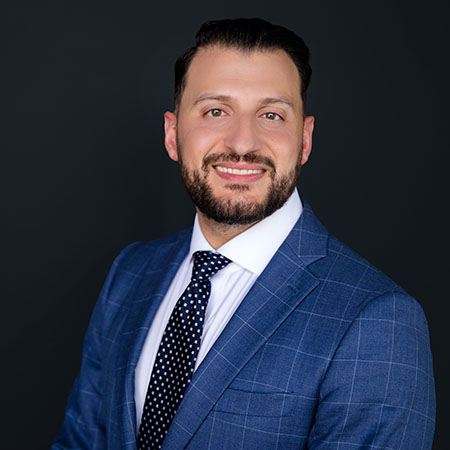
Spotlight Series Topic: Spine Surgery
Guest Name: Brian Handal
Guest Credentials: DO
Discussion Details: In this episode, Dr. Brian Handal, an orthopedic spine surgeon, discusses common back issues, MRI interpretations, surgical options, and how emerging technologies like AI and 3D printing are transforming spine care. Perfect for anyone curious about back pain and treatment options. In this episode, we explore the latest in spine health, minimally invasive surgery, physical therapy, and the role of alternative treatments like dry needling and traction. Our experts share insights on preventing back pain, surgical options, and the importance of a holistic approach to spine care.
Benefit of Watching
- Common causes of back pain and when to worry
- MRI interpretation and incidental findings
- Surgical options: fusion vs. disc replacement
- The role of AI and 3D printing in spine surgery
- Psychological aspects of revision spine surgery
- Differences between orthopedic and neurosurgeon spine specialists Minimally invasive spine surgery techniques
- Role of physical therapy pre- and post-surgery
- Dry needling and its effectiveness
- Traction and decompression therapies
- Prevention and causes of back pain
- Genetic and mechanical factors in spine degeneration
- Importance of holistic health in spine care
Address of guest’s business:
DMOS Orthopaedic Centers 6001 Westown Pkwy, West Des Moines, IA 50266
Dr. Bryan Ladd: What’s up, Des Moines doc? Lad here with the Fit Mind podcast, the podcast where we sit down with the people helping Iowans feel better, move better, and perform better today. I’m joined by Dr. Brian Handal, an orthopedic spine surgeon at DMOS specializing in minimally invasive spine surgery, artificial disc replacement robotics, and some of the newest technology shaping spine care. In this episode, we’ll break down back pain, sciatica, herniated discs, and MRIs. When surgery is actually necessary and how AI and emerging technology are changing spine surgery. If you’ve ever wondered whether your back pain is something to worry about, where the surgery can be avoided, or what a spine surgeon wishes you knew before walking into your, into their office, this episode is for you. Dr. Handal, welcome.
Dr. Brian Handal: Hey, thanks for having me.
Dr. Bryan Ladd: Absolutely. All right. So before we get started, I’ve got to know this is kind of my burning question here is most of the orthopods I know don’t want anything to do with the spine, so I’m curious, what was it about the spine that drew you to surgery there?
Dr. Brian Handal: Yeah. So whenever I was a medical student, I actually, whenever I was in my family medicine type rotation, which they typically make you do, I was introduced to orthopedics through a spine surgeon. So I thought spine surgery was orthopedics. I had no idea.
Dr. Bryan Ladd: Yeah.
Dr. Brian Handal: So I did some of my first rotations in orthopedics and spine surgery, and I just loved it. And then when I got into orthopedic residency, the whole thought process, I was going to do spine surgery. But then I got introduced to hand and joints, and I really loved joints a lot. But then when I started, when you start doing these rotations, you kind of get a feel for like the things you want to do for the rest of your life. And for me, it was, I would see a person come in my office, and when it came to knee pain, there was only a couple of things you could do.
You could scope it, you could replace it, you could inject it. That was it.
Dr. Bryan Ladd: Yeah.
Dr. Brian Handal: With spine, it became more of, I had to really, really, if you wanted to do a great job, you had to really dive into what that patient’s goals were. What did they want to get back to doing? What are their comorbidities and what their overall lifestyle is like, family support, job, things like that. Because it doesn’t cut all the same. And so I was able to see how I could do a minimally invasive surgery, maybe for something temporarily or something even more, as, you know, if someone had a severe scoliosis, I’m doing a large surgery. So there’s a big spectrum to spine surgery, and it was all a cart menu that you could do for a patient to change their life, which really, really attracted me to spine surgery.
Dr. Bryan Ladd: Okay. So to break it down a little bit more for the listeners, spine or orthopods aren’t the only ones that do spine surgery. So like when I was in Okinawa, the neurosurgeon was the one that did, as I said, orthopods there wanted nothing to do with it, but our neurosurgeon was the one that would do any of the back surgeries. So can you give us a breakdown of like, what’s the mix of surgeons that are doing that?
Dr. Brian Handal: So I mean, orthopedics, I would say it’s probably most neurosurgeons are going to be focusing on cranial, so brain, things like that. Now there are some neurosurgeons that simply just focus on spine. And so, like the Iowa clinic here, they have great spine surgeons that are neurosurgeons; all of them are neurosurgeons. And some of them are specifically vascular, and they do mostly brain and clipping and aneurysms, but a lot of them focus on spine. Like my training, my fellowship was 50% neurosurgery and 50% orthopedics. And so a lot of my training, even though I’m an orthopod, was actually by neurosurgeons. And so I think when, if you have a patient that’s going to go seek out, you know, a, a spine surgeon for whatever consultation. I think that’s important to figure out whether it’s an orthopod or a neurosurgeon is what was your exposure to spine surgery? Because you’re a neurosurgeon. I know some neurosurgery residencies that actually had very little spine surgery exposure, and a lot of it was cranial. So it just really depends on where you’re at. But we do this, the wide breadth, I would say that probably the only things I don’t do are going to be like spinal cord tumors and then like at the occipital cervical junction and that region for spine surgery. So that’s, that’s a referral out.
Dr. Bryan Ladd: Yeah, exactly. Okay. What would you say the hardest operation you’ve performed?
Dr. Brian Handal: So the hardest operation I think is, you know, that’s a loaded question. I think a lot of it has to do with just revision spine surgery; it’s, you know, a love-hate relationship for me. When I got into town here two years ago, I had to kind of break into the market cause there were spine surgeons here. And so coming from Florida, the spine capital of the world, a lot of what we did was revision spine surgery. And so I felt like that was a kind of a missing facet here in Des Moines. So a lot of my practice when I first started was actually just revisions. And so those are the most difficult, whether they’re small or large, because you’re, you’re taking, there’s a psychological component to it. The patient already has an outcome that they’re not happy with. And we’ve got to break that down of what happened there and then bring them hopefully to a favorable outcome depending on what’s kind of going on. So it’s not actually the surgery itself. It’s actually the relationship and the psychological barriers to get the patient back to their life. I think those, those are the most difficult. Cause I, those are the ones like you got mom and dad in the room, you got brothers and sisters, the whole family’s there, and you’re trying to really, really connect with, with the patient to build that trust bridge back. That’s very, very difficult sometimes.
Dr. Bryan Ladd: Yeah. I would say the same from a physical therapy standpoint for your chronic low back pain patients. It’s, it’s difficult. It’s like you said, there’s a lot of the psychological component more than I would say more than the physical component or a good mix of both, you know?
Dr. Brian Handal: Right. Exactly. Like, like an ACL, right? Like you get an ACL and a young athlete, you know, has this textbook surgery and then you’re, you’re getting them cleared to play, and a lot of it’s going to be psychological to get them back on, on whether it’s the pitch or the court. It’s a lot of it’s like, you can trust your knee. Don’t worry. It’s, it’s good to go. We did this in the gym, and a lot of them, it’s very difficult.
Dr. Bryan Ladd: Yeah. Yeah. I didn’t know that you mentioned that. I just had an ACL patient the other day that we’re working on just going up and down a step, and she’s like, I can’t do it. I can’t do it. And five minutes later, she’s going up and down the steps over here, 10 different times, and I was like, you could do it the whole time. It was just, it was all in here. And so, yeah. And back pain, it’s just, it’s debilitating at times. And so when you live with that for so long and then, you know, then it’s like, well, do I have surgery or not? And like you said, if we’re going for a revision, like there’s a lot of layers to all that that you’ve got to uncover. And so, yeah, that could be very hard. So you’ve got a background in molecular genetics and software development. So how is that a little bit different from surgery? How has that influenced your surgical approach?
Dr. Brian Handal: Yeah. So, so let’s rewind. I’m, I’m, I’m a little bit older than some, some, some people that come in; I’m 38 years old. So I had another life where I was working in Houston, Texas, at MD Anderson. And we were working on next-generation sequencing. So like, whole-genome sequencing. And so there’s these new platforms where we take your DNA, and we do cancer research and things like that. So essentially what I was doing is I was building a, like, a platform where I would take a patient’s blood, put it in a system, it would analyze their entire DNA, and then I was able to find what your risk is for developing certain cancers. And so how that kind of, if you see the parallels in spine, I was- you have to kind of condense a lot of data in a very short amount of time and then find treatment protocols for that. Very similar to spine. I have, you know, 30, 45 minutes to sit down with a patient. They want to tell me their entire life story, you know, but I have to condense that, and I have to speak it back to them in their language and then kind of figure out a treatment protocol for them. So there are some parallels there. But when I was- my mentors at that time at MD Anderson, that we were doing all the software development, and they were like, ” What are you doing? Like, you just go become a doctor. And I was like, well, maybe I’ll become a geneticist. Maybe I’ll be a pathologist. And they were like, no, you don’t want to do this. You go, go, go find what you love. Go, go, go to medical school. You’ll, you’ll do great. And so I took their advice, and here I am.
Dr. Bryan Ladd: Yeah. So now I was also reading, you were a professional violinist. Yep. Was that at the same time or?
Dr. Brian Handal: No, no.
Dr. Bryan Ladd: So life as well, different life as well.
Dr. Brian Handal: So keep going back, you know, all the way to high school. I, you know, I, I started playing the violin when I was seven years old and, and my, my parents, you know, they never graduated high school or anything. And so for them, they wanted me to achieve the highest level of education. So, and you know, they’re, you know, they’re immigrants. And so they, they thought, well, how do we do that? Well, let’s get him on the violin, you know, classical music, you know, that’ll, that’ll help, help them develop his hand-eye coordination and things like that. So it was just something I love, and I continued, and I played at Carnegie Hall. I won the, I won the BET Jazz Award. You know, there were all these kinds of great accolades that I was able to achieve. And I was, I was playing with the Houston Symphony whenever I was living there. And then at the time they had- I was going to go on to become a concert violinist, but they were on strike. The state of Texas actually reduced some funding for the Houston Symphony. And so it was a decision. Do I, you know, go to college or do I go work with my dad at his car shop or, you know, do I, you know, do I continue with this violin? And so I, I went off to college and tried to just, you know, figure it out. And
Dr. Bryan Ladd: Yeah, I did. Find, find your path, huh? So we’ve talked about it a little bit already, but why does everyone’s back hurt? Yeah. Yeah. I know that’s a broad question.
Dr. Brian Handal: Broad question, right?
Dr. Bryan Ladd: Let’s get into that.
Dr. Brian Handal: So, so many things. And when I, when a patient comes in and they just want to talk about their back pain, you know, I, I first, I, the last thing I want to do is try to normalize it for them. I want to hear them out because when I first started, I thought it was very appropriate for me to say, well, I have back pain too. What’s so different about that, and that already creates a confrontation. Right. What’s so different about your back pain? And so obviously this patient has come in here to trust me, to tell me their story. And so a lot of times I’m kind of, what I want to know more about when it comes to their back pain is when is it happening? It’s not very helpful. So for the patients listening, it’s not very helpful. You tell me it hurts all the time. It doesn’t; it can’t hurt all the time. There are certain motions that you’re particularly doing. And I, I’ve done a lot of research because this is, there is no clear-cut reason why back pain is so prevalent, because there are so many reasons. One of them can be genetics. One of them can be weight. One can be diet and inflammation.
Dr. Bryan Ladd: Yeah.
Dr. Brian Handal: But I do think that there is this whole spectrum that has to do with the pelvis. I truly think that a lot of back pain is driven by hamstrings and pelvic morphologies, and I think that drives a lot of back pain because if you think about the whole axial skeleton, I’m looking at one of your skeletons over here in the side of the closet, it’s, it’s, it’s literally the whole skeleton is one big pendulum and it’s, it’s big tension bands, and so if your hamstrings are tight, that pulls on your pelvis, which pulls on your low back and your multifidus and everything, it’s tight. And if your core is not weak, then you hunch over. It’s just, there’s just so many things in play and it’s very complex. And so it’s not just about the bones and the disc and the nerves is there’s a whole other path of physiology around it than, than, than just the spine itself.
Dr. Bryan Ladd: Now, a lot of the other surgeons I’ve talked to have said, you know, a large percentage of their patients don’t end up getting surgery. Is that the same in your situation?
Dr. Brian Handal: Yeah, exactly. And that’s why, like, again, when, when you have back pain, when you go to see a spine surgeon, which definitely should not be your first stop, because I always tell patients, like, I’m a hammer, you’re a nail, you know, like you come into my office, I’m a surgeon, we’re, we’re the thought processes, we’re going to be talking about surgery, but the reality is, is that there’s most of the patients that are getting surgery have exhausted so many things prior to getting to my office, whether it was physical therapy, injections, other previous, maybe minimally invasive pain management type procedures. So as far as why patients don’t go to surgery is because a lot of it is treated non-operatively without any surgery. Like myself, I have a spondylolisthesis or a slip in my back, and I’m just talking to my partner today because he has back pain. And so we’re going through different types of exercise. I do certain medication regimens that I do as well as TENS units and stretching that helped me get over my back pain so that I can do what I love, which is spine surgery.
Dr. Bryan Ladd: Yeah. Yeah, absolutely. Let’s talk about MRIs a little bit, because that seems to be a pretty scary topic. And it seems like, you know, there’s a lot of research out there that shows that, you know, just because there’s a herniated disc or spondylolisthesis or something on that MRI that, you know, it’s, it’s a big, scary thing. And people kind of freak out when they read those things, but it doesn’t necessarily mean there’s pain or that they’ll need surgery, but it’s a very confusing thing for patients, I think. So, can you talk about that a little bit?
Dr. Brian Handal: Yeah, I just, I did a social media post on this not too long ago that said that your MRI is lying to you. Yeah. It’s because, you know, when a radiologist reads the MRI, they’re just being comprehensive. They’re talking, and there are so many things that are fine incidentally, whether it’s a neurofibroma, like a small benign spinal cord tumor, and then patients think, oh, that may be why I’m having back pain. Sure. Or maybe it’s just some fluid in the facet or, or, or something. And so, what’s more important about the MRI is talking to a clinician, whether it’s a pain doctor, a family doctor, or a spine surgeon, or an MP or PA, about what you’re experiencing and then matching the symptoms to the MRI versus the other way around, which is like, let me look at the MRI, let me try to find it on you, you know, kind of thing. Because the likelihood is, I see so many patients with completely normal MRIs and they have debilitating back pain. And then I get these patients with severe degenerative disc disease, arthritis and scoliosis, and I think they’re about to talk to me about back pain. And all they want to talk about is that they just have a little bit of nerve pain and they have zero back pain. And I’m like, how does that make any sense? And so, the reality is, what’s more important is just talking about the clinical. Because I really, you know, it sounds crazy. I don’t really care what the MRI looks like. What I care about is the patient in front of me and then trying to match their overall functionality to that MRI.
Dr. Bryan Ladd: Yeah, yeah. It’s so interesting. I remember a time in Okinawa talking about spondylolisthesis; I had this patient and had some back pain, got an X-ray, which isn’t the first step either. But we did, and, you know, it’s like hanging on the cliff here. And I kind of freaked out because I was like, oh, I’ve never seen one that bad. And so, that was one I was like, I’m gonna call up to the neurosurgeon. He was a floor above us. And so, I called up, and he saw the patient pretty quickly. And he even said to me, he’s like, that was pretty intense. But he did his exam, and he’s like, she has like no issues, no neurological issues. He’s like, I’m not going to touch her until she starts. He’s like, I don’t know how she doesn’t.
Dr. Brian Handal: Yeah, yeah. No, it’s funny that you say that because we literally on Monday, we had a patient that came in who had what you’re talking about is called a spondyloloptosis, which is essentially a complete, almost dislocation of L5 S1. And it’s generally a genetic malformation of the spine where the spine slips so far, and there are different grades to it. But she comes in; all we have is an X-ray, right? That’s why it’s so important. So, I look at that X-ray, and she’s standing on the X-ray, and she’s standing upright. Lordosis looks fine. She just has a spondyloptosis. And I tell my PA, and she’ll tell you, I say, I bet you she has no back pain. And she goes, no, she has to have back pain. I was like, she may have nerve pain, but just go in there, maybe test out her hips. And then she goes in there, and she was like, can you come take a look? She says she had severe thigh pain that radiates into her butt. And I was like, okay. So, I go in there, I’m like, let’s get a hip X-ray, complete femoral head. She had been taking so many steroids for back pain and leg pain that the femoral head had completely developed what’s called avascular necrosis and collapsed. And so, now her hip was essentially subluxed. And so, now she needed a hip replacement, not a back surgery, but everybody was so focused on this back thing because they saw it on the X-ray that they completely forgot about looking at the whole patient.
Dr. Bryan Ladd: Yeah. Yeah. That’s a good, that’s a crazy story. That’s a different surgeon to you. Yeah, exactly.
Dr. Brian Handal: Yeah. So, we got them over to one of our hip docs, and they’re going to be doing great soon.
Dr. Bryan Ladd: Yeah. So, let’s talk about, you know, maybe some findings on MRI that are concerning, you know, when should, if someone’s seeing a physical therapist or maybe they’ve just seen their family practice doctor, they get an MRI, you know, I guess let’s back up a little bit, when should they get an MRI and then when you see something on that MRI that they would need surgery for, like what’s the next step there?
Dr. Brian Handal: Yeah. Yeah. So, first of all, again, this kind of goes, you know, just because I’ve been doing so much of it, when to get an MRI really depends on the incident of when it occurred. So, if we’re talking to somebody in the workforce, right? Yeah. And you have an injury during work. I would say it’s probably prudent for you to get an MRI right away, just because it’s more documentation. If you had a work injury, you need to get an MRI so that we can document it. Let’s get that off the table. Let’s say you’re just a normal human being. When you have back pain, leg pain, when do you get an MRI? Once you’ve trialed anti-inflammatories like ibuprofen, naproxen, Tylenol, you’ve seen your family doctor, you’ve done some physical therapy, because, to be honest, like, I have a slip in my back. I’ve trialed these things, and every time I think I’m right at the edge about getting an MRI, it all goes away. And so, if that’s happening, it’s probably not worth getting an MRI because of what we talked about. You’re going to find something. You’re going to find something incidentally. And then the question in the back of your mind is, is it something that needs surgery? And so, a lot of times it doesn’t. And so, a lot of times I’m saying, just exhaust those things. If we’ve got to get an MRI, then yeah, then we can sit down. But typically, once you’ve exhausted those first things, then that’s a good time to get an MRI so that we can start going down a different path as far as escalating the non-operative things that is related to back and leg pain.
Dr. Bryan Ladd: Yep. Let’s, let’s define some terms here. So, there’s a lot of different terms that we hear, you know, when it comes to the back. So, bulging disc, herniated disc, degenerative disc disease, stenosis. We’ve already talked a little bit about spondylolisthesis, but there are, a lot of them are scary.
Dr. Brian Handal: I got a model here. Yeah, I got a model here. All right. So, when it comes to disc bulges, right? Essentially, this is kind of like a pimple. This is the pimple that hasn’t expressed itself yet. It’s just a kind of a little protrusion. And so, when we look at the spine itself, like this is looking at your spine, front and back, we have the spine bones; we have the yellow is the nerves. This is the disc, which is the cushion in between. So, when this disc kind of protrudes backwards, that’s called a protrusion or kind of ballooning backwards into the spinal cord. When you hear disc sequestration or extrusion, that means it’s popped. It’s popped, and it’s now pressing against the spinal cord and has probably gone up or down on the spinal cord. So, those are the disc herniations. Degenerative disc disease is essentially what we see here. So, this is a normal disc, and then this is a degenerative disc, where the disc has completely gone away and collapsed. Now, it’s bone on bone. And so, now you can see things like the foramen, or where the nerve comes out here; the hole is now collapsed as well. And that can cause leg pain. This can cause back pain. So, this is degenerative disc disease. And we already talked about one of them, spinal stenosis. What typically happens when you develop degenerative disc disease is this disc is supposed to take up about 60-70% of your load in your back. But when it collapses, now the joints, the facets back here, start to take the load. They start to overgrow, develop facet arthritis, and then some things can start to happen. You can get leg pain. The foramen can get stenotic, or the spine can start to slip forward, and that can also push on the spine. So, that’s called a spondylolisthesis as well. So, those are kind of some broad terms that kind of explain the pathology of the spine.
Dr. Bryan Ladd: When, now tingling numbness down the leg, like that’s very concerning. We get that, you know, we get patients in here a lot of times that have that, and it’s so common in here, but it’s not necessarily common for the everyday person. You know, it’s very concerning when that happens to them. And so, it’s something that we try and provide some reassurance to them and, you know, educate them on what’s going on, what that tingling numbness means. Do we have any motor weakness? Can you talk about that just a little bit? You know, maybe what can cause that first off and then when that becomes more of an issue, can we be concerned and seek further care?
Dr. Brian Handal: Yeah, great question. So, essentially, when you start to develop sciatica or radiculopathy and everybody knows the word sciatica, which is like pain going down your leg, that’s typically due to one of those things we talked about. Maybe it’s some facet arthritis that’s protruding and pushing on a nerve coming out into the leg, or it’s a disc that’s pushing on that side going down into the leg. So, those can present with that pain going down, but sometimes it’s not even pain. Sometimes it can be numbness. The reason why some patients have pain versus numbness is really an inflammation or tingling; it’s an inflammatory response. Typically, when it’s acute and it pops or it’s pinching the nerve really hard, the nerve tends to swell. And when it swells, that’s called radiculitis. That will present with pain going down the leg. But if it’s more on the chronic side, it maybe hasn’t pinched, but it’s just pushing on it, you’ll get just a tingling down the leg. So, those are the acute, subacute, chronic, up and down kind of things that we see when it comes to nerves. So, now, when you already mentioned one of them, when does it become more of an emergency? Well, when we start to have motor weakness, meaning like a foot drop or a lot of times it’s not even the patient that knows it. That’s why I love having, like, a partner or spouse that’s in the room. Because usually they’re like, ” He’s tripping all the time. Or she, I tell her, you know- pick up your legs, you’re dragging them. And so, like, those are very, very helpful because sometimes we can’t, a lot of times, articulate that on examination. We just say, we’re getting older. I’m just clumsy. No, that’s not always true. And then one big one that we always think about that should probably take you to the ER is cauda equina. So, that’s a scary one where the disc is so large, it is completely occluding the major spinal canal and completely compressed where now you have loss of bowel and bladder, you know, and you have numbness in your groin and things like that. So, those can be very, very scary. But the crazy thing is, is we see that a lot in women who have pelvic inflammatory disease and some other issues with maybe their bladder, like they’ve had a previous bladder stimulator or bladder sling. So, that’s why it’s important to have a provider. If these symptoms are happening, go to the emergency room and get evaluated; it’s not that anybody’s writing off. Maybe we’ve just kind of ruled that out, and it’s time to see someone else.
Dr. Bryan Ladd: Sure, sure. Okay, how often does cauda equina happen? You know, I’ve seen it, I don’t know, less than a handful of times throughout my career, but it does happen. And so, I try and provide some education to patients just to, you know, not as a scare tactic, but just as a warning, like, hey, if this does happen, like, you need to go to the ER or get it looked at
Dr. Brian Handal: But yeah. No, it is rare. It is rare. But as a spine surgeon, I obviously see it more often because we get consulted for it all the time as a possibility. Sure. But typically, a lot of times when I’m consulted for cauda equina in the hospital, a lot of times it is not. So, I’ll tell you that, again, it is very, it is rare. However, when we have an acute weakness, loss of bowel and bladder, and it happens, it typically draws us immediately to surgery to solve that problem because that can cause a permanent neurological problem down the road. And it’s not really about the weakness. It becomes more of a daily living problem, like bowel and bladder symptoms that can lead long term.
Dr. Bryan Ladd: Let’s talk a little bit about AI and some technology in spine surgery.
Dr. Brian Handal: Yeah. Yeah.
Dr. Bryan Ladd: How are we using that?
Dr. Brian Handal: Yeah, we use AI all day long, whether it’s going to help us in our dictations, whether it helps us on our scheduling. Sometimes we have, we have a whole interface right now at DMOS where we’re having a patient call in, and it literally sounds like you’re talking to an individual, but it’s an AI agent that is able to articulate what you’re having and schedule you in the appropriate place, whether it’s with a pain management physician, physical therapy, or a spine surgeon. And so, those are like the interfacing AI things that we’re currently doing. Other things that I’m currently using AI for are actually going to be for surgery itself. And so, a lot of that has to do specifically with implants. So, a lot of what we’ve heard about specifically with spinal fusions is that we use these off-the-shelf cages that we use to help open up disc spaces and hold them in place. So, these have been what we’ve used for a long time. Now we have the problem that those can lead to other problems on the road, which we can talk about if you want. But what we’ve had is that with AI, we’ve been able to run multiple computer algorithms on a particular subset of patients’ spines and kind of predict, is this cage going to fail or is this going to lead to a problem? And so, that allows us to build a cage that has reduced that complication problem. And I have one of those cages here today. So, like here, for example, is a cage that was made with AI technology and 3D printed, and you can see it kind of looks wonky, right? And so, this cage is made of special material, and it’s made specifically for a person’s spine. And so, when we insert these, this is using AI to help develop a cage for a patient’s spine.
Dr. Bryan Ladd: That’s pretty cool. I was going to ask about 3D printing too, so I’m glad you mentioned that.
Dr. Brian Handal: Yeah, so this is a new company that’s come out, and there’s going to be multiple coming up, but this is just a very, very small portion of it.
Dr. Bryan Ladd: Yeah, that’s, that’s pretty neat. Now, how, you know, disc replacement versus fusion, can you kind of, I guess, explain what those are and when they would be indicated?
Dr. Brian Handal: Yeah, so again, kind of going back to surgery in general. So, once you’ve exhausted physical therapy, anti-inflammatories, medications, pain management, which can be an epidural, can be trigger points, things like that, even spinal cord stimulation, all these things. At that point, if you failed all that and your activities are still very, very functionally limited, then you can consider spine surgery. So, there are things like laminectomies, which is just essentially an opening or decompression of the spine, or a fusion. So, a fusion, like I have a model here, is this. This looks scary, right? So, you got screws, rods, cages, you know, here’s a cage right here. And so, these are placed around, really, because what we’re doing as spine surgeons is reconstructing the spine. So, if we have degenerative disc disease collapse, this is kind of, I always talk about it for a patient, like a collapsed foundation at your house, you know, I got to restore that. I got to go in there, I got to take out the foundation, I got to put in new, and I got to hold it all together. So, that’s what spinal fusion is. The problem with spinal fusion, right, is what we know: this works, but what happens is now that force has to go somewhere. And typically, what happens is it goes to the SI joints, it goes to the hips, and it goes to the level above or below a fusion. And so, that’s called adjacent segment disease. So, sometimes we have- there’s nothing we can do. We have to do a fusion for things like a spondylolisthesis or a slip in someone’s back. Or someone has a severe scoliosis that needs to be opened up, and so we can decompress nerves. That’s when we’re using fusion. There’s just, we’ve kind of, there’s no room for motion preservation like disc replacement. But sometimes I get patients in my office who have a pretty good-looking back overall. They don’t have a lot of scoliosis. They have minimal to no slips in their back. And then we can do things like disc replacement for someone who has primarily low back pain. And this is where we’ve identified that the patient’s pain is actually coming from the disc itself, okay. And so, a disc replacement is where we actually go through the front of the belly. So, I use a vascular surgeon to get me to the front of the spine because we’re not, what I try to avoid as much as possible is taking down someone’s back muscles. So, when we do surgery, we have to obviously go in through the back. We take down the muscles, but that’s trauma. That’s taking down good mechanical, sparing loads into your back. And so, if we can go through the front, we can do very, it’s very muscle sparing. We can go in, take out the disc, and then we place this implant in. So, this implant is essentially a device that’s made of three pieces: cobalt chrome and a piece of plastic that still allows for motion, okay. But this is not for someone who has scoliosis. It’s not someone who has osteoporosis. This is not someone who has a slip in their back. This is someone primarily with what’s called discogenic back pain. But the problem is, is what I’m currently encountering is that patients over 60 don’t even qualify for disc replacement. Medicare won’t pay for it. And so they’ve classified those patients as unindicated for disc replacement, which is just it’s imagine telling a 60-year-old, I can’t do a knee replacement in you because you’re too old. Yeah. That would be crazy. The majority of our patients seek to get knee replacements.
Dr. Bryan Ladd: So, yeah. Yeah. Interesting. So, is that something that they can pay out of pocket for then?
Dr. Brian Handal: if they we we’ve we’ve you know, it is there; they can be expensive surgeries and so you know I think there are subset of patients. I haven’t encountered that yet. I haven’t offered it yet. Sure. But again the the reason is most of the patients as we get into you know 65 70 75 typically we start to develop slips in our back we start to develop adult degenerative scoliosis. So that’s why they’ve kind of you know, drifted to hey maybe this is not pushing the indication of disc replacement. Sure. And so that’s why. However, there are plenty of patients who are 60, 65, 75, even 80 who have pretty good-looking backs and they just have discogenic back pain. So, I think throwing those patients into a bucket kind of, you know, it’s unfortunate.
Dr. Bryan Ladd: Yeah. Put them in a silo, right? Exactly. Yep. I get that. One thing too I didn’t mention earlier, we always tell people, like you know, whether it’s arthritis or maybe a bulging disc or something on the MRI, like oftentimes just like wrinkles on the skin like as we age like they’re they’re going to be there. Exactly. Doesn’t mean it’s going to cause problems later on or not. But yeah, like it is it is what it is.
Dr. Brian Handal: Exactly. I mean, I I I can’t tell you how many patients I see in my office who come in, they we’re talking about their MRI, and a lot of it’s me just calming them down. I use that same example. This is like wrinkles on a skin. You know, this is this isn’t your your spine is just aging. This is typical most common levels. And so, a lot of times I’m going to send you for an injection, some physical therapy, and I never I feel like Martians take you guys somewhere. I never see you again because you guys get better. So it’s it’s usually when you’re seeing me, I’m the first line of defense to prevent surgery [laughter] actually. So that that’s a lot of time that happens.
Dr. Bryan Ladd: Yeah. Talk about endoscopic spine surgery. What’s that all about?
Dr. Brian Handal: Yeah. So endoscopic spine is it’s been around for a very long time. I know that in in America it may not be, you know, that old, but it’s been in like places like South Korea for 10, 20, 30 years now. Okay. And so endoscopics has just made an emerging market here in America, which is essentially where we’re doing, if you’ve heard of people’s knees getting scoped, their shoulders being scoped, we’re using that same material. So I’ll use a hip scope or a knee scope to scope someone’s spine for the same reason we talked about spinal fusion cuz I hate taking down someone’s muscle to do any sort of surgery. If I we when we used to do rotator cuff surgery, we used to do them open. We used to open up people’s shoulders, tack down the rotator cuff with anchors, but what did we find? People start to develop atrophy of their deltoid because we were taking down that muscle there. So then they found a different way to do it through poke holes. And so that’s what we’re finding with the spine as well. If we can do it minimally invasively through just some poke holes, then we can decompress the spine a lot of the time without having to do a big surgery, which is stripping down all that nice muscle.
Dr. Bryan Ladd: What type of surgeries would you do that with that?
Dr. Brian Handal: So typically, like we talk about framinal stenosis or where the foramen, where the nerve comes out is kind of pinched. I can go in there with a camera and a small burr and just open up that hole there. That’s one of them. A disc herniation is a great indication for this where we can go on one side of the spine make a little pilot hole in and this is done through an incision that’s probably less than 1.5 cm and you’re going in and you’re you’re just plucking out that disc or just central stenosis. So someone just has like the li, we didn’t talk about the ligamentum- but there’s a a piece of tissue that sits behind the spinal cord that tends to hypertrophy or get bigger with time with arthritis. And so we need to take that out to help decompress the spine. So I that’s another great indication for endoscopic spine surgery.
Dr. Bryan Ladd: Okay, nice. Where’s physical therapy fall in all this? I know we talked ablittle bit about like, hey, pre-surgery maybe going to the surgeon isn’t the best thing. We can look at the medication, physical therapy, injections, things like that. But what about after surgery?
Dr. Brian Handal: Yeah. So, I I actually I’ll step back. I love physical therapy prior to surgery. And a lot of it, once again, because a lot of times it can be resolved. Now, a lot of times I I have a patient that’s come in my office. They have some symptoms that are fairly chronic, and I know they’re probably headed down to surgery. Sure. So, a lot of this is what we call prehab. Like, I tell them, look, you’re pretty deconditioned. I need you to start doing some things with physical therapy. Not because I think it’s going to make you better, but because I need a baseline. I need to know where you’re at currently because you’re so deconditioned. I need some objective measures of what you’re currently doing on a daily basis. And then the physical therapist sends this back to me and I actually talk to them on the phone and I’m they’re like, “Oh yeah, this is not good. We’re going to need to fix this,this, and that for the patient.” So that’s one aspect before. And then after I typically start physical therapy and I have different protocols for that but typically I’m starting at about 2 weeks and a lot of physical therapy after uh spine surgery regardless, starts with range of motion uh edema control and just kind of pain management sort of things like dry needling tens units massage things like that. So that’s what I utilize initially with physical therapy. And then typically around that 6 week mark, I start some strengthening. Um because now what I tell patients, I’m going to break you down. I’m going to start from scratch. So I’m I’m taking everything down. I’m I’m going to start you from scratch. We’re going to start with range of motion stretching and then we’re going to build you up and strengthen you all the way up into three months. So that’s how I use physical therapy after spine surgery. I think that prehab, I mean I I mean obviously I’m biased as a physical therapist.
Dr. Bryan Ladd: I think prehab is a huge component though too, not just for spine surgery, but for for everything. You know, we always tell people or I tell people, you know, if your baseline’s here and you have surgery, you’re going to drop, right? But if we can strengthen you up, build your tissue tolerance to here, right? You’re still going to drop, but now hopefully it’s above where you were at the start, right? And so you’re just in a much better position, right? Post-surgery and recovery becomes a lot easier afterwards.
Dr. Brian Handal: So yeah. Yeah. And you know to be honest this you know goes back to you know a therapist that’s that’s a special relationship that it’s very personal relationship and so when a patient sees me I both of us have to work at this like I got to do a good job in your surgery and you got to be a good patient. Sure. And so like if if I’m sending you to therapy I’m trying to get you bought in on your protocol. If I have a patient who’s very reluctant on doing therapy and very reluctant to any non-operative care, it’s probably not going to be a good patient that’s going to do well with surgery. And that’s because this is a two-way street, right? I I I’m trying to make you better, but it’s not going to just be me. So, I have patients where I do these very large spinal fusions and scoliosis corrections and we’re at a year out and they’re happy. They’re hugging me. They’re, “Thank you for everything you’ve done. I couldn’t have done this without you.” And I stopped them right there. I was like, I was a very small portion. I know that we did a big surgery on you, but you have your pain doctor, your therapist, you have you and everything that you put into this. There’s so much that has gone on behind than just me. I know that there’s an X-ray that’s taken and it looks nice and all this stuff, but there’s so much has gone up to this point. A lot of I give the credit back to the patient because they’ve done such a great job sticking with the regimen.
Dr. Bryan Ladd: Yeah, absolutely. We I mean, obviously we don’t do the surgery but from the rehab standpoint, you develop a big relationship with these patients and you know they a lot of times they’re happy at the end they’re thanking you and you know they’re they’re really appreciative but it’s at the same time it’s like well you did the work I didn’t like I’m just sitting here telling you what to do like you got to do it.
Dr. Brian Handal: Right. Exactly. Exactly. And and and therapists are honestly great advocates because a lot of times as as a spine surgeon, I I become busy, you know, like I you you’re coming in for your postoperative visit. I see for just a snapshot in time where we’re maybe talking about what you’re currently doing pain-wise, what your work life balance is kind of looking like, and then you go right out the door. And then sometimes I get a message from a therapist says, “Hey, you know, John is not doing well. I I saw him two weeks ago. He was doing pretty good. He’s regressed. Something’s happened. Hey, do you mind getting him in here so that you can kind of evaluate? And that kind of my red light starts going off. So then the patient comes in and they’re kind of, you know, maybe a little pissed off. And they’re like, hey, you know, I don’t know what I’m doing here, you know, and I’m like, well, you know, your therapist thought that something’s wrong with let me evaluate you. And sure enough, we find some weakness or something. Yeah. Yeah. Then we get, you know, then I’m ordering an MRI right away after a surgery and then starting to see maybe we have another disc herniation or re herniation or something’s happened after surgery. And those are are very important to me after SP because you guys do such a great job being so objective in in your measurements. And so when there’s a regression, that’s something that needs to be taken seriously.
Dr. Bryan Ladd: Sure. Sure. I want to talk about a couple things that I’ll give air quotes controversial. I guess controversial more in the sense that like maybe research doesn’t show efficacy. You mentioned dry needling. Uh that’s something we do a ton here, but when you look at the research, it’s not great. Yeah. So, I just want to hear your thoughts on it. Yeah. You know, some people are very against it. It’s like, well, you know, you’re just stabbing someone and it’s a placebo. It’s like, well, if the placebo is working, then Right.
Dr. Brian Handal: Yeah. I mean, there’s so many placebos in medicine, right? And when it what I try to explain to patients, um, when it comes to research itself, right, this is this is in a vacuum. you’re you’re taking the perfect patient, the perfect ideal surgery, everything, and then the perfect diet, the perfect health, everything coming into place. So, when I talk to a patient about certain therapies like dry needling, I tell them, look, in my experience, this has been very beneficial even for myself cuz I’ve drawn dry done dry needling and trust me, I won’t do anything that hurts cuz it can hurt sometimes. I’m not going to do it and keep doing it just cuz it doesn’t work. And so there there are certain things in my practice that I find that hey dry needling specifically helps with, specifically with spinal fusions after you know 6 weeks of deconditioning that muscle’s atrophied and scarring down. We got to break through that scar tissue. We need some muscle activation because the tip typically the patients they’re coming in they’re bent over because their back is all spasmed and I think dry needling really helps for that. And it’s very similar to me to acupuncture and then there’s different aspects of like acupuncture like superficial and deep acupuncture. Now that deeper acupuncture does take a specialist to do. You can’t just have anybody do it. But I just don’t think we’re there yet. I I I don’t think we’re there yet in the sense of research to really dial in the patients that are going to do well with it and whether it’s placebo or not. Yeah. So I think just like a lot of things that we have in medicine like GLP1s, you know, like like weight loss medications that now we’re finding that now people are saying that some of it cause Alzheimer’s and things like that [snorts] until we we have longer data and better patient sets. I think it’s very hard to just say that’s a placebo. Sure. So I I think if it helps some of my patients then perfect, I’ll use it.
Dr. Bryan Ladd: Yeah. So give you some background on on me a little bit. I was in the Navy before this, did a residency and part of that they sent us down to Fort Sam Houston and we did a lot of different things, but one of them was we got certified in dry needling and the faculty for the residency were all the Army Baylor uh physical therapy faculty. And so a big part of what we did, you know, every we went body part by body part, you know, we’d go to the classroom and they’d say for back pain, here’s all the research we have for back pain and dry needling, right? And then we’d go to another lab where we had proected cadaavvers and we’d practice. And then we go to another lab, we’d practice on each other. And so after like nine days going through the whole body getting certified in this, I was sitting there like, why are we doing this? Like none of the research really supports this. And so I was like, there’s there must be something to it. They wouldn’t have us do it if there wasn’t. But also like the research doesn’t support this. I’m like, I don’t get it. So my whole plan is I was like, I’m going to go back. I was in Washington State at the time. I was like, I’m going to go back to the hospital there. I’m going to get certified. put it on my fit rep for the year. I’ll look good. I’m never gonna use this again.
Dr. Brian Handal: Yeah. Yeah. No, I think it’s when it just like a lot of things in in medical practices, right? It’s just the modalities that you offer. Yeah. You know, so again, this gets patients bought in on over their protocol. So, if I can get a patient that’s going to be consistent with something, I think overall they’re going to do better. Whether like if you wake up like you’ve heard if you wake up every morning and you make your bed for 90 seconds and you drink a glass of water your whole day is going to be better right and this is very similar. So I I tell patients you’re going to do this and it’s kind of like Pavlov’s you know theory like if I can do this to you and you can do this every time maybe you end this this with this is kind of like your treat at the end of it and so it I think it just builds consistency for some patients and some patients it doesn’t work for. So I I think all no matter what it is, I think consistency is key. What whatever you’re doing, whether it’s physical therapy, medication, and just just the consistency of itself. So you consistently get dry needling and you believe in dry needling, it probably is going to work for you.
Dr. Bryan Ladd: Yeah. Yeah. A lot of people love it. And that’s what I found too as I was getting credentialed for it. It’s like there was things that it I could just general physical therapy that should be helping was not helping. Yeah. And all a sudden I stick this needle in there and they come back and they’re like, “I don’t have any pain.” Like what are you talking about?
Dr. Brian Handal: Yeah. Exactly. I mean, it’s just like TENS units, right? Like TENS units like, you know, like some people just love that sensation of that muscle contraction and some people cannot stand it, you know? So, again, this is a subjective thing, too. So, some people I just feel like they cannot tolerate dry. I just do not they say it makes it worse. Sure. And so that and then there’s you just find that subset and it’s a modality you offer. That’s great.
Dr. Bryan Ladd: Yeah. Yeah. Absolutely. Now, one other thing I wanted to ask you about, physical therapy has been using it for ever, and now it’s kind of got rebranded. I see it mostly with chiropractors, traction. So, lumbar traction or cervical traction. Yeah. You’ll hear it as decompression. They’ve got these decompression tables and they’ve got these like big elaborate things and it’s like it’s marketing. Yeah. But it’s really hard to tell people that when they come in, they’re like, “I’m going to go do this.” And you’re spending two grand. It’s like, well, physical therapy will pay for that. Like, I don’t have it here. But some clinics do you can bill for it. But that’s another thing where at least for me I found you the research doesn’t really support it, right? But I found like for the right person it makes all the difference. Like I’ve had people get off those tables and ask like where do I get this? Like I want to buy one for home, you know, this feels great. And so talk about that a little bit. Like what’s your thoughts on it?
Dr. Brian Handal: And I mean I I think you know personally I think it does work but again it’s it’s it can be expensive depending where you go. So I tell patients I’m because some of them just they love chiropractic and I I I utilize my chiropractic colleagues a lot. Yeah. But I tell them like look from my standpoint just like stem cells and things like that. It’s very hard for me to sleep at night knowing that I paid a lot of money for something and tell myself it didn’t work. I got to tell it’s got to work cuz I just paid a lot of money for it. So I think there’s a placebo effect there for in a little bit of it. And then and then there’s the aspect of just the actual decompression itself. Some of these patients when you have degenerative disc disease that ligament taxis or that pulling does actually help. And so the problem is we live in a world of gravity. And so as we stand up and we start moving again it’s all going to go back down. So I tell patients I’m like look if you want easy decompression get an inversion table or just hook yourself upside down and then just stretch or hang from a bar and just bend your knees and just stretch yourself. Those are really cheap things that you can find at a playground [laughter] that you you can decompress yourself. The problem is we’re not bats and we can’t just live upside down forever. And so, but I I do think there is some something behind it. I just think I would personally wouldn’t throw thousands of dollars at it for the therapy.
Dr. Bryan Ladd: Yeah. Yeah. Like I said, I think it’s become more of a marketing thing. Correct. And you see some of these devices that are just like they’re huge. Yeah. And they’re elaborate. Like the ones we had like when I was in the Navy, they just they were tiny little things hooked up to the end of the table and you put the put them on the harness, but it’s the same thing. So, I don’t know. It’s kind of interesting, right? Yeah. No, absolutely. So, and I Yeah. I don’t want to throw shade at chiropractors. We like we’ve got chiropractors we work very closely with, too. I think that’s that’s a question people always ask me is like, yeah, you know, you must you must hate physical or you must hate chiropractors cuz you’re a physical therapist. And it’s like, no, like there’s good ones, there’s bad ones, but hey, there’s there’s good physical therapist and there’s really bad ones out there, too. So, it’s not that I ate them, it’s just right, you know.
Dr. Brian Handal: No, I I think again I think, you know, just like a therapist, just like a chiropractor, just like a physician, I I think there’s value literally placing a hand on a patient. I think that makes a big deal for patients cuz some patients just feel like they they just once you touch them, they just feel better. I don’t know what it is. And so I think chiropractics really really they they are very in tune with that aspect of medicine of just touching a patient feeling where the soft tissue rigidity is. Sure. But then you know there’s the the business side of it, right? And so you know whether or not that helps I don’t know if it works for a patient. I’ll advocate for it. I tell them does it help you? And if they’re like yeah I’m like go do it. That’s if that’s your priority go do it.
Dr. Bryan Ladd: Yeah. It’s it’s a a good place to start before getting your spine operated.
Dr. Brian Handal: Exactly. Right. cuz this is not the best option in the world, right?
Dr. Bryan Ladd: Yeah. Well, and I’ll tell people that. I mean, it’s 2026, but like it’s that’s a big surgery on your back. Like there’s places we can start Exactly. beforehand before we get into that.
Dr. Brian Handal: Yeah. And then the scary part is when I have patients honestly come in and they, you know, they they’re kind of defeated and and they’re the last place I tell patients you want to be is in a place of pain making decisions because people get desperate and they want to get out of pain. And I tell them like, “Let’s get you into therapy. Let’s start some pain management because once you’re thinking clearly, you can make some informed decisions before you just jump into a surgery that may or may not help you.” And so, yeah, I like to think I would do a good job, but just like we talked about, there’s a psychological component of it. Some patients I come in, they got bad disc, they got all these things going on. I start to ask them about their life. I’m like, “What’s, you know, what else? What do you do for a living?” “Well, I just got laid off.” “Okay, well, have you found a job?” “No, no, I haven’t.” and then they do therapy, do some injections, find out they come back, they got a job, and they’refeeling better. And so it’s like there’s a psychosocial component to back pain and stress and things like that. For sure.
Dr. Bryan Ladd: Yeah. Yep. Yeah. We we like to talk to people about the the pillars of health. So movement, obviously that’s our bread and butter, but nutrition, sleep, stress management, like there’s all all these things play into it, and it’s kind of a a vicious circle. If you don’t take care of one, it’s going to affect the other, right? Exactly. So Yeah. Well, is there is there anything we haven’t talked about that you want to talk about or you want people to know?
Dr. Brian Handal: I mean, I I think what you hit on there last, I I think is key. I I think just overall taking care of your body and it just comes back to consistency with diet, motion, stress management. If you can do a lot of these things, your spine, whether it’s the worst spine in the world or the best spine in the world, it’s going to find a balance. And if if if you’re having continued problems, see your physical therapist. come see us at Deas, we will take care of you. We’ll we’ll come out with a treatment protocol for you. But I I think a lot of the times people just need a diagnosis to move on with their life. So get diagnosed and then just move on. Find a treatment protocol that works for you. And a lot of times that doesn’t involve surgery. That doesn’t mean it’s the end of the road for you and there’s no one that can help you. That means that it’s probably not the best option for you. And that there’s another modality that’s probably been proven that’s going to work for you better than surgery. But if you’re offered surgery, I think that the last thing I or a lot of the times what I hear a patient, well, mom and dad had spine surger and they did they did not do well and um I’m really scared to go into the knife, doc. And I tell them that’s cuz you’re normal. If you’re scared to go into the knife, that means this is this means a lot to you, right? But spine surgery today has completely changed to what it was 20 years ago. And it’s become more minimally invasive. We’ve learned to do less is more type surgery. And so a lot of times if we’re offering surgery, it’s cuz we do believe it’s going to help you. But the caveat is if you’re going to implement all the other things around spine surgery to help you long term.
Dr. Bryan Ladd: Yeah. One thing I guess we didn’t talk about too before we wrap up here, uh, you know, what necessarily causes these different things. I know that’s a broad because there’s a lot of different things, but what causes these problems and how do we prevent it? Yeah. Or can we?
Dr. Brian Handal: Yeah. Some some of it is truly just genetic. I mean, a lot of times when I get patients in the clinic and they I’ll get I’ll get a 28-year-old just a terrible looking back and then I’ll start asking about mom and dad and mom and dad had a terrible looking back and a lot of it has to do with the soft tissue the collagen there are genetic components to degenerative disc disease and then it goes back to all the other things diet inflammation and then sometimes I get you know uh army navy guys who you know I get some parachuters that flying out of pain they have bad disc disease because they are spending all day just pounding on their back. This is a mechanical problem and so that can advance degenerative disease. So what can you do to prevent it are going to be core activation? I I I personally use a McKenzie protocol. I’m doing a lot of dead bugs all the time to help with my low back to keep my core strong. I working out, keeping your diet right, keeping your weight managed, all those things really do help. But then at the end of the day, back pain is so prevalent. spine spine in general surgery is so prevalent because it is a problem and it our backs are a mechanical device just like the cars that are sitting outside here. They’re brand new at one point you drive them long enough they are going to start having problems not because there’s something wrong with the manufacturer but it’s just wear and tear right and some of that we just can’t prevent.
Dr. Bryan Ladd: Yeah. Are you familiar with Stuart McIll? No. He’s a he’s like a researcher, spine researcher out of Canada, but he’s he’s got some different like the big the big three exercises, those those different things he’s very big advocate of. I guess where I was going with that is let’s talk like like weightlifting. Yeah. Squats, deadlifts. One of the big things he talks about is loading the spine under flexion. So he that’s a like that’s a no-go for him. Yeah. Yeah. Some people will say, well, we can progressively load the spine in flex positions and it’s not a problem, right?
Dr. Brian Handal: So, I guess what’s your take on all that? I think the again this goes back to my my concept of p pelvic morphologies. Mhm. So, when we look at the lordosis, which when you hear that word, that means the curve in someone’s back. That’s normal. You should have a certain amount of curve in your back. Everybody’s different though. There are typically four or five different types of morphologies of that curve. And so I think some patients who have a a lot of lordosis are probably not going to do that well with that loadbearing flexion because there’s such a high sheer moment on those discs that tend to advance degenerative disc disease very very quickly. And then there’s some that have very little who can pro those are the guys that we see at probably the weightlifting competitions that these guys can freaking lift a bunch of weight because they it’s just straight down load on those discs. So, I think there’s a pelvic morphology, but like me personally, I have a slip on my back and I don’t know what it is. I can squat and it feels better to squat, to load weight on my back. Yeah. If I just do the bar, my back hurts, but if I load weight on it and start doing squats, it starts to feel better. And so, I think there’s a there’s like a visco elastic component that’s happening with fluid in the disc. Yeah. And so there are some benefits to loading the spine as we know with things like osteoporosis helps with building bone and things like that. But then I think also that there’s some mechanics that are happening with the muscles around the spine that start to get activated and it helps with that back pain.
Dr. Bryan Ladd: Sure. Sure. Yeah. What what’s your thoughts on deadlifts? I hate deadlifts. I do them. I do personally or from professionally?
Dr. Brian Handal:Professionally. I I I think that and it has nothing to do with the moment itself. I think it’s just it it is one of those activities that is so is done improperly so many times. Yeah. And it it leads to so many injuries because it’s done improperly. And typically what happens is it’s not going to be well yeah it’ll happen when you’re trying to PR on a deadlift, right? But it typically happens at a point of fatigue where I’m seeing more patients with deadlifting injuries are because they were on their 10th rep and they just lost form and then they bent over wrong and then they felt it in their back. Yeah. And that it goes to fatigue because you can’t do that motion too many times before you you your muscles just fatigue and give out and that that’s a dangerous place to be in. I mean sometimes that can be debilitating. I was at I was at Lifetime the other day and there’s a guy who was deadlifting and he fell to the floor cuz he herniated a disc in his back and he was and he was in a debilitating pain and he had a foot drop after and so those very dangerous. Yeah, I I do them personally but I I will do them like I have to focus when I’m doing that and you know a lot of the times I’m I’m listening to music cuz it’s it’s I have to lock in because my injury occurred after a deadlift.
Dr. Bryan Ladd: Okay. And so that’s that’s my my Yeah. Do you think things more like a like a hexar deadlift? Yeah. Where you don’t have that weight out in front of you. It’s more centered. Yep. What’s your thought on that
Dr. Brian Handal: There. Yes. So, and to to go into that point, there are just so many better exercises to do if you’re trying to activate the glutes and the hamstrings comparatively to a deadlift. You know, even even a sumo deadlift is probably than better than a just a standard deadlift. But there’s so many types of other exercises that the all you’re going to be doing is bringing the center of gravity closer to you with these types of like the Xar. The problem with the deadlift again, it’s a pendulum. If you the more you’re pulling that weight away from you and you’re bringing back, you can lead to a bicep injury where you pull your your tear your bicep off your off your radial head or or you can get a back injury and it just has to do with that weight and that center of gravity. They have those new I’ve been using this new machine that has the this belt that you put in and it has the chain down on the floor and going right. Exactly. So, yeah. And so, that’s a great activity where you can keep your center of gravity and you’ll have lower incidence of injuries and you’ll really get that activation that you’re looking for.
Dr. Bryan Ladd: And a lot of people that have pain with a standard deadlift or squat even, you’ve got that belt where it’s providing a little bit of traction. Yeah. And then they can still load their their legs.
Dr. Brian Handal: And so I mean simple box step ups I mean I hate them you know I hate but if you do them slow enough and you you you do them progressively weight loaded you you’re protecting your spine you will activate the muscles you want to activate and probably make you stronger than a deadlift to be honest with you.
Dr. Bryan Ladd: Yeah. What about cyclists where they’re kind of in that flex position rounded back? You think that’s more of a hip issue or
Dr. Brian Handal: Yeah. No, I I I you see spine injuries with with with with cyclists for sure, but biking itself, it depends on the type of biking that you’re doing. Typically, if you’re doing a track bike, it’s very flat, stable roads. So, that’s not typically the the issue comparatively to off-road biking type of issues. But that that kind of flex posture, I think that has to go into they they’ve just strained like that. So, their spines become very very adaptive to that position over time. And they’re they’re if you look at these guys, you’ll see them, they look like they have turtle shells on their back because their backs are so freaking strong because when they’re literally when they’re taking that bike and they’re going uphill, they’re literally almost doing like a rows as they’re pulling that bike coming up. And so they’re do activating those lats a lot. So that that I don’t think will be so much of a problem. What we typically see is some degenerative disc disease from that kind of that pounding moment on the on the bike seat.
Dr. Bryan Ladd: Sure. Sure. Awesome. Well, if people want to know more about you or they want to get some more information, how can they do so?
Dr. Brian Handal: Yeah, come see us. We’re we’re just opening up a clinic in Norwok. So, deos, we we have uh appointments available immediately. I’m also located in West De Mo and I have two other partners, Dr. Zach Ree and Dr. James Hall. Great spine surgeons and partners that were willing to uh talk to you and sit down with you and formulate a plan. Come to Kaizen Health and Wellness, get your physical therapy done.
Dr. Bryan Ladd: Appreciate the shout out.
Dr. Brian Handal: So, yeah. So that we we can get you taken care of. You don’t have to live with back pain. You you really don’t. There there are treatments that are ready for you and ready to get you back to your normal.