

Kaizen Health and Wellness · Spotlight Series
The Biggest Mistakes People Make When Treating Chronic Pain
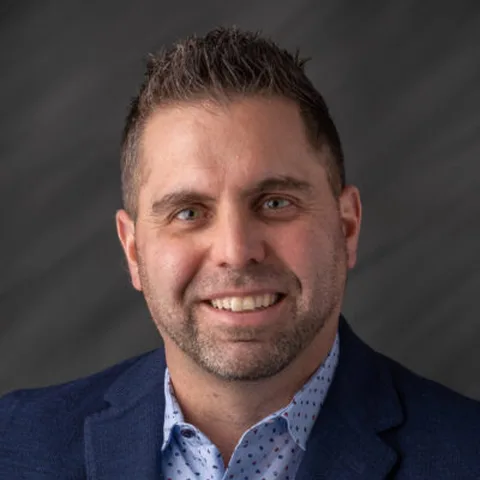
Dr. Dan Moyse, MD, DABA, DABA-PM · Pain Medicine Physician, Pain Specialists of Iowa
Physical therapist and The Fit Moines Podcast host Doc Bryan Ladd talks with pain physician Dr. Dan Moyse about why chronic pain is difficult to treat, how pain is assessed, and how individualized, multidisciplinary care can help patients maintain function. They also discuss the limits of imaging, surgery risks, opioids, physical therapy, and insurance barriers. Pain specialist Dr. Moyse and host Bryan discuss why chronic pain care should prioritize function, not just pain scores, and why injections, medication, movement, and mental-health support must be individualized. They also examine the practical barriers to coordinated care, access to treatment, and payment models that may influence pain-management decisions.
What you’ll learn
- Dr. Dan Moyse describes his path from Chicago Medical School and Duke anesthesia and pain training to practicing in Des Moines.
- Chronic pain care is centered on longitudinal relationships, function, and comprehensive alternatives rather than relying only on opioids.
- Aging, longer life expectancy, higher expectations for activity, and surgery-related risks contribute to the growing burden of chronic pain.
- Pain is subjective and shaped by genetics, environment, emotional state, and individual pain processing; MRI findings do not reliably match pain severity.
- Moyse outlines a practical assessment: determine acute versus chronic duration, localize the pain, characterize symptoms, and identify likely sources.
- Burning or tingling may suggest neuropathic pain, while deep, dull, or achy symptoms may point toward other causes; diagnosis requires context and examination.
- Physical therapy and other modalities can create an opportunity to restore movement and build strength, but treatment should fit the individual.
- Insurance requirements and limits can obstruct timely imaging, individualized care, and continued therapy.
- Injections can target a focal pain source, but clinicians should weigh risks, including steroid effects, bleeding, and infection, and first consider appropriate conservative care.
- The guest argues for measuring progress by what patients can do, such as walking around the mall or spending time with grandchildren, rather than relying on pain scores alone.
- Chronic pain often overlaps with depression and anxiety; more pain medication does not treat those conditions.
- Support at home, meaningful activity, distraction, and a coordinated care team can affect how patients manage chronic pain.
- Treatment plans should set realistic, individualized goals and explain that there is no universal magic pill, shot, or procedure.
- Many back-pain episodes improve over time; the conversation cautions against assuming an injection alone caused improvement.
- Insurance, specialist silos, geography, and transportation can prevent patients from accessing therapies that exist.
- The speakers discuss emerging payment models that may hold clinicians financially accountable for treatment outcomes.
- Movement, prevention, and community-based collaboration are presented as important parts of long-term pain care.
Takeaways
- “The thing that attracted me to pain is longitudinal relationships.”
- “Our job is to offer alternatives and really try to keep function.”
- “You need to be pro-patient.”
- “Pain is different and pain is variable.”
- “If you had the pain for 20 years, I’m talking to you different than you had it for three weeks.”
- “Imaging is not it does not correlate with pain, but it is ... a vital component that helps us diagnose and treat.”
- “Pain is a restorative process.”
- “I think finding ... a like-minded team ... is important to have options.”
- “I care about function.”
- “More pain medication doesn’t treat depression. More pain medication doesn’t treat anxiety.”
- “You gotta have a reason to get up every day and move.”
- “We gotta offer a plan.”
- “Everything is just it’s so variable and we need to make it so individualized.”
- “Did the shot do it, or was it just the duration?”
- “There’s no magic pill, there’s no magic shot.”
- “Our goal is to offer alternatives.”
- “The delivery is still the challenging part.”
- “My big thing is moving.”
Chapters
- 00:00 Dr. Dan Moyse’s path from Chicago and Duke to Des Moines
- 04:31 The growing challenge of chronic pain and limited medication options
- 09:36 How aging and higher activity expectations shape pain
- 14:20 How pain varies between people, beyond what scans show
- 20:25 Why pain severity and MRI findings do not always align
- 23:46 Physical therapy, insurance barriers, and multidisciplinary care
- 28:36 Using procedures to support movement and function
- 29:05 Why pain care works best with a support ecosystem
- 30:15 When injections fit, and why opioids aren’t first-line
- 31:12 Steroid benefits, side effects, and safety considerations
- 32:10 A vivid case for treating function, not pain scores
- 34:31 Why shots may not help widespread pain like fibromyalgia
- 35:39 The chronic pain, depression, and anxiety triangle
- 38:14 Coordinating mental-health care despite access barriers
- 40:09 Support, distraction, and the emotional context of pain
- 42:12 Realistic expectations and individualized treatment goals
- 47:13 Why back pain often improves with time and movement
- 50:01 Outcome-based payment, prevention, and better pain education
- 53:06 Alternatives to pills and the value of a trusted care network
- 54:27 The closing case for movement and team-based pain care
Put it in writing.
Five short questions. A real person calls you back, usually within two business hours, with times that fit your week.
The people who end up filling this out are rarely in the worst pain of their life. They’re just done working around it, done picking the errand that doesn’t require the stairs. If that’s the stage you’re at, this is the part where you stop researching and start.
Consider it filed.
A real person will call you back, usually within two business hours, with appointment times that fit your week. Keep your phone nearby.
Can’t wait? Call (515) 207-2450 ⟶Easy to find. Easy to park.
In the neighborhood, with parking by the door. Come see the place before you commit, if you like.
The clinic · Kaizen Health and Wellness
Get Directions ⟶Opens in Google Maps