


Kaizen Health and Wellness
Spotlight Series
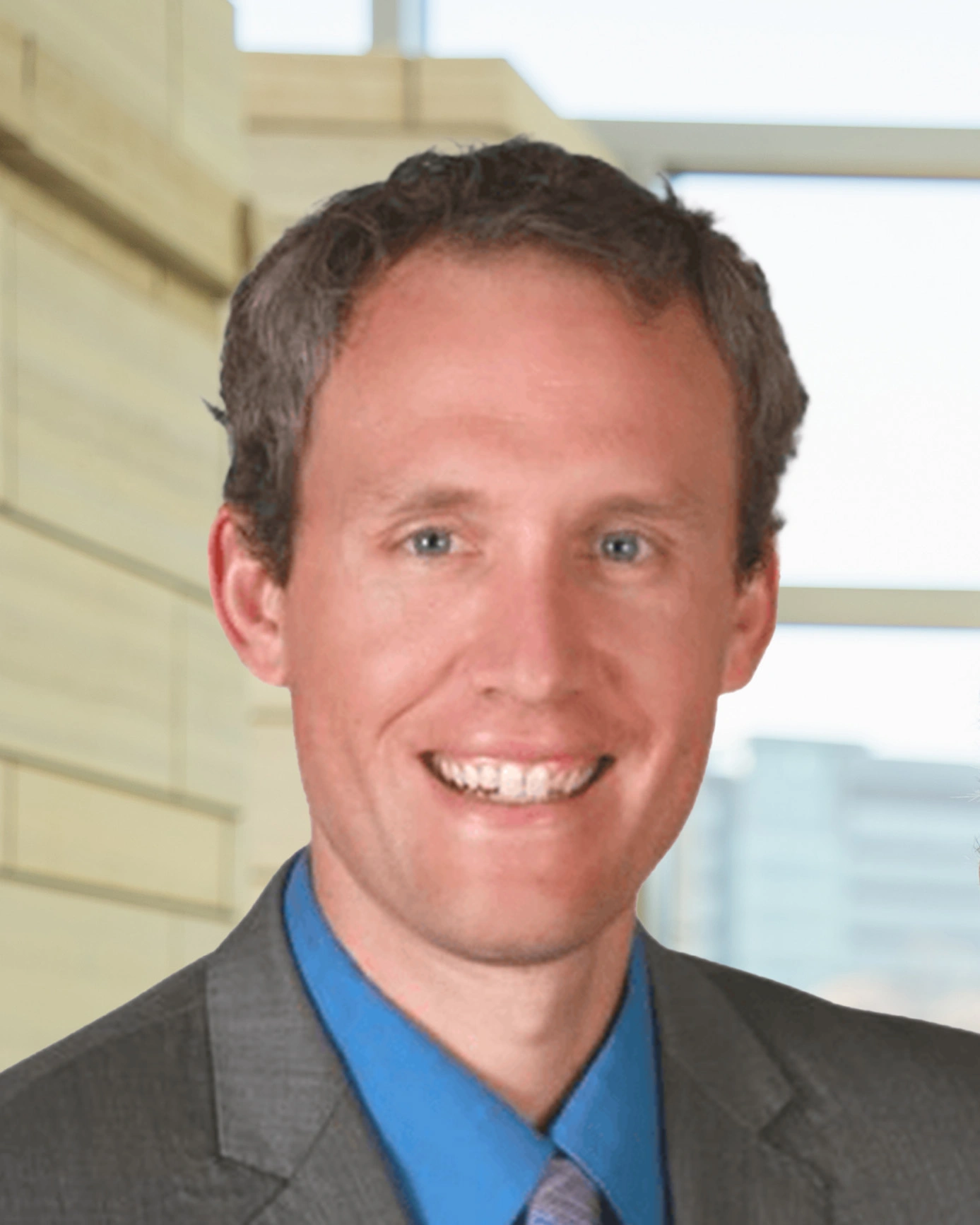
Spotlight Series Topic: Dr. Reynolds’ journey from pediatrics to sports medicine, explains the nuances of diagnosis and treatment of musculoskeletal injuries, and highlights the importance of integrated care, imaging, and patient access.
Guest Name: Dr. Eric Reynolds
Guest Credentials: MD
Discussion Details: In this comprehensive interview, Dr. Eric Reynolds from Capital Orthopedics shares his journey from pediatrics to sports medicine, explains the nuances of diagnosis and treatment of musculoskeletal injuries, and highlights the importance of integrated care, imaging, and patient access.
Benefit of Watching
- Pathway to sports medicine specialization
- Role of ultrasound and diagnostic imaging
- Use of injections and PRP in treatment
- Importance of communication and access in care
Address of guest’s business:
1345 SW Park Square Dr
Ste 200, Ankeny, IA 50023
Dr. Eric Reynolds: Absolutely. Happy to be here.
Dr. Bryan M. Ladd: Yeah, appreciate it. Let’s get started here. Let’s just have you explain a little bit about your background and where you come from and how you got into what you do now.
Dr. Eric Reynolds: Sure. Uh so I grew up in Coralville, Iowa. Graduated from high school at Iowa City West High. Did undergraduate and medical school at the University of Iowa. uh decided that I needed to spread my wings a little bit from the tiny five mile radius that I had lived in for the first 26 years of my life and did my medical training the first part of my residency actually in pediatrics down at the University of New Mexico in Albuquerque. Stayed down there a little bit longer doing some additional teaching as a chief resident and then went over to Cleveland, Ohio to do my sports medicine training. Um, I worked there with Kent State University, the Cleveland Browns, a bunch of high schools and kind of small colleges in the Cleveland metro and then moved to Des Moines about six, seven years ago at this point in 2019 and I initially started at Mercy doing kind of half and half pediatric urgent care and sports medicine and then really wanted to transition into sports medicine full-time. Uh, and so joined Capital Orthopedics almost three years ago to the day um here in March and have been here since then.
Dr. Bryan M. Ladd: Nice. Yeah. Yeah. So, we’ve both been in the metro since 2019 then. Interesting. Now, was you did pediatrics and then sports medicine? So, a little bit different from from what a lot of people do, I guess. Was pediatrics what you initially wanted to go into or
Dr. Eric Reynolds: Good question. Uh, I actually I knew I wanted to do sports medicine first. So, it’s a kind of a a complicated thing to try to describe like so when you go to undergraduate then you go to medical school and after medical school you go to residency. And so residency can range from three years like family medicine, pediatrics to seven to eight years depending on what kind of neurosurgeon you want to type uh you want to be and sometimes even up to 10 if you’re really looking for really super super specific types of things. Sports medicine is a fellowship. So, it’s something that you have to finish your residency training in some sort of what we call primary care specialty, which is pediatrics, family medicine, internal medicine, although that’s pretty uncommon, emergency department or ER medicine, and the other one is what they call physiatry or physical medicine and rehabilitation or PMR. So, those are kind of the five main kind of primary care routes in sports medicine. Then you have your more kind of what most people would refer to as traditional, which is orthopedic surgery, residency, and then a sports medicine fellowship. Those are the surgeons. That’s separate and we’ll talk about how we work together nicely, I’m sure, later in this conversation. But from me, I knew I wanted to do sports medicine. The bigger decision was, do I want to do family medicine to get there? Do I want to do pediatrics to get there? Do I want to do orthopedic surgery to get there? And I realized pretty quickly that I liked talking to people, which is why you’ll probably get some pretty loquacious answers today. And so that really isn’t doesn’t really work for being a surgeon when you’re here, there, boom, boom, and you’re spending half your time with patients who are unconscious on the operating table. So for me, I knew I wanted to be a primary care base and I just liked working with kids a lot more than I did adults. That’s really what it came down to. It was it was a pretty straightforward decision there. I just I didn’t like adults who complained a lot. And so I was like, well, if I’m going to go through training, I’m just going to do pediatrics cuz I enjoyed that a little more. In hindsight, you could argue that family medicine would be a little bit more applicable, especially to what I do daily now. I I see more adults. I enjoy seeing adults. I take care of adults. But back then I just, you know, did my time in the neonatal intensive care unit serve me for how I’m practicing today? Probably not. But uh I found that path to be the at the time the most tolerable knowing kind of what my my end goal was.
Dr. Bryan M. Ladd: Yeah. Interesting. Are there are there sports medicine I guess sports medicine physicians that have not done that fellowship? I would assume that most places want to hire someone that’s been through the fellowship and training, but is that a a requirement or
Dr. Eric Reynolds: Uh if you want to call, in my opinion, if you want to call yourself a sports medicine physician, it’s a requirement. Um that’s why I call myself a primary care sports medicine physician and then the usually obvious follow-up question is what the heck is that? Because it’s not something that you hear a whole lot about. Um but yeah, if you’re really calling yourself a physician of sports medicine, um then you need to have completed that additional fellowship training, additional board certification, uh that kind of stuff. To my knowledge, there’s only about four probably 14 to 15 of us in the state of Iowa who are primary care sports medicine physicians. I think there’s off the top of my head, you know, five to six of us here in Des Moines and then the rest are over at the University of Iowa. So, it’s it’s much more, you know, much less common than um going the orthopedic route. Now, there are plenty of family med docs who feel comfortable treating a variety of of sports injuries, but to really kind of get that title as a sports medicine physician or what in the kind of the medical parlance is CAQSM where essentially we take an additional certification of sports medicine, then you have to completed the fellowship and taken the exam.
Dr. Bryan M. Ladd: Sure. Sure. Yeah. And I guess we we have a lot of people too when you know when I’m sending a patient over to you, they always ask like is he going to do the surgery? Who’s going to who’s going to do the surgery?
Dr. Eric Reynolds: Yeah. My typical response is you don’t want me doing surgery. I’m going to make you worse than than what you are now. You let me in the operating room and usually it’s going to lead to a butchering situation. So yeah, I I I do not step foot in the O. No, I do a fair amount of procedures which again I’m sure we’ll talk about. I frequently have an ultrasound and a needle in my hand, but I’m not I’m not going in and and sewing anything back together unless you know I’m on a sideline and you happen to get a a cut across your cheek and I’ll do that. That’s
Dr. Bryan M. Ladd: Yeah. Well, this is a good segue. Why don’t we talk a little bit about uh the patients that you do see, typical injuries um that might come into your office, things like that?
Dr. Eric Reynolds: Yeah, I’d say I I see people ages 9 months to 95. I think that’s my current record for youngest patients I’ve seen in clinic to to oldest. I’d say the vast majority of patients I see I can qualify kind of into three buckets. One would be high schooler kind of overuse injuries. I see a fair amount of traumatic injuries, fractures, ACL tears, that kind of stuff. But in terms of people that make the random eye clinic, it’s usually stress fractures. It’s tendinitis, growth plate irritation in the pediatric population. You know, people that have kind of overuse injuries in kind of the middle school, high school, and sometimes even elementary school realm. The next bucket I would say are your people kind of like myself who are, you know, in their 20s, 30s, 40s and pretty active and they also tend to get kind of overuse injuries. And then the last bucket is people in their 60s and 70s with arthritis pain. And so that’d be the in terms of the injury standpoint and the patient population that I see that’s a good chunk of it. And then throw on top concussions, which is a whole other separate kind of podcast topic, but I I see a fair number of of concussions as well.
Dr. Bryan M. Ladd: Okay. Yeah. Tell us about, you know, if a patient’s coming in to see you, what can they expect from that visit? Um I mean, you talked about ultrasounds, injections, some other things. So just talk about a typical visit, what that looks like and then some of the services you can provide and then we can hop into imaging and referring to a surgeon as well I guess.
Dr. Eric Reynolds: Yeah. Um so the thing that I would say sets me apart from well a lot of doctors but especially surgeons is that new patients are going to see me for 30 minutes. So you’re going to come in, we’re going to have a legitimate conversation, not just point where it hurts, let me do an exam. All right, we’ll get an MRI, see you later. Like it is like all right, I’m going to get to know you. We’re going to get to know the activities you enjoy, how this pain is interrupting your life, is it causing you to not be able to play pickle ball this week. Is it limiting you from doing deadlifts at the gym and you really like doing deadlifts? Is it interrupting your sleep? You know, really trying to get to the bare kind of foundation of how is the pain or the issue you’re having impacting your day-to-day life? Essentially, what is making it so you sought care at a physical therapist office or you’re coming in here on your own or your primary care provider sent you here, whatever it may be. So really getting down to the nitty-gritty of of what that what that and so that can take time obviously and then we’ll do a really detailed exam. Um you know we’re going to go over everything kind of you know examine the joint in full. If I believe it is a bony problem or we’re worried we might have to get additional imaging. We have X-ray on site so we’ll get X-ray or if we’ve had pain for a long period of time we just sort of rule out some other stuff that would be happening underneath a surface there. We’ll get an X-ray. And then I do have an ultrasound in clinic. I have additional training in what we call diagnostic ultrasound and ultrasound guided injections. So let’s say it’s a you know kind of a case of what people would call tennis elbow or lateral epicondylosis. Um you know I can if I have clinical concern for a tear or the therapist who’s sending them to me like hey they’re pretty weak like I wonder if they have a pretty sizable tear I can put an ultrasound on there and pretty reliably diagnose kind of muscle injuries in that way. We can do the same with the rotator cuff. So sometimes can either save the need for an MRI and say hey like we don’t need to spend that time and money doing that because we can find out here today or can confirm that hey this is actually necessary like I’m seeing this and this is an indication that we might need something further you know for example like in a knee pain somebody might have what we call kind of a parameniscal cyst and so that can be a sign outwardly that they probably have a meniscus there I can really identify and characterize that that under ultrasound but I really won’t be able to see the meniscus just tear itself without an MRI. So that can be really like, yep, this is the findings we have. This supports the need for additional imaging. And then if people have had pain long enough and depending on our conversation, if you know they’ve done therapy for a while and they’ve kind of tried what we would kind of generally term conservative management and an injection is a good therapeutic option for them, we’ll do that at the first visit if we need to. So I just did a a radial tunnel injection this morning. Like we can do a wide variety of injections, especially with the use of ultrasound. like it really is a game changer in terms of accuracy of injections. Patient pain, we can say, “Oh, well, here’s a blood vessel or here’s a nerve that we want to avoid while we do this injection. I can kind of kind of take a little slightly different path.” Um, we can ensure again that the medicine is going to the right spot. They’ve done plenty of studies and ultrasound for example in a knee injection increases the accuracy about uh from 82 80%ish doing kind of landmark guided up to 95 to 99% with ultrasound. It just is a it’s a much more guaranteed kind of bang for your buck. You’re making sure that the therapy we’re delivering is is going to the right spot.
Dr. Bryan M. Ladd: Yeah. And in from past experience for me while I was in the Navy, one of our clinics shared space with a sports medicine physician. And so I got to see firsthand just how valuable having that ultrasound right there in the clinic was. Like you said, you know, what’s this what’s this Achilles look like under this ultrasound or the elbow? Like what do what do we really got going on here? Do we need to get that MRI or can we keep rehabbing it? And it’s so handy to have right at the bedside there.
Dr. Eric Reynolds: Yeah. Especially from a PT standpoint, like you can see like for an Achilles example, like you can see significant thickening, what we call neovascularity where you get a bunch of blood vessels and you’re like, whoa, this is, for lack of a better term, a really angry tendon. Yeah, we might have to pull back on what we’re doing from a rehab standpoint. Like, we might be overloading it at the first part and have to go back to a little bit more basic stuff. Same thing if we have like a, you know, a gluteus medius tear. So like that kind of pain on the outside part of your hip and you’re like, you know, they’re just really not responding like I would expect and they’re still having pain was very basic stuff. We can say, hey, well, yeah, it looks like this is maybe a little bit more severe than we otherwise initially expected. And so you kind of have to take a couple steps back in and from a therapy standpoint, but conversely, you can also take a look and say, “Hey, this actually looks really good. like I think we can continue to load this um and maybe be a little bit more aggressive in our loading and sometimes that’s where negative imaging even an MRI or an ultrasound can be helped and say hey this this actually looks fine like we we can have a little bit more license to push through some pain and some discomfort which which can be equally valuable for patients and therapists.
Dr. Bryan M. Ladd: Yeah, for sure. Yep. Um, I always tell people like the special tests, those tests we do in clinic here, they’re only so good, right? We can cluster as many of them together as we want, but sometimes it just you need that imaging. And so be able to get an ultrasound and say, “Yeah, we need to get this this MRI. Let’s check it out a little bit further.” It’s very valuable.
Dr. Eric Reynolds: Yeah, the shoulder’s the classic examples. Um, for the listeners, there’s things called what we call sensitivity and specificity, which is pretty much just like how reliable is this exam maneuver or this test, this blood test, whatever it may be, at kind of ruling out the stuff we want to rule out or assessing that for positive things, the things we want to rule in. Uh, the shoulder exam is is a textbook case like you’re having nothing over above like 60 to 70%. Uh, and so that’s why every single part of the shoulder has three different exam maneuvers, right? And that’s why the the shoulder exam is it takes five times longer than an elbow exam is because it just there’s so much overlapping structures that you can’t really isolate things. Well, on ultrasound you can isolate things. You can you can find it and like here’s the tendon and the best part ultrasound has above a MRI for example. MRI is a static exam. You are stuck in that darn tube and you are multiple times told not to move. With ultrasound, we’re going to like, hey, you’ve got a weird pop in that shoulder. Can you I’m going to put my probe on here on their shoulder and let’s recreate that pop and see if we can identify what the popping has come from. Found a case just a couple weeks ago where somebody essentially had a little extra kind of tissue over their subacromial bursa and you could see it as they kind of brought their shoulder internal rotation and kind of into flexion. They could you could get that to pop kind of out from underneath the acromion. Now could I necessarily do anything to fix that at the time of our appointment? No. But at least we could finally figure out like, hey, this is what it is. It’s actually probably not a big deal long term is really is not really having any pain. It was more of a painless kind of curiosity for this patient. And so that’s where the the dynamic modality especially can be helpful. Back to our tennis elbow or kind of lateral epicondylosis example, like I can have them flex and extend their wrist with the ultrasound probe on there to see like how is this tendon fluidly moving? You know, tendons, how they look in a static position is not nearly as important as how they function dynamically. Right.
Dr. Bryan M. Ladd: Yep.
Dr. Eric Reynolds: And so having that capability during an ultrasound to see like all right this is how it looks with your knee flexed. How does it look with it extended? Does it look different? Do we have any sort of overlap or kind of tendon uh in you know kind of irregularities that maybe more demonstrate themselves at a particular kind of plane of motion. So just again can can give us a lot more information.
Dr. Bryan M. Ladd: Yep. Yep. Yeah. We we always tell people that as well. You know, the MRI is super valuable, but that’s a static image at one point in time in your life. You know, for a herniated disc or something in your back, that’s that changes over time or it can. And so, we hope it does usually, right? Yeah. We hope that resorbs, it comes back, it resolves, your pain goes down, but it’s it’s a picture in time, and that’s that’s kind of all it tells us. So, like you said, that’s super valuable to have the ability just to to move that joint around and and see what’s really going on there.
Dr. Eric Reynolds: Yeah. And again, it it just it’s um it it just adds a different element that X-ray and MRI don’t have, right? And so you can use it to kind of support that like, oh, there’s a little bit of swelling around this bone. That’s unusual that even though the X-ray looks fine, like this might be a stress fracture or stress injury and just because of what you can kind of pick up on ultrasound. Yeah. And and again, from an injection standpoint, again, I I can’t tell you the last time I did an injection without one just because it just it increases our chances of hitting the target.
Dr. Bryan M. Ladd: Yeah. Let’s talk about the injections a little bit because I think that comes up a lot here. Sometimes, at least in our world, they kind of get a bad rap. Is it is this just throwing a band-aid on it? Is this going to solve the problem? There’s a questions people ask us all the time. And so, I’ve got my answer, but I want to hear yours.
Dr. Eric Reynolds: Yeah. Uh, as with all things, uh, the easy answer is it depends. Um, right. There there are sometimes it’s it’s a flatout band-aid. That’s that’s not incorrect. I would say kind of a a classic example of that might be like a a steroid injection and an arthritic knee. Like you’re not you’re not fixing anything. There’s a chance you might be making something worse, but it is probably going to make your pain better. And so that’s where you have that’s why again I have these 30-minute appointments cuz that that has a lot of nuance to it. Okay. If you’re a 52-year-old with knee arthritis and I do a steroid injection and I’m going to accelerate cartilage loss in your knee, that’s probably not a good thing. Uh you have hopefully a relatively long life to live still. knee replacements have a shelf life, you know, 15, 20, 25 years. Uh, and if you’re 52 and otherwise healthy, and let’s say you just had a, you know, two ACL tears while you were in college and that’s why you have arthritis at 52, like that’s a very different conversation than somebody who’s 72, otherwise healthy, and just kind of has some arthritis due to maybe a little bit of poor metabolic health or a lot of its genetics. Arthritis again is a whole separate conversation in itself. But in that person, we’re going to have I don’t feel nearly as I wouldn’t have nearly as much trepidation about doing a steroid injection with the understanding that hey, you might be working towards a knee replacement and like, yeah, it’s a band-aid, but it’s going to give you an extra couple years of life here. You got a trip to Florida coming up and you want to have a little less pain as you’re walking on the beach. Like, hey, by all means, I get it. Let’s do it. So, that’s where that type of thing can be helpful for things like, you know, rotator cuff tendinopathy or what people refer to as like shoulder impingement. like there and a lot of other conditions like that. I kind of view an injection as an adjunct to physical therapy. Like there’s really only one condition that I can think of where like an injection should be first line and is really all you need without therapy and that’s De Quervain’s tenosynovitis or kind of the new condition moms get with like newborn babies and the kind of thumb side of their wrist. To that we know that therapy studies show it’s not super helpful. Injections usually are pretty effective. That’s all you need. Otherwise like people like I’m not a PT person. and I just need an injection in my shoulder. Like studies time and time and time again will tell you that therapy is the answer for long-term pain relief. Injections are going to give you 4 8 12 weeks depending on who you are. If you’re lucky, sometimes longer, but it’s not going to fix the underlying problem. It’s just going to make your pain better. So, how I describe it to patients is, hey, we’re going to make your pain lower. We’re going to make it so you can sleep. But that way you can attack your rehab with a little bit more vigor, with a little bit more gusto, and really work on the strengthening component of the muscles that they need to get better. Because I’m sure you guys have seen like you’re trying to do super basic band exercises and they’re just limited and it’s uncomfortable and painful and you’re just like, man, I can’t really do much if you physically as a patient can’t do much. And that’s where an injection sample that I consider just kind of a push in the right direction. But it’s not just a pu, you know, an injection like, “All right, you don’t need to go back and see Brian, you’re good. see you later. Like it’s all right, now you’ll you’ll be able to do more at therapy. You’re going to accomplish more and that’s going to be our more long-term solution, right?
Dr. Bryan M. Ladd: Yep. That’s kind of how we explain it as well. It just kind of creates that window of opportunity to where you actually feel good. You, like you said, you can get some sleep, you can rest up, your body can heal itself, but also your your pain has gone down. So, we can actually go out to the gym and get into some of the work that we actually need to do to help progress this. And so sometimes without that injection, like you said, it’s just can’t hardly get anything done because it’s so painful. And so, and the sleep is a huge component. You know, you’ve got quite a few kids. I’ve got quite a few kids. Like we know we know what life is like with without sleep or with little sleep, right?
Dr. Eric Reynolds: There’s really good studies. I think one just came out honestly in the last couple weeks that showed that if you’re really getting less than six hours of sleep, like I don’t want to say exercise is pointless, but you’re really not getting a whole lot of benefit with it because that’s when you recover, right? like exercises, anything you’re doing from a running standpoint, a lifting standpoint, like what you’re trying to do is introduce microscopic tissue injury, and then your body goes crap. Well, I need to heal this stronger so that that particular load or amount of exercise doesn’t cause that injury again. And then that healing happens mostly with appropriate nutrition and also with sleep. And so if your pain is bad enough that it’s interrupting your quality of sleep, you’re just your ability to heal and respond to even the therapy that you’re doing or the home exercises that you’re doing is just so much less. And so if you’re if you’re not sleeping well, your chances of of getting better with rehab is just it’s just not as high as people who are getting a good night’s sleep and and pain is a big part of that.
Dr. Bryan M. Ladd: Yep. Yep. And it’s not just the athletes either. I I had a patient just yesterday. She’s kind of been through the ringer. Three different total hips on the same hip. Yeah. It’s it’s a mess. But one of the things we got to talking about during her session yesterday was was sleep first off, but then she’s worried about being too sore. So, it’s like, okay, well, what’s your protein intake? Let’s talk about that. Let’s get some quality protein in there. We talked about creatine. How can that be helpful with her recovery as well? So, kind of all the hydration, we talked hydration, electrolytes, things like that, but all those kind of mixed together along with the exercise to help strengthen her up and get her moving. There’s a lot that goes into it. And she’s, like I said, she’s not an athlete.
Dr. Eric Reynolds: Yeah, there’s uh I mean I it’s very often that I am seeing patients kind of in isolation and like I’m the only person kind of responsible for their care, right? My wife who’s also a physician just jokes that 90% of the time all I do is prescribe physical therapy and ibuprofen and uh she’s not she’s not wrong probably but uh you know again there’s very few conditions in my world and overuse injuries even acute injuries that are that are that are going to you know get better by doing nothing. And so, you know, a physical therapist, having good communication with your physical therapist is important. I’m sure you can attest to that. Like, you know, I have plenty of patients that come in and and thankfully over the years of working here, I’ve just been able to build a good essentially network of phone numbers of of a lot of the common therapists that my patients will see. And so, it’s just much easier to be like, hey, this is what I’m seeing on exam. This is what I’m seeing on everything. This is my plan of action. Here’s what I would kind of clue in on on therapy. And go that direction, right? And for your nutrition point, like, hey, like you’re a serious athlete. Like this is your second stress injury. Like we kind of take a look at this nutrition stuff. Like here’s a name of a sports nutritionist I like to use. Or sometimes it’s athletes coming back from a bad injury and they just can’t quite get over the hump mentally and like, hey, here’s a few sports psychologists in town. Why don’t you use them? Like, right, really is a team effort. Yeah. And so at least for people that really want to kind of put the full court press on their on their on their healing potential or their rehab potential, like we can definitely bring in a lot of people into the circle to help. Now, sometimes it’s just me and a physical therapist. That’s all we need. But for some of those patients that are a little more stuck, have a little bit more serious pathology, or are a little higher level athlete, then a lot of times you’re going to have quite a few chefs in the kitchen. And and that’s okay as long as those chefs know how to communicate and work together.
Dr. Bryan M. Ladd: Yep. Yep. That communication piece is huge. And I, you know, I I tell people too when they’re in here and we’re looking at them, it’s like, “Yeah, I think you need some imaging.” The state of Iowa recently changed where physical therapists can order imaging. We can order X-rays, MRIs. And that’s something I did when I was in the Navy. I have no problem doing that. But I always tell people or or oftentimes tell people that it’s good to loop in, especially a physician, especially if they don’t have a primary care, but just to get another set of eyes on things, and then you can order the imaging if you deem that’s appropriate. But I think it’s just helpful to get someone else in the loop. You’ve got a different skill set than I have, and so it just to be able to manage the case a little bit better. I think it’s so helpful to have a sports medicine physician on board to help out with all that.
Dr. Eric Reynolds: No, for sure. it is, you know, that that change passed recently. I think I think it’s helpful for um you know, especially in smaller towns where you may not have access and it’s just kind of, hey, there’s three primary care docs and it takes a month to get in and I have open access, which is a great thing for physical therapists here in the state of Iowa and I can just go see a PT without a physician giving a prescription. Like there might be things you want imaging from quickly and that’s better. here in a a large metro area like Des Moines, I would say that the the indications for a therapist ordering imaging I would say are a lot less just because again we have so many available resources around.
Dr. Bryan M. Ladd: Yep.
Dr. Eric Reynolds: How I phrase it to patients is is you know I pride myself on being a good diagnostician. You know I am going to find the problem, find the source of your pain. We’re going to go accom you know history like oh you had an acute injury like let me see the video of it. Why don’t you pull up your high school tape? Let’s let’s break this down. like, you know, do that. You know, we’re going to do a a detailed exam. We’re going to get X-ray, MRI, ultrasound, whatever, because as a therapist, you guys are the ones treating them. And I tell people all the time, like, I’m very rarely going to really do it. I’m not going to lay my hands on you and magically you’re going to get better. Like, it’s it’s really physical therapy. You guys are the people who do the treatment. But it’s a lot easier to come up with a treatment plan when you have an accurate diagnosis and you know kind of what to hone in on. Like, okay, it’s this particular muscle. I’m going to kind of ignore the rest of it and we’re going to go there. or like people who have hip and back pain are famous for kind of crossing over and it’s like all right what’s our what’s our our pain generator here I have pain in my butt and then it kind of maybe comes around in my groin and I have pain shooting down my leg like that can be back pain that can be hip pain that can be nerve pain like there’s a bunch of different options and so really getting to see somebody who can whittle through and step by step kind of have a systematic approach to really finding the true pain generator to then help you do rehab because sure you guys as therapists are going to have crossover on back and hip pain, but hip bridges and clamshells are going to be a heck of a lot more useful for hip pathology than they are discogenic pathology. And so, uh, it it’s there like doing a diagnostic injection. Like sometimes we just need to put a little numbing medicine into a spot and see if it helps, right? And that’s sometimes that’s what it comes down to. Y and and thankfully with ultrasound, we can do that. Like, hey, I got a pain kind of in my in my glute muscle here and like, okay, like let’s go under ultrasound. You point where it bothers you. I’ll place a little skin marker there. We’ll go under ultrasound, we’ll place a little bit of lidocaine there, we’ll have you jump around in clinic or go walk up and down the steps and your pain’s gone like, “Okay, we found the issue.”
Dr. Bryan M. Ladd: Yep. Yep.
Dr. Eric Reynolds: And so it’s those types of diagnostic cases are some of my favorites just because the the interplay between our our professions is so much better. They’re like, “Hey, I’m worried about this.” Like, all right, you’re coming. We do an evaluation like, “Okay, I start to have really bad hip pain when I’m doing my eighth rep of a deadlift at the gym.” And it’s like, “All right, well, you’re going to come back next Monday morning because you’re off on Mondays. I’m going to do an injection. You’re going to go for my clinic straight to the gym and we’re gonna we’re going to do it that way. Uh and again, that that’s so much nicer than you guys getting X-rays and being like, radiology report says this, and it’s, you know, I I disagree with radiologists occasionally. Not not often, I would say. I’m I’m nicer to them than my surgical colleagues, but we have a huge advantage for us in that I I can see the patient. I can examine the patient. And so, you know, I I have patients that like, oh, the radiology, the finding, the MRI says this. and it’s like, well, it’s not at all really where your pain is located. So, I I think that’s a red herring. And so, some of that imaging is I don’t want to say worthless, but it it doesn’t give us the answers we’re we’re looking for. And and not to get too long-winded, but there’s again a recent study that came out in the Journal of American Medical Association that essentially had incidental rotator cuff findings. I’m sure you saw this the last couple months, and pretty much once you hit like 51 to 55 years old, it’s almost 100% guaranteed you’re going to have an abnormality on your shoulder MRI. Uh, and so at that point, like what use does getting an MRI really do if it’s going to show something wrong? Like that’s where again we put our history together. What movement patterns tend to bother you the most? That’s where diagnostic injections are going to be more helpful rather than seeing a, you know, a gung-ho surgeon who sees a partial thickness rotator cuff tear and is going to want to go in and repair it. That might that might be end of what you need, but I can tell you over 50% of people your age have partial thickness rotator cuff tears and a lot of them don’t have pain. So, you know, let’s really try to figure out what that what that pain generator is. So, that’s where interpreting that imaging is where I think I don’t want to, you know, stand on a pedestal and say, “Oh, we’re better than therapists.” But like that’s where our interpretation and knowledge and things can can really help to kind of get through the weeds of some of that that those imaging questions.
Dr. Bryan M. Ladd: Yeah. No, I I agree completely with that. And I kind of laughed at that, too, because my time in the Navy, I spent a lot of time over in the orthopedics office and just listening to them talk and going through cases and whatnot. And I can’t tell you how many times that the radiologist would say one thing and the surgeons would sit there and say no that you know that doesn’t matter but look at this here and so just kind of funny like yeah they’re friendly
Dr. Eric Reynolds: I have all their phone numbers I can call them but it’s it’s usually just like hey this is what I’m seeing in clinic and and the issue is thanks to a lot of our medical record system and here in Des Moines it’s pretty unique and I won’t share too many frustrations but it’s just a it’s a decentralized medical system right like you have for sure kind of three main medical groups and one group has this specialty another group has this So just the communication between large medical groups or even small kind of private practices like mine, like it’s hard. And so like you’ll you’ll tell your medical assistant like I’m worried about a tear in this muscle and then like you see the indication that the radiologist sees when they’re reviewing the study and it says shoulder pain and you’re okay. Okay. Well, you’re not we’re not giving the radiologist the helpful information of like the very specific finding I’m looking for. And so that’s when I’ll pick up the phone and be like, hey, this is why I got this. like let’s walk through this together and
Dr. Bryan M. Ladd: Sure.
Dr. Eric Reynolds: and see if we can come up with a a better kind of interpretation of what’s in front of us.
Dr. Bryan M. Ladd: Yeah. Yeah. To touch on one of your points as well, one of my favorite things about working with Capital Orthopedics is the communication piece. You know, if I send a person up to you, most of the time you’re texting me to tell me about the patient before I get the notes anyways, but usually it’s not long after we’ve talked that or we’ve touched base that the notes are already faxed over. We have everything. There there’s been so many times where, you know, a patient will walk in, they’re like, “Hey, uh, Dr. Reynolds said this.” And I’m like, “I I know. I have everything already.” Yep. That’s that’s great. But it the communication is so so nice cuz it’s it’s like it’s just immediate. And it I can tell you it’s not like that everywhere.
Dr. Eric Reynolds: Yeah. I mean, it’s I’d say that’s one thing I really pride myself on. And I’d violate HIPAA if I showed it up, but like every single patient I see, like I’ll write usually the athletic trainer or the physical therapist just kind of in the top left corner. So like before I’m done with that that note that encounter like I know like ah I got to text Brian about this or like cuz it might be between patients I’m not going to have time to fire off a you know two-minute voice message or whatever it may be based on detailed ultrasound findings but I just know by the end of the day like hey before this patient goes and sees Brian for follow-up in two days like I need to make sure he knows what what I saw here. Uh again, just because it makes your job a whole lot easier, right? Especially like to go back to the injection stuff when we’re talking plus or minuses of injections. Like there’s a lot of times I’ll be like, “Hey, let’s let’s hold off for now. We have a little bit more information than what you came into the office with as to what we think the problem is. Let’s go back to therapy. Let’s give it another four weeks like where we now have a little bit more of a a detailed kind of honed in plan. then you come back and see me after again more specialized rehab for a particular muscle or a particular motion whatever it may be and then if we’re not making the progress then we know we’re going to get an injection as opposed to you know I’m not going to name names but some other office and it’s just like no you’re fine go back to therapy like okay sure I’ll just continue beating my head into the wall for the next four weeks that sounds great you know and I think a lot of that uh uh the emphasis for me on that part is is really twofold one it just it helps the patients right like they know that their care team is communicating and not completely completely different silos and so they feel more taken care of and it it it increases the quality of care, no doubt. Um, and the other is my wife’s a primary care doc and I know how frustrating she how frustrated she can get when that happens to her. You know, they’ll send somebody to an orthopedic surgeon and they’ll be like, “Not a surgical problem.” And that’s essentially all the feedback she gets and she’s like, “Well, I still need help with this. Like, they’re not doing well and this is kind of out of my area of expertise. I don’t even know where to send them now.” And so, right, that kind of communication can be helpful in terms of doing that. And that’s one thing I pride myself on is just making sure people are in the loop. And if if I can’t help you, I’m I’ve usually been in this long enough and kind of know enough people that I can at least point you in the direction that somebody who can.
Dr. Bryan M. Ladd: Sure. Yeah. Having that network is super valuable as well. I want to talk about one other thing that we’ve kind of talked about a little bit already, but just access to care and you know, you mentioned rural areas and we don’t have to worry about that here in the metro, which is kind of nice, but one of the other things that I really like about Capital is how quickly I can get a patient in to see you. So, I know there’s different orthopedic urgent cares in the area, but you guys take walk-ins. I know you have scheduled appointments as well, but I I know I can get someone in get someone in really quick to see you. And I think patients just love that ability as well to be able to get into the physician and don’t have to wait weeks to do it.
Dr. Eric Reynolds: Yeah, it’s it’s absolutely a main point of kind of pride. Something we we really emphasize is just accessibility. You know, one of our one of my colleagues, Dr. Peterson, always likes to talk about the three A’s in terms of physician patient relationships. It’s, you know, ability, so essentially, are you a good doctor? Affability, you know, do are you a nice person? And then accessibility. And so we really try to prioritize all three. And for me, like again, like I know a lot of people who come into my clinic usually are are frustrated in some way, shape, and form. They’re not getting better with physical therapy. Maybe they have an acute injury. There’s a lot of uncertainty about their pain. Is it something you can work through? Is it something you can’t? And I try to remember that, you know, and so just saying like, “Yep, that’s all right. bring them on in. Like especially if it’s a walk-in and we’re already busy, I might be like, “Hey, you’re going to have to wait, you know, 30 40 minutes.” Like, “I’m sorry, but I I would happy to see you. I want to see you. I want to take care of you.” And if they’re like, “I don’t have that time to wait.” Like, “Okay, here there’s an 8:30 tomorrow morning. You know, how does that work for you?” Um, and so we really just do our best to make sure that there’s easy access. And again, what separates us from, you know, I would say most other orthopedic groups is just that when you’re when you’re going to the walk-in with us, you’re seeing a physician. Like it’s either myself or Dr. Winn over in our office in Clive as I’m up in our Ankeny office. you know, other urgent cares, you know, whether that be orthopedic or just your regular kind of uh kind of medical urgent cares, like a lot of times you’re seeing a PA or an NP and they absolutely have a role in in the medical system for sure. But I would say being like stupendous diagnosticians where they can take this huge block of information and try to whittle it down is to get an accurate diagnosis and treatment plan. Like that’s that’s why we go to longer training. Uh that’s really what it comes down to is we just I would expect me to do a better job at that than somebody who went to school for 25% of the time that I did. You know, are they helpful in OS? Absolutely. You know, the PAs in our office are great in terms of doing injections and post-op visits and that kind of stuff, but when you have somebody comes in is like I’ve had shoulder pain for 5 years. I’ve seen three people like no offense to the PAs, that’s probably not their their bread and butter as to what they’re going to do. And so that’s why access to physicians with us is same day. And that’s that’s that’s pretty unheard of regardless of specialty. And the best part about us is that we’re we’re small. We’re mobile. We have 10 physicians. I know all of them. I can call all of them if I have a question. We have an MRI in our office in Clive. Other orthopedic groups have 40 to 50 physicians. They have one MRI. We have 10 physicians. We have one MRI. Do the math there. We’re going to get you into additional imaging a lot faster. And then again with Dr. Winn and myself, we have ultrasound capabilities. Again, we’re the only ones that will have point of care ultrasound. Nowhere else in the metro will you’ll be able to walk in and get an ultrasound in the same day as your your your regular visit. And so that it is a point of pride for sure. And and especially now in 2026 and people are like, you know, I got three kids. I got soccer practice to get to tonight. I got this tomorrow. Like they don’t have time. And today’s the day where they have two hours like and we’ll make it happen.
Dr. Bryan M. Ladd: Yeah. And we’ve had it before, too. Usually it’s like Friday at like 5:30 or something. you know, we’ll get a a patient come in and it’s inevitably something that needs higher level of care and we’ve got to send them somewhere. So, we’ve we’ve had to send people to other urgent care type orthopedic groups and uh it’s hard because I I don’t know what they’re getting. I don’t know who they’re going to see. It’s like luck of the draw who you’re going to see. Do I send these notes over? Are you going to get it? I don’t I don’t know. Are you going to read them?
Dr. Eric Reynolds: Are you going to read them? Am I going to get any feedback back? Probably not. Yeah, it does make it make it challenging. So, and it is um you know there are some patients that I’m like you know I really wish you had called ahead you know they’ve had five surgeries and you’re just like I am not going to have time to review all that documentation before I see you today. Like that’s unfortunately you know it’s disrespectful to the people that are waiting after you. But like I can try to address what we have going on but for you it might be better off let’s get all your records let’s have you come back in a week and we can go from there. Whereas if people are just like, “Yeah, it’s a pretty basic shoulder pain, whatever it may be.” That’s where I really like, you know, have relationships with you guys where I can be like, “Hey, that was that was a perfect walk-in patient.” Or like they’ll give me a story and they’ll be like, “Is this somebody you want somebody to come up and see now or is this something that you want them to call ahead?” And I can I can kind of triage again based on the history, the amount of records we’re going to need. Like, yeah, that I’d like to review all that stuff first. Our visit’s going to be a little bit more worthwhile to the patient at that point if we’re able to schedule that a couple days down the line and and I’m able to review everything.
Dr. Bryan M. Ladd: Yeah. Yeah. Absolutely. So, let’s walk this down a little bit more. You know, a patient comes in, they’ve seen you, you’ve done your exam, uh maybe we’ve done an ultrasound, we’ve gotten the MRI. What happens after that MRI? You know, maybe there’s a rotator cuff tear. Where do they go from there?
Dr. Eric Reynolds: Uh we’re going to have a very detailed conversation. We’re going to say, hey, like this is, you know, this is the size of the tear. This is what studies show in terms of, you know, progression and what injections would be helpful. cuffs are particularly challenging. Uh just because what one tear might be painful for somebody is completely asymptomatic for another. Uh a lot of that’s going to be based on essentially how much PT have they done. You know, do I know the therapist? They’ve been at this for 2 months, 3 months and like they have done everything appropriate and they are still uncomfortable. you maybe tried an injection and it had you know 3 4 weeks of relief and you’re still like okay all right like you know then you’re getting into orthobiologics plate rich plasma like we’ll talk about the pros and cons of that and then a lot of times it’s just a you know like hey it’s worthwhile having a conversation with the surgeon like I sent enough people for rotator cuff repairs I can tell you kind of the benchmarks of okay you’re going to be in a sling for six weeks and then you’re going to get in this passive motion machine etc etc but sometimes it’s just nice to hear from the surgeon um and I always tell people like you know surgeons don’t wave gave a magical wand. They’re not going to convince you to get surgery just because you walk into their office. Like, view it as an educational visit. Just go understand what their repair would look like, what your recovery time would look like, how that’s going to impact any upcoming trips or family time or whatever it may be, and then you just have you have all the pieces of the puzzle in front of you, and then you can make the most educated decision. I think a lot of times in medicine, we we struggle either with either getting an accurate diagnosis or really kind of telling the patient what to do. Very rarely am I telling a patient what to do. I kind of always chuckle and feel slightly uncomfortable when they’re like, “Well, what would you do in my shoes?” And I’m like, “Yeah, like everybody’s pain thresholds are different. Everybody’s lifestyle is different. Like if I couldn’t use my non-dominant arm, like for some people, it’s not a big deal.” Like I got two kids that I still are pretty young that I got to pick up pretty regularly. And if I want to do anything with my dominant arm, I better be using that one to carry them. That would be a big deal for me, right? So, it’s a very individualized discussion there. And then that’s where my my relationship with our orthopedic or surgical colleagues is helpful because I can just shoot them a quick message and be like, “Hey, this patient is not set on surgery.” Like don’t come in and be like, “All right, okay. Looks like you’re getting surgery for that rotator cuff tear.” Like we can be a little bit more nuanced and say, “Hey, this they’re going to see them. They just want to hear about it.” You know, tell them what the typical process is. And then if they decide to get surgery, great. They’re in good hands. And if they decide, yeah, this isn’t for me. Maybe I want to talk about that PRP or shock wave or something else, then they’ll they’ll come back to me and we’ll have a a further discussion. But it is it is very nuanced and I wish I could give some sort of kind of part blanch advice but you know every everybody’s different. Everybody’s pain is different. Everybody’s kind of life goals are different. If you’re 65 and you’re just you know looking to you know watch some television and go for a two-mile walk every day and kind of be involved in your church. You know that’s different than a 65-year-old who takes care of their grandkids, you know, four days a week and as a golf trip plan to Scotland and whatever else. And so it is a very different discussion based on what our what our fitness goals are and what our quality of life is.
Dr. Bryan M. Ladd: Yeah. I’m glad you brought it up too because I wanted to ask, do you do PRP and and some of those B orthobiologics in in
Dr. Eric Reynolds: I do I do uh PRP or platelet-rich plasma?
Dr. Bryan M. Ladd: Yep.
Dr. Eric Reynolds: For the uninitiated, we take usually somewhere between 60 and 120 cc’s of blood just kind of like a what a venure vena puncture. So just like getting a lab draw at your primary care doc’s office. For reference, a donation of a unit of blood is 300 cc. So we’re not we’re not vampires. We’re not we’re not taking blood to the point that you’re not going to be able to, you know, go for a run tomorrow or whatever it is. But we do that. We spin down the blood to then essentially concentrate the platelets. So we get a little get rid of a lot of the red blood cells, a lot of the white blood cells. And we focus on the platelets. platelets are rich in cytokines and we call inflammatory growth factors and then inject that uh into usually my the main things main two things I do it for are arthritis and uh kind of tendinopathy or small rotator cuff tears small you know kind of tears in your common extensor tendon for kind of tennis elbow type of stuff so those are the main indications the the analogy I like to use with patients for that is it’s like taking fertilizer and weed killer and throwing it on a field here in Iowa. Good soil, right? Throw it on a good field, you’re going to get the right things to grow. It’s going to create a good environment for the right muscle cells, right cartilage cells, whatever that we need to grow. If I take a fertilizer and weed killer and throw it on a a rocky beach in in Massachusetts, like I’m wasting my fertilizer and weed killer. And so, you can have arthritis that’s so bad that PRP is a waste of your money. you can have a tendon tear that’s so bad that PRP is a waste of your money and and having the nuance there. I really pride myself on staying up to date on the on the data on this so that patients can have the most again educated opinion. I’m not going to tell them what to do. My goal is to just make them smarter uh and and give them kind of all the information I can for them to make their own decision. So for for us and if you want Brian you can tell me but like if I can go into detail on on kind of what we’re looking for in PRP and for patients it helps and doesn’t help but that’s that’s kind of the general gist.
Dr. Bryan M. Ladd: Yeah. No that’s that’s very helpful I think so. Awesome. Well Dr. Reynolds I know you need to get going here shortly. Is there anything that we haven’t talked about that you would like to talk about you want people to know?
Dr. Eric Reynolds: Yeah, I think one of the common questions is like, well, how do I know to come back to you? Or again, how do I how do I know when it’s time to see a doctor, right? Or when do I need to see a sports medicine doctor? Yeah. Or do I need a referral? Yeah. One Yeah, good question. The answer to that is no to see me. Uh you do not need a referral with very rare one insurance exception. But yeah, so you don’t need a referral. What I tell people is, you know, if if it is lessening your quality of sleep and keeping you from doing the activities you want to do, then I should be seeing you. If it’s like it’s one out of 10 pain, I can kind of work through it, not big deal. Then your hand on it well. You probably don’t need to see me. But if it’s keeping you from the things you enjoy, if it’s ruining your quality of sleep, if it’s going to take you two to three weeks to get into your primary care doc, again, primary care physicians are so overwhelmed and overburdened in medicine these days. They have so much to worry about. You’re going in there. All right, we need to check up on your blood pressure. We got to check on your high cholesterol. Okay, that thyroid number was, you know, off six months ago. We’re probably going to need to recheck that today. let’s let’s talk about your your sexual health, let’s talk about this, and then all of a sudden you’re like, “Oh, by the way, my shoulder hurts.” And they’re like, “Well, we had a 20-minute visit and we’re 19 minutes in.” Like, they’re just they’re not going to have time to do a thorough evaluation. So, every primary care physician’s level of comfort with dealing with that stuff is very different. But, you’re never wrong to come see me for that kind of stuff. I promise your your primary care doc is not going to be offended that you kind of bypass them to come in and see a specialist for your shoulder pain or your knee pain or whatever. Yeah. But that’s that’s kind of the general approach that I would take.
Dr. Bryan M. Ladd: Well, I was going to say too, kind of to your point earlier with with PAs, NPs, things like that. I’ve I’ve found that like primary care physicians are incredibly intelligent human beings and they know a lot, but to your point, like there’s so many different things that they have to worry about and they have such a short time to do it. And so oftentimes the the musculoskeletal issues kind of get pushed off to the side. Um, and they just don’t deal with that as much as someone like yourself. And so having an expert be able to look at your shoulder or your knee or your elbow, whatever it is, and be able to tell you exactly what is going on, it’s very helpful.
Dr. Eric Reynolds: Yeah. And I think two things there. One, like the musculoskeletal issue is not going to kill you, right? Like you got a bad heart, you got high cholesterol, like that can lead to serious life-altering consequences.
Dr. Bryan M. Ladd: Absolutely.
Dr. Eric Reynolds: So that should appropriately be worried about first in the primary care office. Absolutely. And then the other layer is, you know, we just have such nuance with therapy. You know, I think a lot of physicians just it’s so hard to stay, like you said, up to date on all this information. Like they’ll be like, you know, we’ll have a concussion patient. They’ll be like, “Oh, you need to stay out of school for 2 weeks.” And it’s like, “Well, actually, we try to get them back into school as soon as possible.” Like, “Hey, you have a you know, your shoulder hurts like uh you know, or let’s say you have knee pain in a 16-year-old.” And they’re like, “Well, you should probably rest it for two weeks.” Like, they’re in competitive soccer season. Like them sitting out then maybe they’re the starting center midfielder. Like that’s a huge deal to them. And so if we can have kind of a little more specialized nuance to like, hey, well, actually, you know, I think we’re just going to need to pull back on this particular part of practice, I think we’ll still be able to play this weekend. Like, yeah, you might have to get subbed out a little earlier, but we can work through that. You know, like cross country, it’s track season now. Like maybe you got a little bit of shin pain and they’re going to tell you to rest for three weeks. And you’re like, well, if I rest for three weeks, like there goes my first meet. There goes any hope of me qualifying for conferences. There goes hope of me qualifying for state. And so getting again truly to the true answer, the culprit, the faster we can do that, the better educated and smarter we can be about coming up with an appropriate plan of care.
Dr. Bryan M. Ladd: Yeah, absolutely. Well, Dr. Reynolds, um, if someone wants to learn more about you, if they want to make an appointment with you, how can they do so?
Dr. Eric Reynolds: Multiple different ways. You can find our office number 515-442-6767 and ask to see me. You can go to our website uh Capital Orthopedics and schedule an appointment online. I give quite a variety of community lectures. So, if you’re on Facebook and I’m giving a lecture at Mercy’s gym or whatever it may be, you can come find me in those types of things as well. But yeah, easiest way is to usually call or or schedule an appointment online or just walk into our clinic here in Ankeny in the district and come in and see me.
Dr. Bryan M. Ladd: Awesome. This has been absolutely amazing. I thank you so much for coming on today.
Dr. Eric Reynolds: Absolutely. Appreciate you having me.
Dr. Bryan M. Ladd: Yeah, thank you.